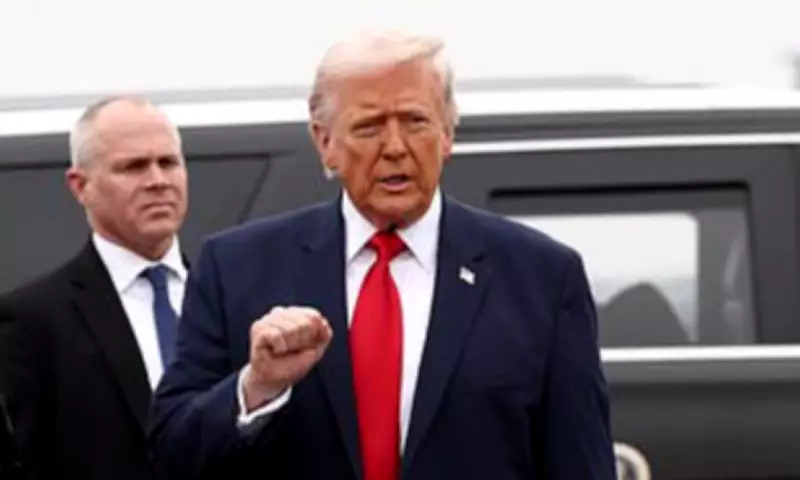
In a significant development for international diplomacy, former US President Donald Trump has directly communicated to UK Labour leader Keir Starmer that the United States does not need Britain to send aircraft carriers to the Middle East. This message underscores a potential recalibration of military alliances and strategic partnerships between the two nations.
Trump's Direct Communication with Starmer
According to sources familiar with the matter, Trump conveyed this stance during a recent discussion, emphasizing that the US military capabilities are sufficient to handle Middle Eastern security challenges without additional support from British naval forces. This move comes amid ongoing tensions in the region and reflects Trump's longstanding preference for a more unilateral approach to foreign policy.
Implications for US-UK Relations
The statement has raised questions about the future of the special relationship between the United States and the United Kingdom, particularly in terms of defense cooperation. Historically, Britain has played a key role in joint military operations, including deployments in the Middle East, but Trump's remarks suggest a possible shift towards reduced British involvement under certain circumstances.
Keir Starmer's Response
While Starmer has not publicly commented on the specifics of the conversation, insiders indicate that he is assessing the implications for Labour's foreign policy stance. As the leader of the opposition, Starmer faces the challenge of balancing traditional alliances with evolving global dynamics, especially if Trump returns to power in the upcoming US elections.
Broader Context of Middle East Strategy
This development occurs against a backdrop of complex geopolitical issues in the Middle East, including conflicts in Gaza and Yemen, as well as ongoing efforts to counter terrorism. The US has often relied on coalition forces, but Trump's message to Starmer hints at a desire for greater American autonomy in military decision-making, potentially affecting NATO and other international security frameworks.
Experts warn that such a stance could influence how other allies perceive their roles in global security initiatives.
Potential Impact on British Defense Policy
If Trump's view gains traction, it may prompt the UK government to reconsider its defense strategies and resource allocations. Britain's aircraft carriers, such as HMS Queen Elizabeth, have been central to its power projection capabilities, and a reduced role in US-led operations could lead to shifts in naval deployments and budget priorities.
Looking Ahead
As political landscapes evolve on both sides of the Atlantic, this episode highlights the fluid nature of international relations. Observers will be closely watching how Starmer and other UK leaders navigate these discussions, particularly in light of upcoming elections and ongoing security challenges worldwide.