Trump Issues Stark Warning Over Iran's Gas Field as Regional Attacks Intensify
Former US President Donald Trump has issued a severe threat to blow up Iran's most strategically vital gas facility, following a series of Iranian missile strikes across Gulf nations. This escalation comes after Tehran retaliated for Israeli attacks on its South Pars gas field, targeting energy sites in Qatar, Saudi Arabia, and the UAE.
Missile Strikes Cause Widespread Damage and Injuries
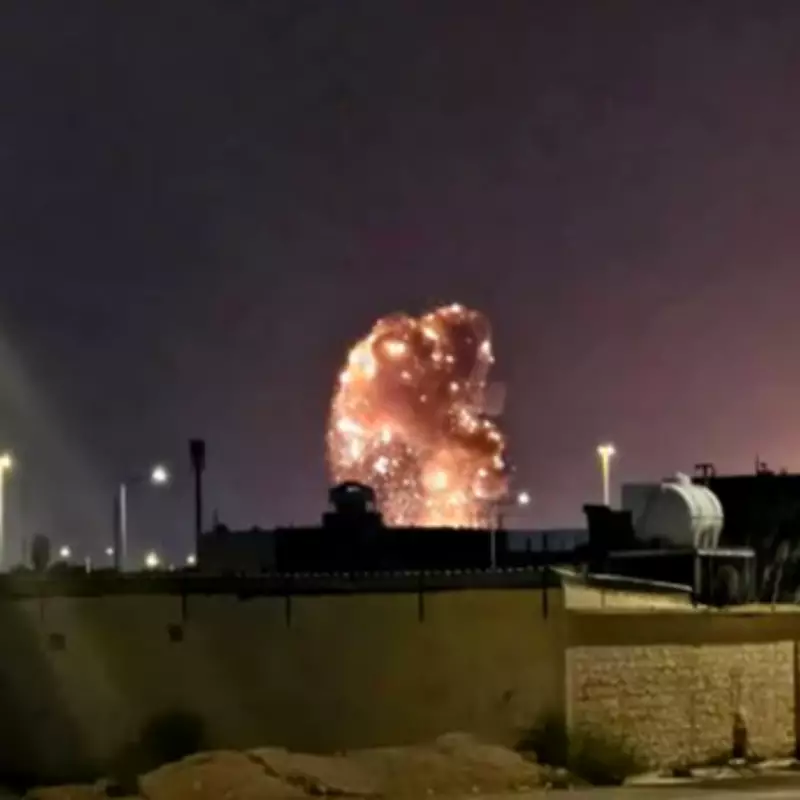
Iranian missiles have reportedly struck multiple locations in Riyadh, Saudi Arabia, with four individuals injured by falling shrapnel from intercepted projectiles. In Qatar, the Ras Laffan Industrial City, home to the world's largest liquefied natural gas (LNG) facility, suffered extensive damage, as confirmed by state energy company QatarEnergy. Explosions were also heard in Dubai's industrial area, though details remain unclear.
International Condemnation and Diplomatic Fallout
Qatar has condemned Iran's "brazen" attacks, ordering two Iranian diplomats to leave the country within 24 hours. Saudi Arabia's Foreign Minister, Prince Faisal bin Farhan, stated that "what little trust there was before has completely been shattered," vowing to use all political, economic, and diplomatic levers to halt the assaults. The UAE similarly denounced the strikes as a "dangerous escalation" threatening global energy security.

Trump's Controversial Stance and Global Reactions
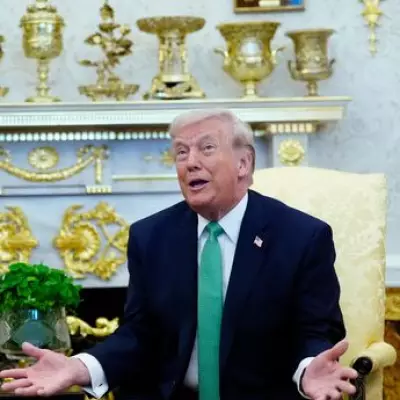
Trump publicly rebuked Israel for the initial strike on Iran's gas field, insisting the US "knew nothing" about the attack, but threatened massive retaliation if Iran continues its aggression. Meanwhile, French President Emmanuel Macron called for a moratorium on strikes targeting civilian infrastructure, and UK Energy Secretary Ed Miliband emphasized government efforts to protect households from price gouging amid the crisis.
Broader Implications for Energy Markets and Security
The conflict has disrupted maritime traffic through the Strait of Hormuz, with reports of a cargo ship hit by a projectile off the UAE coast. Global energy prices are rising, prompting concerns over long-term supply stability. The Pentagon has reportedly requested over $200 billion in additional funding to support operations in the region, highlighting the conflict's escalating financial and strategic stakes.