Donald Trump to Address Nation on Iran War, Claims Ceasefire Near
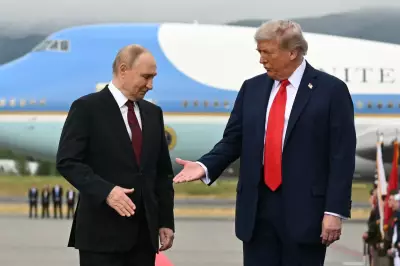
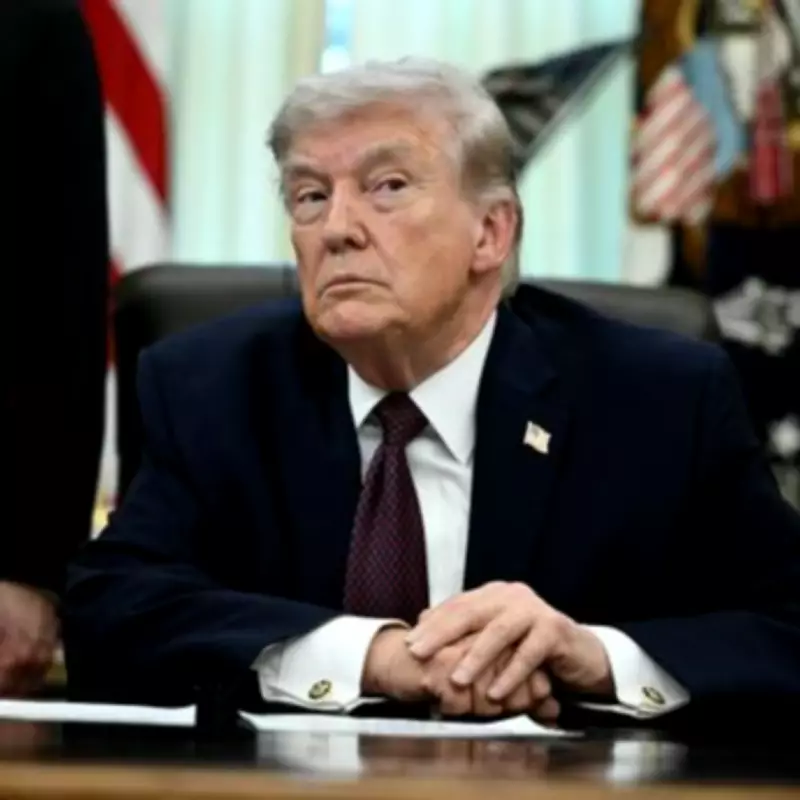
US President Donald Trump is scheduled to make a significant televised address to the nation from the White House at 9pm ET on Wednesday, April 1, 2026. The announcement, described as an "important update on Iran," is anticipated to focus on the winding down of Operation Epic Fury, a military campaign targeting Iran's ballistic missile capabilities, naval forces, and support for allied groups. Trump is expected to boast about American successes and suggest that the end of the conflict is imminent, with reports indicating he may claim the war could conclude within weeks.
White House and Iranian Responses
The White House has reiterated that Trump's objectives in the campaign against the Iranian regime remain "clear and unchanging," emphasizing a strategy to dismantle Iran's ability to threaten global security. However, Iran has firmly rejected claims of seeking a ceasefire, with its Foreign Ministry dismissing Trump's statements as "false and baseless." Iranian Supreme Leader Ayatollah Mojtaba Khamenei, in a message to Hezbollah, vowed continued support for anti-Israeli forces, underscoring the ongoing tensions.
Global Economic and Diplomatic Impact
The conflict has triggered widespread economic repercussions, with oil prices experiencing volatility. US stocks closed higher on Wednesday as Trump hinted at a quick withdrawal from Iran, while Brent crude oil prices dropped to $101.16 per barrel after briefly spiking to $119. In the UK, Chancellor Rachel Reeves expressed anger over Trump's decision to go to war without a clear plan, warning of potential inflation and economic hardship. She highlighted concerns over food inflation potentially exceeding 9% by the end of 2026 due to Middle East disruptions.

Diplomatic Strains and Protests
Trump's comments have strained international relations, particularly with the UK. He criticized Prime Minister Sir Keir Starmer, suggesting King Charles would have supported the war, and labeled NATO a "paper tiger," hinting at a possible US withdrawal from the alliance. In response, Starmer affirmed the UK's commitment to acting in its national interest and pursuing closer partnerships with the European Union to address the crisis. Meanwhile, protests erupted outside the US Embassy in London, with activists blaming Trump for rising energy prices and advocating for a shift to renewable energy sources.
Humanitarian and Regional Developments
The humanitarian toll of the war continues to mount, with approximately 180,000 Iranian families displaced, according to the International Organization for Migration. A Red Crescent volunteer was killed in an airstrike in Zanjan province, marking the third such casualty since the conflict began. Regionally, Israel claimed to have killed Hezbollah's Southern Front Commander in Lebanon, while a Pakistani oil tanker successfully transited the Strait of Hormuz, offering a glimmer of hope for eased tensions.
As the situation evolves, global leaders are closely monitoring developments, with efforts focused on diplomatic solutions to reopen the Strait of Hormuz and mitigate economic fallout. The international community remains on high alert, awaiting Trump's address for further clarity on the future of the Iran conflict.