Powerful Undersea Earthquake Strikes Indonesia, Triggering Tsunami Alert
A significant undersea earthquake with a magnitude of 7.4 has struck Indonesian waters, resulting in at least one confirmed fatality and the generation of small tsunami waves across the region. The seismic event occurred early on Thursday morning, causing widespread concern and prompting immediate disaster response efforts.
Details of the Seismic Event and Immediate Impact
The earthquake was centered in the Molucca Sea at a depth of 35 kilometers (approximately 22 miles), according to data from the U.S. Geological Survey. This powerful tremor set off tsunami waves that were recorded at multiple monitoring stations within half an hour of the initial quake.
Indonesia's Meteorology, Climatology and Geophysics Agency reported wave heights of 20 centimeters (8 inches) in Bitung and 30 centimeters (about a foot) in West Halmahera. Additionally, the Pacific Tsunami Warning Center in Honolulu noted waves of 5 centimeters (2 inches) in Davao, located in the southern Philippines, but confirmed there was no threat to more distant areas approximately three hours after the earthquake.

Casualties, Damage, and Regional Response
Indonesia's Search and Rescue Agency confirmed that a 70-year-old woman lost her life in North Sulawesi's Minahasa district, with another resident sustaining injuries. Initial damage assessments have revealed light to moderate structural impacts in several areas.
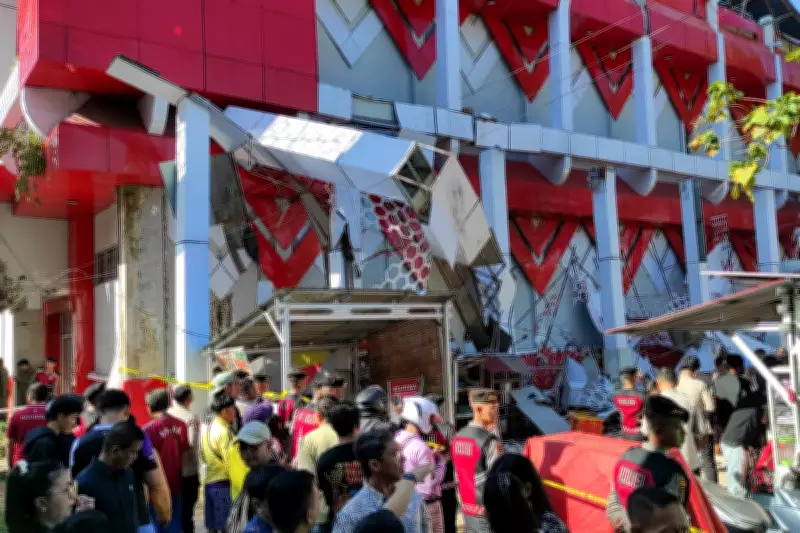
In Ternate city, local disaster officials reported that one church in the Batang Dua Island district was affected, and two houses suffered damage in South Ternate. Damage assessments in Bitung are currently ongoing, with authorities working diligently to evaluate the full extent of the impact.
Strong shaking lasting between 10 to 20 seconds was felt in Bitung, a coastal city in North Sulawesi province, as well as in surrounding areas and Ternate city in neighboring North Maluku province. Residents described the experience as terrifying, with many fleeing their homes in panic.
Official Warnings and Safety Measures
Disaster Management Agency spokesperson Abdul Muhari emphasized the need for continued caution, particularly for communities residing along coastal regions. "At this stage, caution is still required, particularly for communities living along the coast," Muhari stated in an official release. He strongly urged residents to avoid returning to beaches or coastal areas until authorities issue a formal all-clear notification.
The earthquake was followed by at least two aftershocks, both occurring offshore. Officials have confirmed that neither aftershock possessed tsunami potential, though they were perceptible in the affected regions.
Resident Accounts and Geological Context
Bitung resident Marten Mandagi shared his harrowing experience, stating, "We had just woken up and suddenly the earthquake hit... we all ran out of the house. The shaking was very strong." Mandagi noted that he had not observed any damage in his immediate vicinity but acknowledged that comprehensive checks were still underway.
Indonesia, an expansive archipelago nation with a population exceeding 280 million, is situated on major seismic fault lines. This geographical positioning makes the country particularly vulnerable to frequent earthquakes and volcanic eruptions, necessitating robust disaster preparedness and response systems.