Trump Insists Hormuz Blockade Will Continue Until Iran Accepts Peace Deal
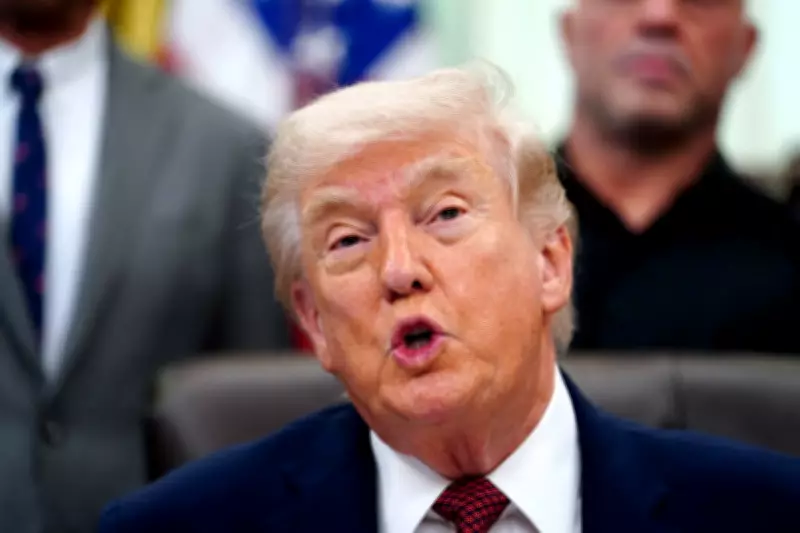
Former US President Donald Trump has declared that the American military blockade of the Strait of Hormuz will remain in effect until Iran consents to a comprehensive peace agreement, asserting that the shipping halt is "absolutely destroying Iran." In a phone interview with Bloomberg on Monday, Trump stated that the current ceasefire is set to expire on Wednesday evening local time, and he indicated it is "highly unlikely" he would extend it if Washington and Tehran fail to reach a deal by then.
Iranian Leadership Firmly Rejects Negotiations Under Duress
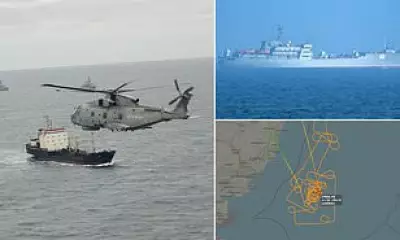
In response, Iranian parliamentary Speaker Mohammad Bagher Ghalibaf emphasized that Tehran will not engage in talks with the United States while facing threats. This stance underscores the deepening diplomatic impasse as both nations accuse each other of violating the fragile ceasefire. The US has already intercepted and seized an Iranian-flagged cargo vessel in the Gulf of Oman, an action Tehran has condemned as "piracy," further escalating tensions.
White House Escalates Rhetoric Against Domestic Media
White House Press Secretary Karoline Leavitt intensified the administration's criticism of US media outlets, suggesting they are "rooting for the Iranian regime over the American people." This comment followed Trump's own social media posts where he lambasted coverage from major newspapers, claiming they misrepresent the progress of the conflict. Trump reiterated his disdain for the Obama-era Iran Nuclear Deal, which he withdrew from in 2018, promising any new agreement would be "FAR BETTER."

Key Sticking Points and Diplomatic Efforts
With the ceasefire deadline looming, key obstacles prevent a breakthrough:
- Blockade Persistence: Trump insists the blockade of Iranian ports must stay until a deal is secured, while Iran demands its removal as a precondition.
- Retaliation Threats: Iran has vowed retaliation for the seizure of its ship, complicating diplomatic channels.
- Ceasefire Violations: Both sides allege breaches, with Iran citing "continued violations" as a barrier to talks.
Diplomatic efforts are underway, with US envoy JD Vance expected to travel to Pakistan for potential talks, though Iran has delayed confirming its attendance. International mediation, led by countries like the UK and France, seeks to leverage solidarity to restore freedom of navigation in the strait, a critical global oil route whose closure has driven energy prices higher.
Economic and Strategic Implications
The blockade's impact extends beyond military posturing, severely affecting global markets and regional stability. Iran's restriction of access to the Strait of Hormuz has compounded economic pressures, while Trump's strategy aims to force concessions through economic strain. As the situation develops, the world watches closely, with the potential for escalated conflict if diplomacy fails and the ceasefire collapses without an extension or agreement.