Trump's Adolescent Phase Intensifies With NATO Ultimatum Over Hormuz Crisis
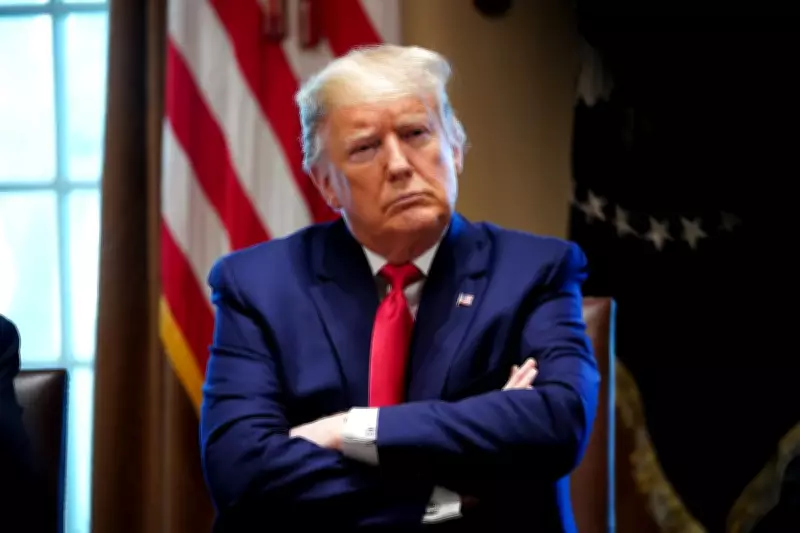
For a man approaching his eighth decade, Donald Trump continues to demonstrate remarkable immaturity in his presidential conduct. His recent warning that NATO faces a "very bad" future if member states refuse to assist in securing the Strait of Hormuz represents a troubling escalation from previous tantrums to what can only be described as petulant adolescent threats.
From Digital Tantrums to Geopolitical Blackmail
The American president appears to have progressed from his earlier cry-baby stage, characterized by digital screaming fits when thwarted, to a more dangerous teenage phase of dark intimidation. His unplanned and reckless approach to the Iranian conflict exemplifies this disturbing evolution. As commander-in-chief of a global superpower, Trump requires constant management by administration officials, military chiefs, and world leaders - a child-minding task that becomes critically important during the escalating Persian Gulf crisis.
This potential cataclysm stems directly from Trump's impulsive decision-making. Not long ago, he dismissed British concerns with personal attacks, sneering that Prime Minister Keir Starmer was "not Winston Churchill" when the UK leader refused participation in what appeared to be an illegal and poorly conceived military action. When Starmer later offered defensive assistance as regional oil facilities ignited, Trump spurned the gesture with characteristic petulance, declaring America no longer needed British carriers while threatening to remember this perceived betrayal.
The Desperate Appeal to Former Allies
Having insulted and ignored traditional partners, Trump now finds himself in need of assistance after failing to secure victory in his chosen conflict. His recent "hopeful" appeals to the United Kingdom, France, Japan, South Korea, and even China to deploy naval assets against the Iranian blockade reveal both desperation and strategic failure.
This request would be more reasonable if Iran had initiated unprovoked attacks on commercial shipping. However, the current blockade represents a direct consequence of Trump's own miscalculations. The president failed to consult with these nations before launching military actions, with Israel standing as the sole ally and principal protagonist in what has become an international disaster.
The Historical Irony of American DependenceThe situation presents a striking historical reversal, with the Old World now being asked to rescue the New - a complete inversion of the 1917 and 1941 dynamics that defined previous global conflicts. The very public nature of Trump's appeal indicates severe difficulties in the Persian Gulf, forcing even this notoriously vain leader to swallow his pride and request assistance.
Yet he makes this appeal with characteristic bad grace, snarling like a spoiled teenager about remembering who helped and who didn't. The implicit threat suggests future American refusal to honor NATO treaty obligations - a particularly rich accusation given Trump's own history of undermining the alliance.
The Credibility Crisis of American Leadership
European leaders could reasonably respond that Trump has already downgraded American commitment to NATO through his statements about "civilizational erasure" and his betrayal of Ukrainian interests. Recent memory includes threats against Greenland and Canada, punitive tariffs, and acquiescence to Russian expansionism - all contributing to America's current status as an "ally in name only."
Despite his adolescent tendency to blame others, responsibility for this emerging military disaster ultimately rests with the president. Military advisors likely warned about Israel's cynical use of American power against its mortal enemy, the risks of escalation, and the challenges of asymmetrical warfare exemplified by Iranian drone technology.
The Legal and Strategic QuandariesSomeone might even have mentioned the operation's questionable legality, given the absence of imminent threat to the United States. Iran had already agreed to renounce enriched uranium holdings in indirect talks, and Trump himself declared their nuclear program "obliterated." Even with international naval support, protecting Persian Gulf shipping indefinitely presents enormous challenges, particularly if Houthi rebels escalate hostilities in the Red Sea.
The most terrifying possibility remains that a furious Trump might consider nuclear options, following the sole historical precedent of aerial regime change from 1945. While unlikely due to catastrophic humanitarian consequences, this specter highlights the dangers of immature leadership during international crises.
Ultimately, Trump faces limited options beyond declaring victory and withdrawing - an outcome that would confirm his strategic failure while leaving allies to manage the consequences of his adolescent approach to global leadership.