Trump's Iran Strikes Betray 'Forever Wars' Pledge, Risking Presidency
Trump's Iran Strikes Betray 'Forever Wars' Pledge

Trump's Dramatic Reversal on Iran Conflict Risks His Presidency

President Donald Trump, who once campaigned on ending America's "forever wars," has now initiated military strikes against Iran, marking a profound transformation in his foreign policy approach. This shift is fueled by a combination of hubris following recent successes in Venezuela and a desperate bid to silence mounting domestic criticism.

From Anti-War Candidate to Military Hawk

The president's current actions stand in stark contrast to his previous positions. As a candidate, Trump frequently decried the hawkish foreign policies of his predecessors and even accused President Barack Obama of plotting war with Iran. A 2013 Trump tweet resurfaced recently, in which he scathingly predicted Obama "would attack Iran because of his inability to negotiate properly - not skilled!"

After entering office, Trump withdrew from the 2015 Iran nuclear deal (JCPOA) and denounced Iran for non-compliance. However, his administration continued diplomatic talks with Iranian representatives through Omani mediators until just before the strikes were launched.

The Strategy Behind the Strikes

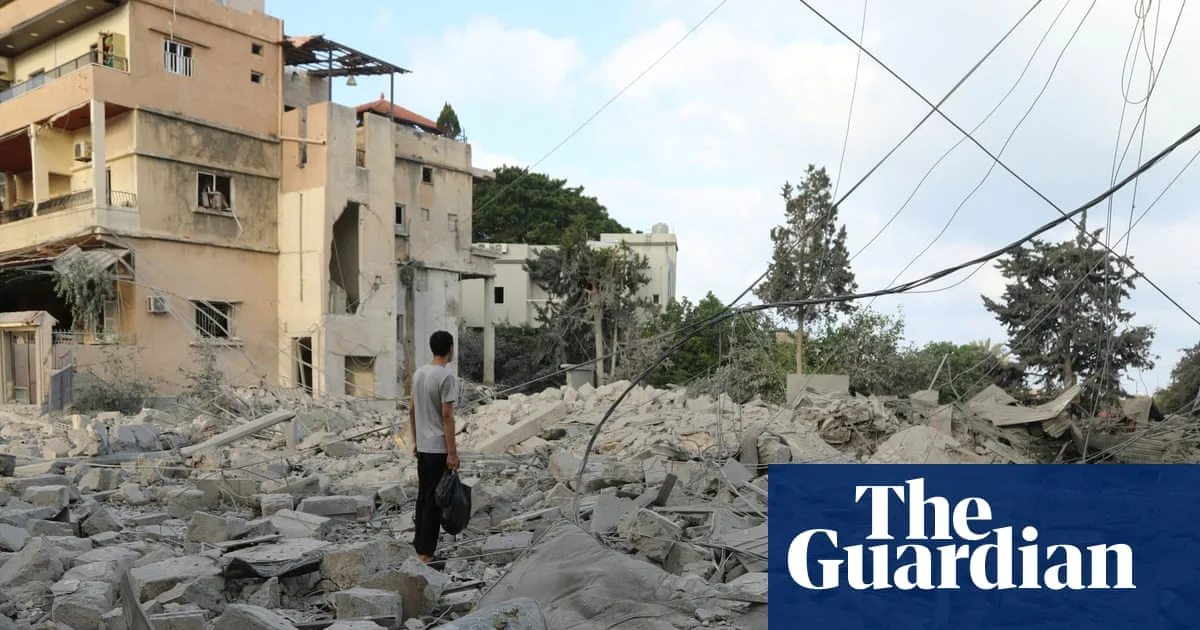
American and Israeli airstrikes targeting Iran's security services aim to cripple the regime's control mechanisms while neutralizing missile capabilities. Simultaneously, Trump has called on Iranian citizens to seize what he termed a "last opportunity" for liberation, echoing calls for internal uprising.

This dual approach reflects differing objectives between Washington and Jerusalem. While Trump addresses Iran as a unified nation, Israeli Prime Minister Netanyahu appeals to Iran's ethnic minorities, suggesting Israel seeks to fragment the country whereas Trump hopes to replace the current regime with US-friendly leadership, similar to the recent Venezuela operation.

Domestic Political Calculations

The president's decision carries significant political risk. Trump's MAGA base has traditionally opposed foreign military engagements, and the US military draws heavily from Trump strongholds for volunteers. Historical precedents offer little comfort: George H.W. Bush gained no electoral benefit from the 1991 Gulf War, and Republicans suffered politically from the prolonged Iraq conflict that began in 2003.

With mid-term elections approaching in November, Trump's domestic authority faces serious challenges. The ongoing Epstein scandal, with rumors about Trump's connections to the convicted pedophile, further threatens to undermine his political standing, especially if the conflict becomes protracted.

Timing Questions and Iranian Response

The timing of the intervention raises questions about its potential effectiveness. Just six weeks before the strikes, Trump promised help to Iranian protesters during widespread demonstrations. The regime's subsequent crackdown resulted in thousands of deaths, with estimates ranging from 6,000 to 30,000 casualties. With internet restrictions and severe suppression measures in place, the capacity for organized uprising appears significantly diminished.

Historical Parallels and Future Scenarios

Pentagon planners may be looking to the 1999 Kosovo War as a model rather than recent Middle Eastern conflicts. In that case, Serbian leader Slobodan Milosevic survived 78 days of NATO bombardment but fell to street protests fifteen months later. This suggests that even successful air campaigns may require extended timelines to achieve political objectives.

President Trump has staked his presidency on achieving a quick victory in Iran. The Iranian regime, meanwhile, hopes to inflict casualties on US forces to turn American public opinion against the conflict. The response of ordinary Iranians to the airstrikes will ultimately determine not only the fate of the Ayatollah's government but also the political future of the American president who initiated this dramatic military escalation.