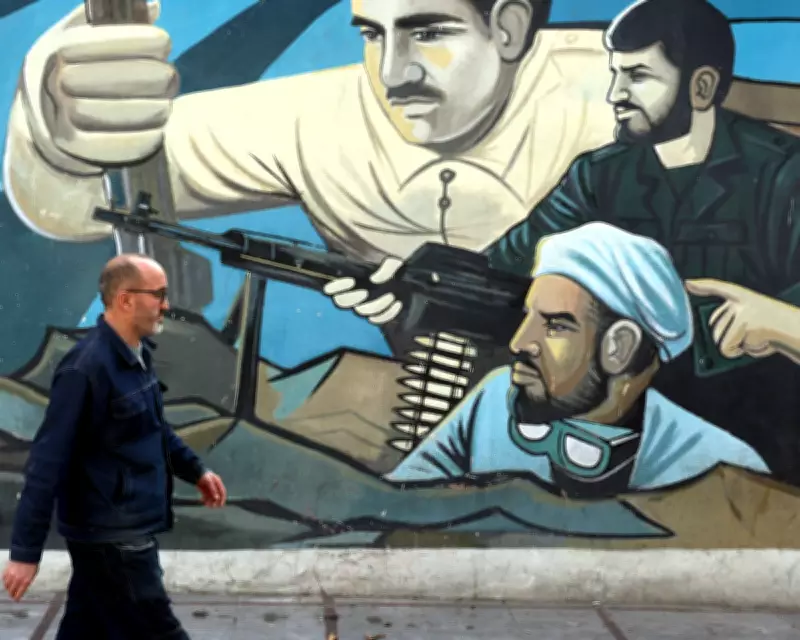
The stark brutality of Iran's ongoing crackdown against its own citizens is a profound humanitarian crisis. Despite authorities severing communications and attempting to erase evidence, the scale of violence is undeniable. A regime historically willing to spill blood has escalated its campaign with unprecedented ferocity, perceiving a fundamental threat from nationwide unrest that challenges its core existence and policies.
The Staggering Human Toll
While officials have acknowledged around 3,000 deaths, independent human rights organisations and networks of medical professionals estimate the true figure could be catastrophically higher, potentially reaching 30,000 fatalities. Reports detail security forces firing on civilians as they fled a fire and arresting doctors merely for treating the wounded. This vengeful state action has rightfully provoked global outrage.
Trump's Dangerous Rhetoric
Alongside condemnation of the Iranian regime, significant anger is directed at US President Donald Trump. After initially encouraging protesters with vague promises of help and downplaying the slaughter, his rhetoric has escalated alarmingly. Via social media, he has warned of a "massive Armada" heading to Iran and threatened an attack "far worse" than last summer's Operation Midnight Hammer strike on nuclear sites.
Iran's weakened state and muted response over the past year, coupled with Trump's recent actions regarding Venezuela, appear to have emboldened him. Notably, his focus shifted away from the protesters' plight to a blunt demand for "NO NUCLEAR WEAPONS," forgetting the very civilians he claimed to support.
The Perils of Military Intervention
President Trump is notoriously unpredictable, having previously called off a strike on Iran minutes before execution. His current interventionist posture serves to divert attention from domestic scandals and policy failures. However, for Iran, many analysts now describe a "zombie state"—incapable of providing basic living standards or defending sovereignty, seemingly unable to renew itself, yet maintaining a tyrannical grip despite its fragility.
Military intervention, however, would likely exact a devastating human cost and would not deliver democracy to Iran, even if that were the stated aim. A more probable outcome would be the rise of a new strongman, potentially from the powerful Revolutionary Guard, or a descent into total regime collapse and chaos. If non-proliferation were the genuine goal, the most viable path—though now exceedingly difficult—would involve pursuing a revised version of the JCPOA nuclear deal, an agreement Trump himself did much to dismantle.
Regional and Global Calculations
Israel may view a weakened, chaotic Iran as advantageous. Conversely, regional powers like Turkey and Saudi Arabia are attempting to restrain the US, fearing a strengthened Israel, massive refugee surges, and destabilisation in a region striving to present itself as a secure investment destination. A cornered regime, however frail, could still lash out dangerously, particularly in the strategically vital Strait of Hormuz, a critical chokepoint for global oil trade, if it believes inaction would make it an easier target. Economic considerations are likely to influence Trump more than humanitarian ones.
A Path Forward Without War
The European Union's recent designation of Iran's Revolutionary Guard as a terrorist entity is largely symbolic, given existing extensive sanctions. Governments internationally can and should take more concrete, non-military actions:
- Press vigorously for an immediate moratorium on executions.
- Support efforts to restore internet access for Iranians.
- Fund NGOs that are courageously documenting human rights abuses.
- In the longer term, develop strategies to support and strengthen Iranian civil society.
- Provide safe passage and asylum for activists whose lives are in imminent danger.
Military intervention is not the solution to Iran's crisis. But neither is indifference to the profound suffering of its civilian population. The international community must find a middle path that offers tangible support to those facing state brutality without triggering a catastrophic war.