European Leaders Condemn Trump's Move to Ease Russian Oil Sanctions
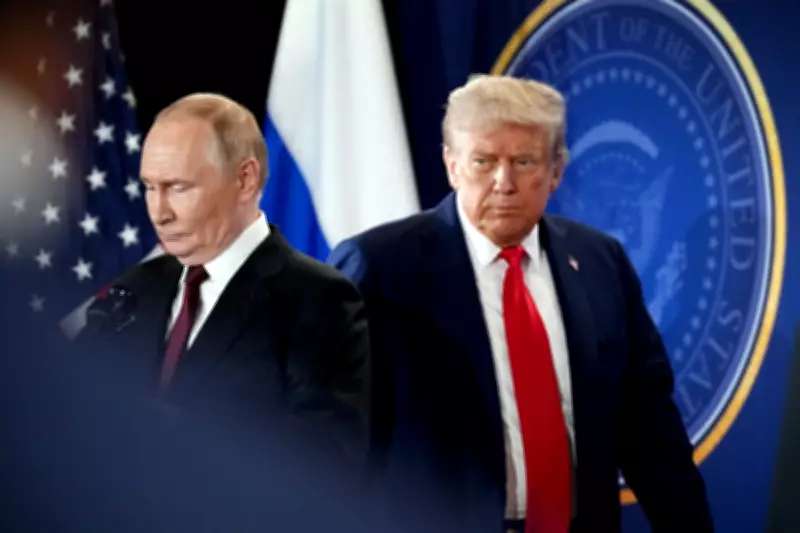
European leaders have sharply criticised former US President Donald Trump's decision to temporarily ease sanctions on the purchase of Russian oil. The 30-day waiver allows countries to buy sanctioned Russian oil and petroleum products currently stranded at sea, a move Trump claims aims to stabilise global energy markets amid the Middle East conflict.
Zelensky Warns of $10bn Windfall for Moscow
Ukrainian President Volodymyr Zelensky has expressed grave concerns, stating that this decision could provide Moscow with as much as $10bn to support Vladimir Putin's ongoing war on Ukraine. At a news conference in Paris, Zelensky emphasised, "It certainly does not help peace." He added that the funds from energy sales are directly used by Russia to purchase weapons deployed against Ukrainian forces.
European Council and German Chancellor Voice Opposition
European Council President Antonio Costa labelled the waiver as "very concerning," warning that it impacts European security by increasing Russian resources for its aggression. German Chancellor Friedrich Merz echoed this sentiment, calling it the "wrong" decision during a separate briefing. French President Emmanuel Macron, standing alongside Zelensky, argued that the reported shutdown of the Strait of Hormuz "in no way" justifies lifting sanctions.
Impact on Peace Talks and Global Attention
Zelensky also lamented the waning global focus on the Ukraine war due to the crisis in the Middle East, noting, "It's understandable that the attention of the world is moving to the Middle East, but it's not good for us." He revealed that peace talks with Russia and the US have stalled, as American negotiators cited security concerns preventing travel, while Russia refuses consecutive US-hosted meetings, leaving the process in limbo.
UK's Stance and Broader Reactions
In contrast to the US, UK Prime Minister Sir Keir Starmer confirmed that Britain will not follow suit in easing sanctions, emphasising the risk of aiding Putin's "war machine." Canada's Prime Minister Mark Carney also reiterated support for maintaining sanctions. Meanwhile, US Treasury Secretary Scott Bessent defended the waiver as a "tailored, short-term" measure that would not significantly benefit Russia, aimed at addressing instability from Iran.
Ongoing Violence and Regional Developments
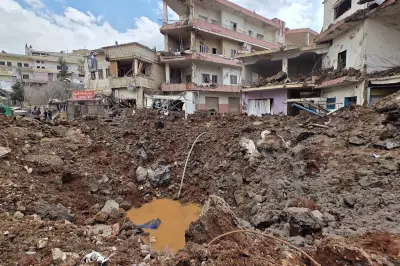
Amid these diplomatic tensions, violence continues in Ukraine. Reports indicate explosions in Kyiv, with Ukraine's Air Force warning of Russian ballistic missile threats. In southeastern Ukraine, Russian shelling killed one person and injured several in Dnipropetrovsk and Zaporizhzhia regions. Additionally, Russia has designated US academic Nina Khrushcheva as a foreign agent, citing her dissemination of false information about Russian policies.
The situation underscores the complex interplay between global energy markets, geopolitical conflicts, and the ongoing humanitarian crisis in Ukraine, with European unity facing a test over sanctions policy.