Afghan Scholar's University Dream Crushed by UK Visa Ban
On International Women's Day, a stark contrast emerges between global rhetoric and reality for Afghan women seeking education. While the Taliban has systematically banned women from schools for nearly five years, the British government has implemented policies with equally devastating consequences for those trying to escape this oppression.
The Story of Bahar: Resilience Against All Odds
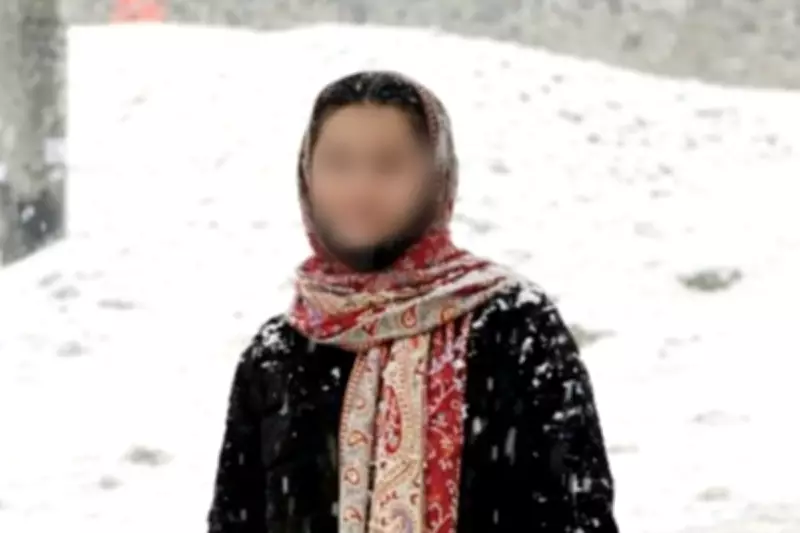
Bahar, an 18-year-old Afghan woman, represents the tragic intersection of these two realities. For four years under Taliban rule, she pursued education through secret online English classes while the regime dismantled every formal educational pathway available to women. Her determination yielded remarkable results: scholarship offers from both the University of York and University of Reading.
Her journey involved extraordinary personal sacrifices. Bahar had to convince her father and brothers to allow her to travel alone to another country, resisting a forced marriage that would have ended her educational aspirations. She chose education over family expectations at considerable personal cost, navigating cultural barriers alongside political oppression.
Home Secretary's Policy: Closing Doors with Paperwork
Home Secretary Shabana Mahmood's emergency ban on study visas for Afghanistan has effectively slammed shut Bahar's escape route. While the Taliban closes educational doors with guns and violence, the British government achieves similar outcomes through policy decisions. The distinction matters little to those trapped between these two forces.
Shabnam Nasimi, Bahar's cousin and former special adviser to the UK minister for Afghan resettlement, witnessed firsthand the British government's initial commitments to Afghan women following the fall of Kabul. "I have watched the UK make promise after promise to Afghan women," Nasimi states. "Last week, those promises were quietly discarded."
Questionable Justifications and Selective Enforcement
The Home Office justifies the ban by claiming Afghan students abuse the visa system by arriving on study visas and subsequently claiming asylum. This argument collapses under scrutiny when considering Afghanistan's unique circumstances as the only country where gender legally prohibits education, employment, and public appearance without male guardians.
Data reveals troubling inconsistencies in enforcement. Pakistan accounts for the largest share of people entering Britain on legal visas who subsequently claim asylum, with approximately 10,000 cases last year alone. Despite high rejection rates for Pakistani asylum claims, only 4% of rejected applicants were actually returned. Afghanistan, with its vulnerable female population, faces stricter measures despite presenting less systemic abuse of the system.
A Personal Appeal to Shared Experience
Nasimi addresses the home secretary directly, noting their shared background as Muslim women of South Asian heritage who have broken barriers in male-dominated spaces. "I do not believe you are indifferent to Bahar," she writes, suggesting instead a political calculation prioritizing votes that might be lost to Reform UK over the visa needs of a girl who resisted forced marriage to continue her education.
The appeal references a precedent from August 2021, when then-Prime Minister Boris Johnson personally intervened to prioritize visas for Chevening scholars from Afghanistan after public pressure. "We moved a prime minister in days because the argument was unanswerable," Nasimi recalls, suggesting the current situation presents equally compelling moral imperatives.
The Larger Context: Education as Resistance
The Taliban's establishment of 22,000 religious schools teaching only the Quran underscores their recognition that educated Afghan women threaten their fundamental ideology. Britain initially condemned this educational apartheid, providing aid and making speeches promising support. Now, the same government labels the girls fighting this agenda as asylum risks rather than recognizing them as partners in resistance.
Bahar represents hundreds of young women supporting the Friends of Afghan Women Network, which works with female-led civil society groups operating inside Afghanistan. Their daily reality involves balancing education against safety concerns, family relationships, and constant fear under Taliban rule.
The ultimate tragedy lies in the broken promise: a country that stood before cameras in 2021 pledging solidarity with Afghan women has quietly revoked that commitment through bureaucratic measures. As Nasimi concludes: "Her name is Bahar. She is 18 years old. She did everything we asked of her."