UK Secures Landmark Visa-Free Travel Agreement with China
In a significant diplomatic breakthrough, British citizens will soon be able to visit China without requiring a visa for short-term stays. The agreement was secured by Prime Minister Sir Keir Starmer during his official visit to Beijing, marking a major shift in travel regulations between the two nations.
New Travel Rules for UK Visitors
Under the new arrangement, UK passport holders travelling to mainland China for business or tourism purposes will no longer need to obtain a visa if their stay is shorter than 30 days. This brings British travellers in line with visitors from approximately 50 other countries, including major European nations like France and Germany, who already benefit from similar visa exemptions.
The change represents a substantial simplification of travel procedures for both tourists and business professionals seeking to engage with one of the world's largest economies. Currently, British nationals must navigate a comprehensive visa application process before visiting China, involving documentation, fees, and processing times that can deter spontaneous travel.
Economic Benefits and Whisky Tariff Reduction
Alongside the visa agreement, China has committed to reducing tariffs on UK whisky exports from 10% to 5%. This tariff reduction is estimated to be worth approximately £250 million to British exporters over the next five years, providing a significant boost to the UK's spirits industry and supporting jobs in distilling regions.
Prime Minister Starmer emphasised the economic importance of the agreements, stating: "As one of the world's economic powerhouses, businesses have been crying out for ways to grow their footprints in China. We'll make it easier for them to do so, including via relaxed visa rules for short-term travel, supporting them to expand abroad, all while boosting growth and jobs at home."
Diplomatic Reset and Business Engagement
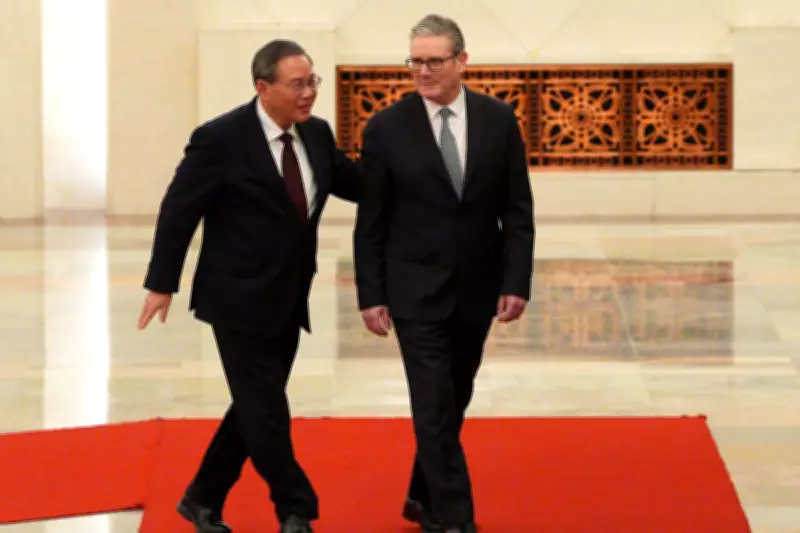
The visa agreement emerged from Sir Keir's meeting with Chinese President Xi Jinping at Beijing's Great Hall of the People, marking the first visit by a UK prime minister to China since 2018. The Prime Minister was accompanied by a substantial delegation of 54 representatives from British businesses and cultural institutions, signalling a concerted effort to deepen economic and cultural ties between the two nations.
During their discussions, which lasted approximately one hour and twenty minutes, Sir Keir told President Xi he sought a "more sophisticated" relationship between the UK and China. President Xi acknowledged that bilateral relations had experienced some "twists and turns" in recent years but expressed commitment to developing what Beijing described as a "long-term, stable and comprehensive strategic partnership."
Addressing Sensitive Issues
Downing Street confirmed that the Prime Minister raised "areas of concern" during the talks, though officials declined to provide specific details about discussions on contentious matters. These likely included the imprisonment of Hong Kong pro-democracy campaigner Jimmy Lai, the treatment of Uighur minorities, and China's position on Ukraine.
Sir Keir described having a "respectful discussion" on these sensitive topics, noting that such dialogue was "part and parcel of the reason to engage." He explained: "We raised those issues, as you would expect. Part of the rationale for engagement is to make sure that we can both seize the opportunities that are available, which is what we've done, but also have a mature discussion about issues that we disagree on."
Business Announcements and Ceremonial Events
Following the high-level meetings, Sir Keir addressed the UK-China Business Council, where Sir Pascal Soriot, chief executive of British pharmaceutical giant AstraZeneca, announced plans to invest 100 billion yuan (approximately £10.4 billion) in China by 2030. This substantial investment will expand medicine manufacturing capabilities and research and development activities within the country.
The diplomatic visit included ceremonial elements, with Sir Keir receiving a formal welcome at Beijing's Great Hall of the People. A military band performed both "God Save The King" and the Chinese national anthem, "March Of The Volunteers," before the Prime Minister inspected an honour guard comprising approximately 140 troops from China's army, navy, and air force.
Implementation Timeline and Political Response
While the visa-free travel agreement has been confirmed, it will not take effect immediately. Beijing has committed to implementing unilateral visa-free entry for UK citizens, with a specific start date to be announced in due course. This phased approach allows both nations to prepare for the operational changes required at border control points.
The diplomatic initiative has drawn mixed reactions in the UK, with opposition politicians expressing concerns about national security implications. Conservative critics accused Sir Keir of "kowtowing" to Chinese leadership, with Shadow Policing Minister Matt Vickers questioning whether the government adequately understands "the threat posed to our national security by China."
Despite these criticisms, the agreements represent a tangible outcome from the Prime Minister's efforts to reset UK-China relations while addressing both economic opportunities and areas of diplomatic disagreement. The visa-free travel arrangement, combined with reduced whisky tariffs, creates new pathways for cultural exchange and commercial collaboration between the two nations.