British Nationals Evacuate Middle East as Regional Conflict Intensifies
Desperate holidaymakers are fleeing the Middle East in significant numbers as the regional conflict escalates dramatically. A third UK government charter flight was scheduled to depart from Muscat, Oman, heading directly for London, marking the third such evacuation from the Omani capital alone.
Mass Repatriation Efforts Underway
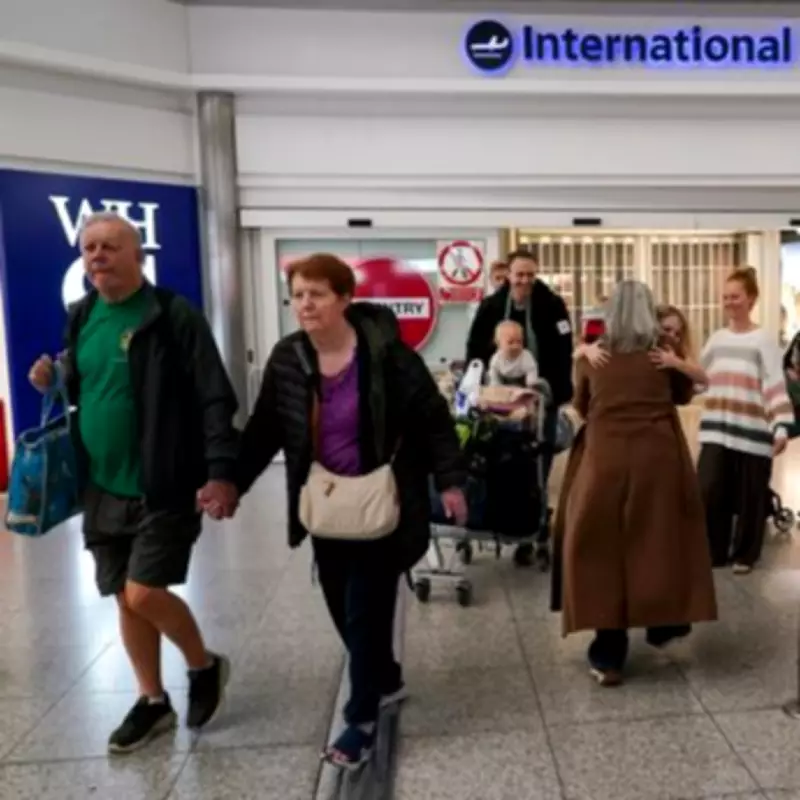
More than 9,000 British citizens have been successfully repatriated from the United Arab Emirates since March 3rd, according to official figures. On Saturday alone, a total of thirteen commercial flights transported approximately 3,200 people to safety, while flights from Qatar to London have also resumed operations despite the challenging circumstances.
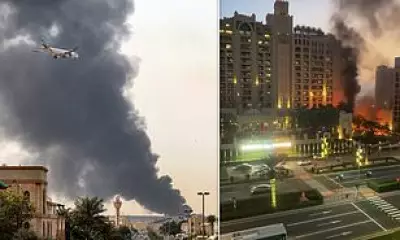
The Iranian Defence Ministry has made clear that it maintains weapons readiness for potential conflict escalation, contributing to the urgent evacuation efforts. Missile and drone activity was reported again across the UAE over the weekend, with more Iranian hardware fired at Dubai causing structural damage to buildings even after interception attempts. Tragically, one driver was killed by falling debris during these attacks.

Government Coordination and Travel Warnings
A UK Foreign Office spokesperson emphasized that British nationals should strictly follow travel advice for each country and adhere to local instructions. The spokesperson warned that the situation remains highly volatile with potential for further escalation, urging citizens to exercise extreme caution.
So far, an astonishing 168,000 British nationals have registered their presence across multiple Middle Eastern countries including Bahrain, Israel, Kuwait, Lebanon, Palestine, Qatar, and the United Arab Emirates. Operations are being coordinated from embassies throughout the Gulf states, with priority given to elderly citizens and families with young children for seats on government-chartered flights.
Evacuation Logistics and Challenges
Tourists across the region reported being contacted and offered evacuation seats for £350, though they were informed that demand significantly exceeds available capacity. Airspace restrictions remain severe due to ongoing aerial bombardment, complicating evacuation efforts despite the urgent need.
Two British teachers based in Dubai had the opportunity to secure places on last night's evacuation flight, scheduled to depart at 7pm UK time, but they elected to keep their Omanair flights scheduled for later this week instead. This decision highlights the difficult choices facing British citizens in the region.
Commercial Flight Demand Surges
There has been enormous demand for seats on commercial flights departing the region, with holidaymakers booking tickets immediately as they become available. This surge has created significant demand for travel back to the UK through airports across Europe and beyond, including transit points as distant as Ethiopia and Egypt.
Personal Accounts of the Crisis
Jamie Mallon, a 54-year-old financial advisor from Southampton, expressed concern that the World Trade Centre of Abu Dhabi might become a target for Iran due to symbolic connections to the September 11th attacks on the World Trade Center in New York. The giant mall, a popular tourist destination, was located close to their beachfront hotel.
Mallon and his 27-year-old daughter Izzy had traveled to Abu Dhabi seeking relaxation after her return from two and a half years working in Thailand. Unfortunately, they found themselves caught in the terrifying spread of Middle Eastern conflict within minutes of arrival, eventually managing to secure British Airways flights home on Saturday.
The evacuation efforts continue as authorities work against time to repatriate British citizens while navigating complex airspace restrictions and escalating military activity across the region.