British Government Faces Scrutiny Over Israel's Military Actions in Lebanon and West Bank
Recent letters published in the Guardian have sharply criticised the British government's response to Israel's military operations in Lebanon and the West Bank, accusing the UK of complicity through continued trade and arms support.
Condemnation Without Action
Alexandra Lucas, a Palestinian Lebanese writer based in London, has questioned the effectiveness of Britain's policy of condemnation without substantive action. In her letter, she highlights the stark contrast between Israel's operations in the West Bank and Lebanon.
"The West Bank is low-key," Lucas writes. "The world isn't watching, so the killing and dispossession continues – door to door, quietly enough that most people won't realise until Israel has taken the whole of the West Bank."

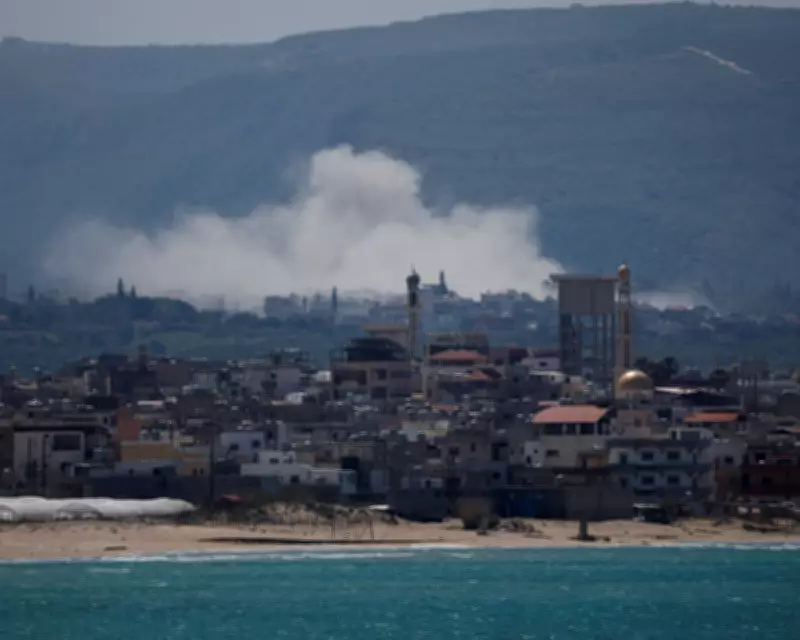
She contrasts this with Lebanon, where three hundred people were reportedly killed in just ten minutes during recent strikes, making such violence harder to ignore internationally. Lucas interprets Washington's message to Israel as essentially: "Keep it quiet. Take the land. Just don't let people notice."
Britain's Complicity Through Trade and Arms
The core of Lucas's criticism focuses on Britain's continued economic and military support for Israel despite the government's verbal condemnations of specific actions.
- Britain maintains preferential trade terms with Israel
- The UK supplies components for warplanes and weapons systems used in strikes
- Government responses have been limited to condemnation without policy changes
"What has to happen before our government acts – rather than simply condemns?" Lucas asks pointedly, suggesting that Britain remains complicit as long as these economic and military relationships continue unchanged.
Alan Bennett's Prescient Warning About Trump
In a separate letter, John Deards from Warminster, Wiltshire, draws attention to what he sees as prophetic writing from author Alan Bennett regarding Donald Trump's potential impact on global affairs.
Deards references Bennett's diary entry from January 7, 2019, which reads: "When Trump destroys the world those who are left will look at one another and wonder why nobody stopped him."
This observation comes in the context of reporting that Trump had asked Israeli Prime Minister Benjamin Netanyahu to be more "low-key" in Lebanon, suggesting a connection between American leadership and the conduct of international conflicts.
The Broader Context of UK Foreign Policy
The letters highlight growing concerns about Britain's foreign policy approach to the Middle East conflict, particularly:
- The inconsistency between verbal condemnation and material support
- The ethical implications of arms trading with nations engaged in controversial military operations
- The role of international pressure in moderating conflict behavior
- The long-term consequences of inaction on regional stability
These criticisms emerge against a backdrop of escalating tensions in the region, with Israel launching fresh strikes in Lebanon despite Netanyahu's statement that there is no ceasefire in Lebanon.
The Guardian's letters section continues to provide a platform for diverse perspectives on international affairs, with the newspaper inviting readers to submit opinions on any content they've read for potential publication.