Ministers are set to introduce new legislation that will grant them the authority to proscribe Iran's Revolutionary Guard as a terrorist organisation, though they have ruled out fast-tracking the parliamentary process. This development comes as the European Union aligns with the United States in formally labelling the IRGC a terrorist entity, citing its brutal suppression of anti-government protests.
EU Designation and UK Legislative Response
The European Union yesterday added the Iranian Revolutionary Guard Corps to its list of designated terrorist organisations, placing it alongside groups such as al-Qaeda, Hamas, and Islamic State. EU foreign policy chief Kaja Kallas stated that this decisive step was taken because repression cannot go unanswered. In response to mounting pressure, the UK Home Office confirmed it is preparing legislation to proscribe hostile state agencies, including the IRGC, but emphasised the bill would not be expedited despite the ongoing violence.
Shadow Foreign Secretary's Criticism
Shadow foreign secretary Dame Priti Patel condemned the Iranian regime's actions as an affront to humanity and called for a rapid ban on the IRGC. The Tory frontbencher criticised the Labour Government's silence on the matter, stating that Britain must stand up for the Iranian people and confront the regime with strength and resolve. She expressed willingness to collaborate on legal mechanisms for UK action.
Nature and History of the IRGC
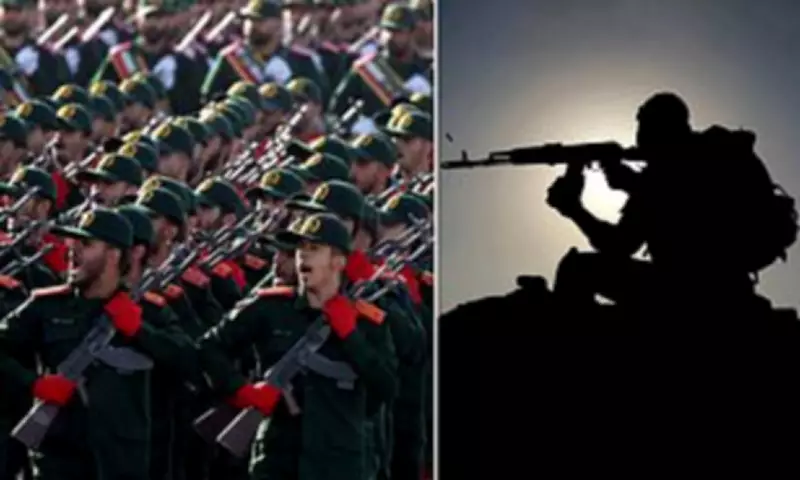
The Iranian Revolutionary Guard Corps is a violent, Islamist-extremist organisation founded by acolytes of former Supreme Leader Ayatollah Khomeini to defend the Islamic Republic's core values. It employs a mix of terror, extreme violence, and ideological warfare to safeguard the revolution and target enemies, with links to kidnappings, assassinations, and terror attacks. Emerging from Iran's 1979 Islamic Revolution, the Guard was enshrined in the constitution to protect the Shiite cleric-overseen government, operating parallel to regular armed forces and gaining prominence during the 1980s war with Iraq.
EU Sanctions and Iranian Reaction
Alongside the terrorist designation, the EU sanctioned 15 top officials and six organisations in Iran, including those involved in monitoring online content, amid a three-week internet blackout. French Foreign Minister Jean-Noël Barrot explained that these sanctions freeze assets and ban travel to Europe. Iranian Foreign Minister Abbas Araghchi dismissed the EU's move as a PR stunt, warning that Europe could face consequences from rising energy prices due to sanctions.
Analyst Perspectives and Legal Process
Kristina Kausch, a deputy director at the German Marshall Fund, described the EU listing as a symbolic act indicating a shift from dialogue to isolation and containment. She noted that designating a state military arm as a terrorist organisation is one step short of cutting diplomatic ties. Lawyer Edouard Gergondet highlighted that the Revolutionary Guard now has time to comment before the listing is formally adopted.
Role in Crackdown and Conscription
The IRGC's Basij force is believed to have played a key role in suppressing demonstrations that intensified from January 8, when authorities cut off internet and international calls for Iran's 85 million people. Videos via Starlink and other means show forces likely belonging to the Guard shooting and beating protesters. Iranian men are required to complete up to two years of military service from age 18, often conscripted into the Guard regardless of personal politics.
Government Statements and Existing Measures
A Government spokesman utterly condemned the violence used by the Iranian regime against peaceful protesters. The UK has already sanctioned the IRGC in its entirety, along with over 550 Iranian individuals and entities, and implemented a robust package of measures to address threats from the regime. Government sources indicated that proposed laws will be introduced as parliamentary time allows, without specifying which groups might be banned.
Deputy Prime Minister David Lammy condemned the regime's brutal repression but noted it is a long-standing position under successive governments not to comment on specific organisations being considered for proscription. The Revolutionary Guard holds vast business interests across Iran, and sanctions could enable the seizure of its assets in Europe, adding economic pressure to the diplomatic and legal actions.