The British government has formally announced a landmark agreement to transfer sovereignty of the Chagos Islands to Mauritius, marking a significant shift in control over the strategically vital Indian Ocean territory. This deal, which was signed in May between the United Kingdom and Mauritius, concludes decades of colonial administration and addresses long-standing disputes over the islands' status.
Historical Context and Strategic Importance
The Chagos Islands have been under British control since 1814, but their modern history is marked by controversy. In 1965, the UK separated the archipelago from Mauritius, then a British colony, and forcibly evicted up to 2,000 indigenous inhabitants to make way for a United States military base on Diego Garcia. This action has been a source of ongoing diplomatic tension and human rights concerns, with displaced Chagossians and their descendants campaigning for the right to return to their homeland for years.
Key Provisions of the Sovereignty Agreement
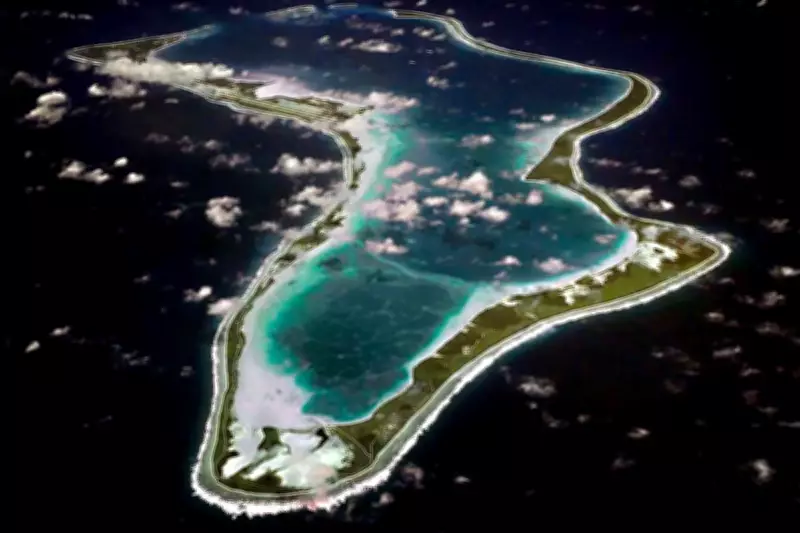
The agreement includes several critical components designed to balance sovereignty transfer with ongoing strategic interests. Firstly, the UK will lease back Diego Garcia, which hosts a crucial US military installation, to Mauritius for a minimum of 99 years. This ensures the continuity of military operations that are vital for regional security and global defence networks.

Additionally, the deal establishes a resettlement fund to assist approximately 10,000 displaced Chagossians and their descendants, who now primarily reside in Britain, Mauritius, and the Seychelles. This fund aims to support their return to the Chagos Islands, though it explicitly excludes the Diego Garcia atoll due to its military use. The provisions represent a compromise aimed at addressing historical injustices while maintaining functional control over key assets.
International Reactions and Criticism
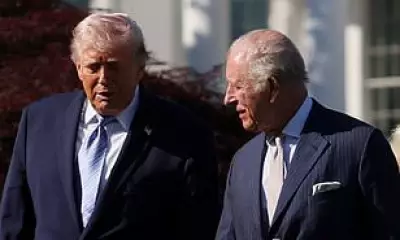
The sovereignty transfer has not been without controversy. US President Donald Trump has publicly criticised the agreement, stating that Prime Minister Sir Keir Starmer made a "big mistake" and that Britain should retain control of Diego Garcia. This criticism underscores the geopolitical sensitivities surrounding the islands, which are valued for their strategic location in the Indian Ocean.
Despite this, the deal reflects a broader trend of decolonisation and reconciliation efforts. It aligns with international legal opinions, including rulings from the International Court of Justice and the United Nations, which have previously called for the UK to end its administration of the Chagos Islands and facilitate the return of displaced people.
The formal announcement by Sir Keir Starmer signifies a commitment to resolving this long-standing issue, potentially improving UK-Mauritius relations and setting a precedent for handling similar territorial disputes. However, the implementation of the resettlement plan and the management of the leaseback arrangement will be closely watched by stakeholders worldwide.