Ukraine Civilian Casualties Surge 26% Amid Stalled Peace Talks and Intensified Russian Attacks
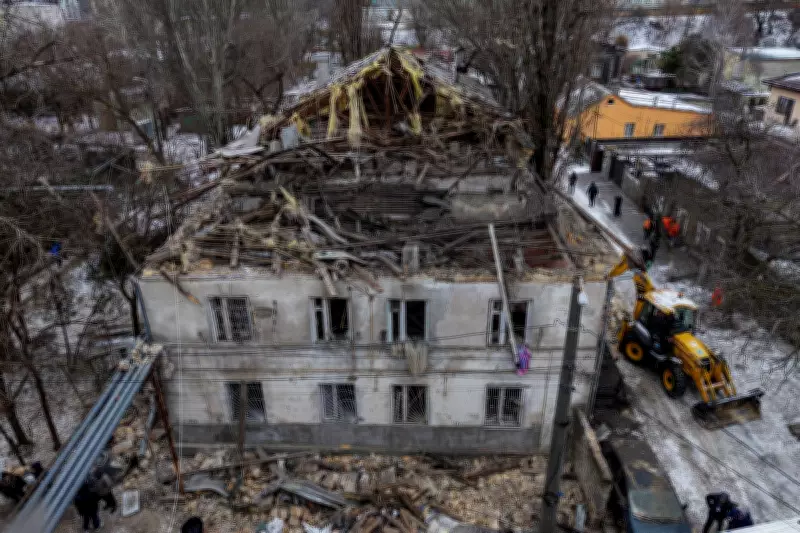
Civilian casualties in Ukraine have increased dramatically, with a 26 percent surge recorded during 2025 according to recent monitoring data. This alarming rise coincides with intensified Russian military operations and stalled peace negotiations backed by the United States.
Escalating Violence and Civilian Harm
The latest figures from the non-governmental organization Action on Armed Violence (AOAV) reveal there were 14,775 Ukrainian civilian casualties last year, a significant increase from 11,765 in 2024. The 2025 statistics include 2,250 deaths, representing an 11 percent increase from the previous year's 2,027 fatalities, and 12,525 injuries, which rose by 28 percent from 9,738.
Perhaps most concerning is the dramatic increase in casualties per incident, which jumped 33 percent to an average of 4.8. Researchers suggest this indicates Russian attacks are being deliberately designed to maximize civilian harm through more sophisticated targeting and heavier munitions.

Peace Talks Stalled Amid Continued Aggression
While civilian casualties mounted throughout 2025, US-backed peace talks between Ukrainian and Russian delegations made little concrete progress despite being the first such meetings since 2022. During his first year back in office, US President Donald Trump repeatedly promised to end the conflict quickly, claiming on the campaign trail 53 times that he could resolve the war "in 24 hours."
However, Moscow has shown no intention of halting its military campaign, continuing to target Ukraine with increasing numbers of drones and missiles. After boosting domestic drone production, Russian forces launched unprecedented numbers of projectiles at Ukrainian targets, with energy infrastructure and residential buildings becoming primary objectives.
Pattern of Escalating Attacks
The violence reached a peak last summer when Russia launched its worst attack of the year on the central city of Dnipro on June 24. The strike targeted a passenger train, apartments, and schools, killing 21 people and injuring 314, including 38 children.
This pattern has continued into 2026, with Moscow launching a series of heavy air attacks targeting energy infrastructure as Ukraine faced its coldest winter in years. The trend suggests a strategic shift toward causing maximum disruption to civilian life and essential services.
Diplomatic Frustrations and Territorial Stalemate
Ukrainian President Volodymyr Zelensky expressed frustration over the peace process at the Munich Security Conference, stating that Ukraine is frequently asked to make concessions while Moscow appears to delay decisions by changing its lead negotiator. "We truly hope that the trilateral meetings will be serious, substantive, helpful for all of us, but honestly sometimes it feels like the sides are talking about completely different things," Zelensky said.
The critical stumbling block preventing meaningful progress remains territorial control, with Moscow maintaining maximalist demands that Kyiv has consistently rejected. Ukrainian, Russian, and American delegations are scheduled to meet in Geneva this week, though expectations for breakthrough remain low given the ongoing military escalation.
Global Context and Humanitarian Concerns
The AOAV report also examines trends in other global conflicts including Gaza, Sudan, Myanmar, and Yemen, noting disturbing patterns of civilian suffering. "What this global data shows, grimly and repeatedly, is that civilian harm is not an adjunct of war but an inevitable and predictable outcome when explosive weapons are used," said Dr. Iain Overton, AOAV's executive director.
He emphasized that even where overall use of explosive weapons declines, civilians continue to suffer disproportionately when bombs and missiles are deployed in populated areas. The organization warns that without meaningful restraint on the use of explosive weapons in urban environments, civilian lives will continue to be devastated long after international attention shifts elsewhere.