A Critical Point for Ukraine and Europe
Almost four years after Russia's full-scale invasion of Ukraine, the situation on the ground and in diplomatic circles has reached a critical juncture. Our report from Kyiv vividly illustrates the plight of residents in Ukraine's capital, who endure nightly Russian air raids targeting civilian power supplies during mid-winter. The intensity of these attacks, compounded by insufficient air defence and harsh winter temperatures, has been markedly worse than in previous years.
Human Suffering in a War-Torn Capital
The human aspect remains the most poignant. Nursery-age children have learned to distinguish outgoing from incoming fire. A parliamentarian expressed relief that his family lacked funds to buy a flat in an adjacent high-rise, which proved more vulnerable than his ground-floor flat in an older building. For most of each day, there is no hot water, heating, or power, severely impacting wellbeing and morale. If this describes the relatively privileged life of an MP in Kyiv, conditions for others, especially those in eastern battle zones, must be many times worse.
Yet Ukrainians continue to fight with admirable, almost superhuman, fortitude, determined not to cede land to the Russian aggressor. This is particularly true for the fortress belt that Russia has failed to win on the battlefield, seen as crucial to Ukraine's security now and in the future. While some argue it is time to shift focus from praising Ukrainian resilience to addressing the actions necessitating it, without this resilience, the story could be very different.

Diplomatic Stalemate and US-Europe Tensions
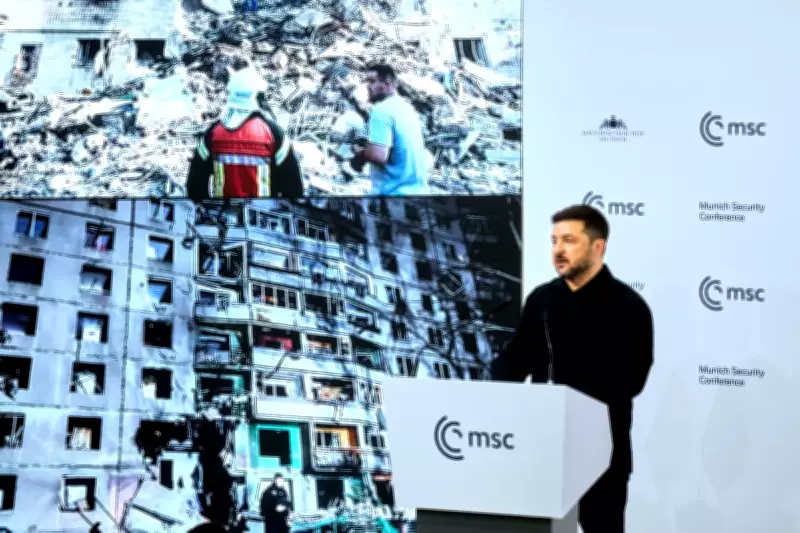
The situation has also reached a critical point diplomatically. Efforts dating from the start of Donald Trump's second term in office stand at a potentially pivotal moment. Both the dangers and limited hopes for peace were evident at the recent Munich Security Conference. Last year, Europe reeled from US Vice-President JD Vance's speech, which included shocking charges against the continent. This year, US Secretary of State Marco Rubio struck a more emollient tone, reaffirming US commitment to Europe and praising its cultural achievements.
However, Rubio left two raw realities intact. First, Europe must take responsibility for its own defence. Second, Ukraine—which he did not mention by name in his speech, though this was addressed in questions and side-meetings—is primarily a European problem and would become entirely so if current US-led diplomacy fails. He also noted that any agreement would require "hard concessions" from Ukraine. This signal, ahead of new talks involving Ukrainians and Russians in Geneva this week, received a frosty response from Ukraine's President Volodymyr Zelensky and his team in Munich.
European Exclusion and Solidarity Concerns
Ukrainian officials argued that the US consistently makes more demands of them than of Russia, that further territorial concessions are unacceptable, and that the prospect of elections in Ukraine is barely on the drawing board. Discussions in Munich highlighted the fitful and inconsistent nature of Trump's peace efforts and Europe's exclusion, despite early attempts by European leaders to be heard during his second term. Now, Europe finds itself on the outside again, with weaker solidarity and divisions over support for Ukraine and potential channels to Moscow.
Poland's Foreign Minister Radoslaw Sikorski made a persuasive case for Europe. Since Europe is effectively funding Ukraine's defence, including weapons purchases from the US, Europeans deserve a say in talks and future steps. This position is hard to dispute but could haunt Europeans if Trump withdraws, leaving them with sole responsibility.
Make-or-Break Geneva Talks
The state of diplomacy is at least as perilous for Ukraine as the worsening situation on the ground. Zelensky views the US as essential to any peace, believing only it can implement the security guarantees Ukraine needs. However, the growing detachment of the US administration was clear in Munich, making the upcoming Geneva talks make-or-break—not just for Ukraine, but for US-Europe relations. With living conditions desperate and diplomatic progress stalled, these talks are crucial for shaping the future of the conflict and international alliances.