US Ambassador Refuses to Apologise in Belgian Antisemitism Row
A diplomatic row is intensifying between Belgium and the United States, with US Ambassador Bill White steadfastly refusing to issue an apology after accusing his host nation of antisemitism. The controversy stems from a Belgian investigation into three Jewish men suspected of performing ritual circumcisions without proper medical qualifications, a case that has now escalated into a significant international dispute.
Ambassador's Accusations and Belgian Rebuttal
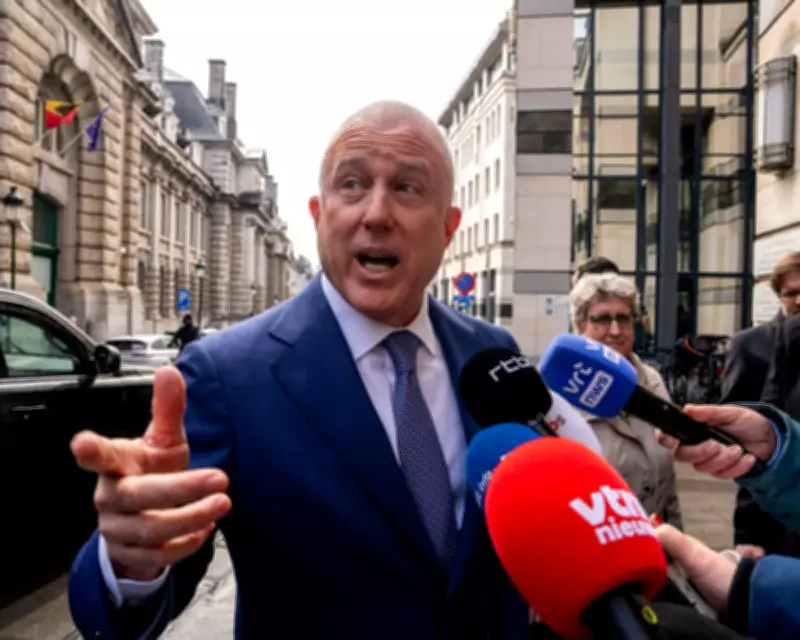
On Monday, Ambassador White, a staunch ally of President Donald Trump, took to social media to demand that Belgium drop what he labelled a "ridiculous" and "antisemitic" inquiry. He specifically targeted Belgium's socialist health minister, Frank Vandenbroucke, describing him as "very rude" and calling for an end to the "unacceptable harassment" and "disgusting" treatment of the three men. White further urged Belgium to improve its record on combating antisemitism.
Belgian Foreign Minister Maxime Prévot issued an immediate and firm rebuke, stating that any suggestion Belgium is antisemitic is "false, offensive, and unacceptable". Prévot accused the ambassador of violating fundamental diplomatic norms, emphasising that such interference in internal judicial affairs is contrary to established international protocols.

Legal Context and Diplomatic Tensions
In Belgium, circumcision is legal but must be conducted under strict conditions by a qualified medical professional. The investigation focuses on three mohels, or ritual circumcisers, in Antwerp who are suspected of operating without the requisite medical training. Ambassador White responded to criticism by arguing that Belgium should either amend its laws or acknowledge the investigation as antisemitic, dismissing accusations of interference as a "political distraction".
Following a summons to the Belgian foreign ministry on Tuesday, White remained defiant, insisting there was "no need" for him to apologise. He stated that he had explained the position of the United States and President Trump, expressing hope that Belgium would "legalise this process". Belgian authorities countered by reminding White of the Vienna Convention on Diplomatic Relations, stressing that personal attacks on government members and interference in internal affairs breach basic diplomatic rules.
Broader Implications and Political Fallout
The Belgian foreign ministry released a statement reaffirming its commitment to the US relationship but insisting that dialogue must be grounded in respect for national institutions and sovereignty. It also reiterated Belgium's condemnation of antisemitism and racism, seeking to distance the investigation from any discriminatory intent.
Further complicating matters, reports emerged that Ambassador White submitted an official complaint demanding Belgium's "immediate condemnation" of statements by Conner Rousseau, leader of the Flemish socialist Vooruit party. Rousseau had previously criticised US Immigration and Customs Enforcement (ICE) actions, suggesting they echoed historical atrocities. Rousseau remained unrepentant, questioning the timing of White's complaint and speculating it was linked to the ambassador's unsuccessful intervention in the circumcision case.
Rousseau, who White reportedly threatened with a US travel ban, asserted Belgium's right to voice concerns about US policies, calling for mutual respect in diplomatic exchanges. This incident underscores the delicate balance between diplomatic protocol and political expression, highlighting how domestic investigations can rapidly evolve into international confrontations with lasting repercussions for bilateral relations.