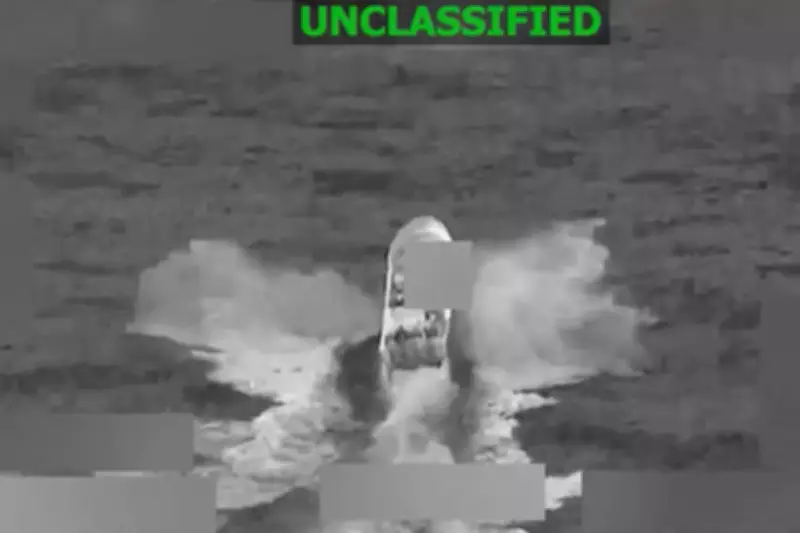
In a significant escalation of military operations, the United States has conducted a series of boat strikes in Latin American waters, resulting in the highest daily death count since the campaign was initiated. On Monday, US forces targeted three vessels suspected of involvement in drug smuggling, leading to the deaths of eleven individuals in a single day.
Rising Casualties and Campaign Background
These latest attacks bring the total death toll to at least 145 people since the Trump administration revived its aggressive campaign against so-called "narcoterrorists" in early September. The operation, which focuses on disrupting drug trafficking routes, has been marked by frequent military engagements in the region.
US Central Command has stated that intelligence reports confirmed the vessels were operating along known narco-trafficking corridors. In support of their actions, the command released a video depicting the strikes, though it did not provide direct evidence of drugs being transported on the targeted boats.

Political Justifications and Criticisms
Former President Donald Trump has previously defended these assaults, describing them as a 'necessary escalation' in what he terms an 'armed conflict' with cartels. However, his administration has offered limited substantiation for these claims, leading to scrutiny from various quarters.
Critics have voiced serious concerns regarding the legality and overall effectiveness of the strikes. They argue that such military actions may not adequately address the root causes of drug trafficking, particularly as fentanyl, a major contributor to overdose deaths, is predominantly smuggled overland from Mexico rather than by sea.
The debate continues as the death toll mounts, with human rights groups and international observers calling for greater transparency and a reassessment of the strategy's impact on civilian lives and regional stability.