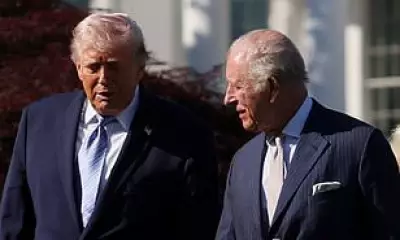
US Commitment to Ukraine Peace: A Critical Examination of Diplomatic Priorities
Recent discussions in international circles have raised significant questions about the United States' true dedication to fostering peace in Ukraine. As the conflict continues to unfold, analysts and policymakers are scrutinising Washington's diplomatic actions and rhetoric to assess whether there is a genuine push for resolution or if other strategic interests are taking precedence.
Diplomatic Strategies Under Scrutiny
The United States has been a key player in the international response to the Ukraine crisis, providing substantial military aid and political support to Kyiv. However, critics argue that this approach may inadvertently prolong hostilities rather than encourage a swift peace settlement. By focusing heavily on bolstering Ukraine's defensive capabilities, some experts suggest that the US is prioritising a military stalemate over active negotiation efforts.
This perspective is bolstered by observations of US diplomatic engagements, which often emphasise solidarity with Ukraine but show limited public initiative in brokering direct talks between the warring parties. While the US has participated in multilateral forums aimed at conflict resolution, its stance has frequently aligned with a hardline against concessions, potentially hindering compromise.

International Implications and Global Perceptions
The perceived ambivalence in US policy has broader implications for global diplomacy and alliance dynamics. European allies, while largely supportive of US leadership, have expressed concerns about the sustainability of a prolonged conflict and its economic and security repercussions. There is a growing call for a more balanced approach that combines support for Ukraine with intensified peacemaking endeavours.
Moreover, the situation tests the credibility of US commitments to international peace and security frameworks. If the US is seen as less invested in peaceful outcomes, it could undermine its role as a mediator in other global disputes and affect its diplomatic relationships worldwide.
Assessing the Path Forward
To address these concerns, it is essential to evaluate the multifaceted nature of US involvement. Proponents of current US policy highlight that a strong defensive posture is necessary to deter further aggression and create conditions favourable for negotiations. They argue that without adequate security guarantees, any peace talks would be inherently unstable.
Nevertheless, there is a compelling case for enhancing diplomatic overtures. This could involve:
- Increasing backchannel communications with all relevant stakeholders.
- Promoting confidence-building measures to reduce tensions.
- Supporting humanitarian initiatives that pave the way for political dialogue.
Ultimately, the question of whether the US truly cares about peace in Ukraine hinges on a nuanced analysis of its actions versus its stated objectives. While military support is a visible component, the less publicised diplomatic efforts may hold the key to understanding Washington's long-term intentions. As the conflict evolves, continued scrutiny and international cooperation will be vital in steering towards a durable and just resolution.