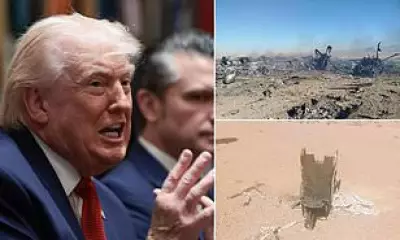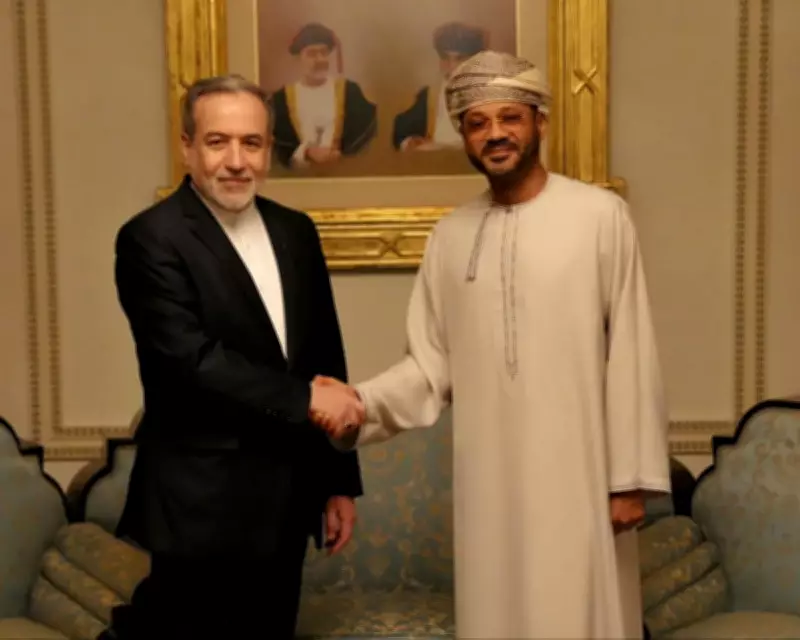
The United States and Iran have initiated pivotal negotiations in Muscat, Oman, focusing on Tehran's nuclear programme, a dialogue widely regarded as a final opportunity to avert renewed military conflict. These talks mark the first diplomatic engagement since US strikes targeted Iranian nuclear facilities in June, which coincided with the concluding phase of a 12-day Israeli bombing campaign.
High-Stakes Diplomacy Under Pressure
The discussions unfold against a backdrop of escalating regional tensions, exacerbated by a significant US naval buildup following a violent Iranian government crackdown on nationwide protests last month. Former President Donald Trump has issued repeated warnings, threatening military strikes from the US carrier strike group Abraham Lincoln should the talks fail to yield progress.
Key Negotiators and Demands
Leading the Iranian delegation is Foreign Minister Abbas Araghchi, a seasoned nuclear negotiator with over two decades of experience. He faces Steve Witkoff, Trump's special envoy, and Jared Kushner, the president's brother-in-law, representing the US side. Washington aims to broaden the agenda to include Iran's ballistic missile programme, support for regional armed groups, and human rights issues, as articulated by Secretary of State Marco Rubio. However, Iranian officials have expressed satisfaction that, initially at least, the talks will concentrate solely on nuclear matters.

Iran's Stance and Regional Implications
Iran is seeking firm assurances that the US is not exploiting the negotiations as a pretext for regime change. Tehran has unequivocally stated that its right to enrich uranium on its own soil, a provision granted under the now-defunct 2015 nuclear deal brokered by Barack Obama, is non-negotiable. A potential compromise could involve Iran suspending uranium enrichment plans for a fixed period and participating in a regional consortium to advance a civil nuclear programme.
Additionally, Iran is expected to demand sanctions relief in exchange for implementing a new inspections regime at its nuclear sites. The Iranian rial has lost half its value against the dollar since the June attacks, and soaring food inflation, exceeding 100%, has severely impacted living standards, sparking the protests that erupted in late December.
Broader Security Concerns
The previous round of talks was abruptly halted in June when Israel launched a surprise offensive, resulting in at least 1,000 Iranian casualties and the destruction of three nuclear sites. Iran has warned it will not hesitate to retaliate against Israel or US military bases in the region if attacked. The involvement of foreign ministers from Qatar, Turkey, the United Arab Emirates, Egypt, and Saudi Arabia was initially proposed by the US but rejected by Tehran, highlighting the profound regional security stakes intertwined with any US-Iran agreement.
While Trump previously voiced support for Iranian protesters, promising assistance, the US refrained from direct military action, partly due to concerns from Israel and US military officials about preparedness for potential Iranian reprisals. The outcome of these Oman talks could significantly influence not only nuclear non-proliferation efforts but also the stability of the entire Middle East and North Africa region.