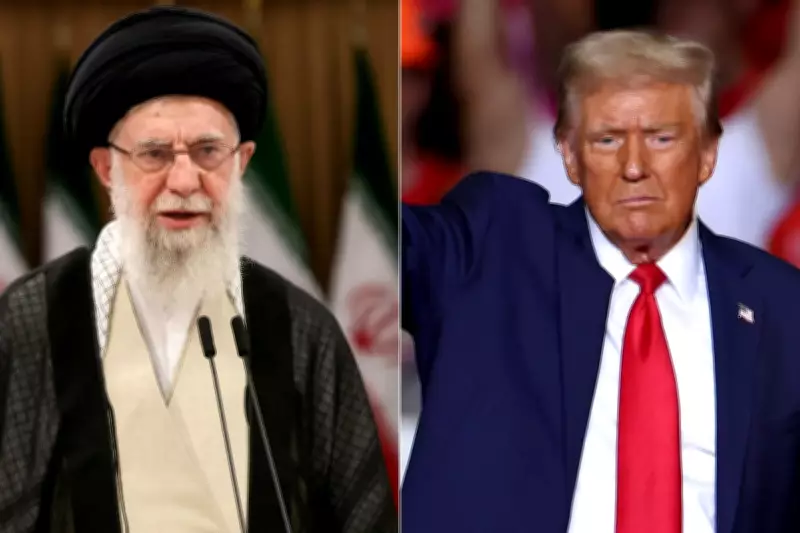
Critical talks between the United States and Iran regarding a new nuclear agreement are set to begin in Oman on Friday, unfolding against a backdrop of repeated military threats from former President Donald Trump. Senior officials from Washington and Tehran are expected to engage in discussions focused on Iran's nuclear programme, as a significant buildup of US military forces continues in the Middle East region.
Escalating Tensions and Diplomatic Efforts
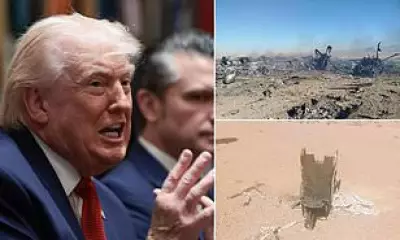
In recent weeks, Trump has issued stark warnings, threatening to bomb Iran if it does not scale back its nuclear activities, which the US targeted in an attack last June. This heightened rhetoric follows an incident earlier this week where US forces shot down an Iranian drone that approached the USS Abraham Lincoln in the Arabian Sea. Despite these provocations, both sides have appeared to step back from further escalation, opting instead for diplomatic channels to address the ongoing crisis.
Key Delegations and Historical Context
The Iranian delegation will be led by Foreign Minister Abbas Araghchi, while the US team will include Trump's special envoy Steve Witkoff and the President's son-in-law Jared Kushner. This meeting marks the first direct engagement between the two nations since the war between Iran and Israel in June of last year, adding a layer of urgency and complexity to the negotiations.

In a statement on social media platform X on Friday, Araghchi emphasized Iran's approach, saying, "Iran enters diplomacy with open eyes and a steady memory of the past year. We engage in good faith and stand firm on our rights. Commitments need to be honored." This underscores Tehran's cautious yet determined stance as talks commence.
Focus on Nuclear Issues and Regional Stability
The discussions in Muscat are expected to concentrate solely on nuclear matters, with Iran insisting that the agenda remain limited to these critical issues. The buildup of US military forces in the area has raised concerns about potential conflicts, but the initiation of talks signals a temporary shift towards dialogue over confrontation.
As the world watches closely, the outcome of these negotiations could significantly impact regional stability and global nuclear non-proliferation efforts. The involvement of high-profile figures like Kushner and Witkoff highlights the importance the US places on resolving this long-standing dispute through diplomatic means, despite the shadow of past military actions and threats.