US-Israel Joint Military Operation Targets Iran's Nuclear Program
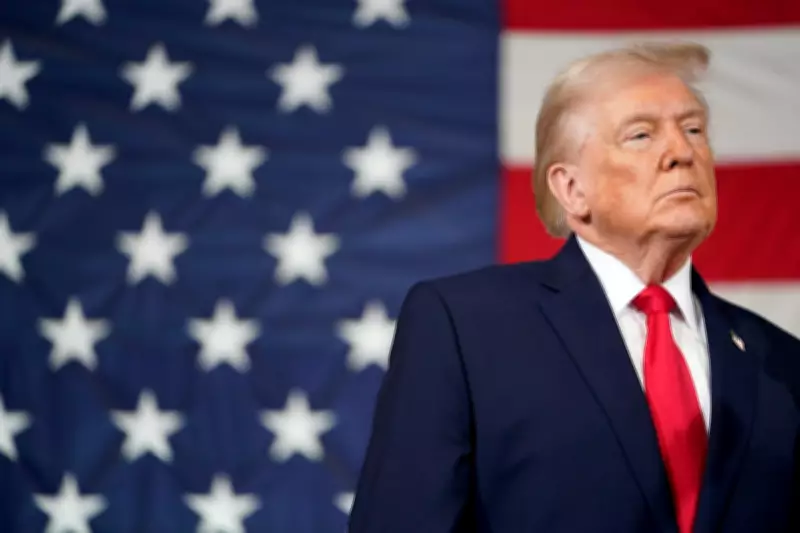
The United States and Israel launched a coordinated military strike against Iran on Saturday, in what President Donald Trump described as a massive operation aimed at destroying the country's military capabilities and eliminating the threat of nuclear weapon development. The attack represents a significant escalation in tensions between the Western allies and the Islamic Republic.
Timeline of Events Leading to Military Confrontation
The strikes followed months of escalating pressure from the Trump administration on Tehran to constrain its nuclear program. The United States had been building up a substantial naval presence in the region, including the deployment of the aircraft carriers USS Abraham Lincoln and USS Gerald R. Ford, along with multiple guided-missile destroyers. This military buildup added more than 10,000 U.S. troops to the Middle East theater.
According to Iranian state media, at least 57 people were killed and 45 others wounded at a girls' school in southern Iran during the initial strikes. One of the first targets reportedly included areas near the offices of Supreme Leader Ayatollah Ali Khamenei, though his exact whereabouts at the time remained unclear. Iranian Foreign Minister Abbas Araghchi later confirmed that both Khamenei and President Masoud Pezeshkian were alive "as far as I know."

Iran's Immediate Retaliation and Regional Impact
Iran responded swiftly to the attacks, with the Revolutionary Guard launching counterattacks that included drone and missile strikes targeting Israel and U.S. military installations in Bahrain, Kuwait, and Qatar. Bahrain confirmed that a missile attack targeted the U.S. Navy's 5th Fleet headquarters, while witnesses reported sirens and explosions in Kuwait near U.S. Army Central facilities.
The conflict has caused significant disruption to regional air travel, with Israel, the United Arab Emirates, and Qatar closing their airspace. Multiple airlines including Virgin Atlantic, Turkish Airlines, and KLM have suspended or rerouted flights throughout the Middle East. Iraq and Jordan also closed their airspace as a precautionary measure.
Trump's Message to the Iranian People
In an eight-minute video posted on social media, President Trump confirmed U.S. involvement in what he termed "major combat operations." While initially advising Iranians to take cover, Trump later urged them to rise up against their government, stating, "When we are finished, take over your government. It will be yours to take. This will be probably your only chance for generations."
The president cited grievances dating back to the 1979 Iranian Revolution that transformed Iran from a U.S. ally to a regional adversary. The attacks came just one day after Trump expressed frustration over stalled negotiations regarding Iran's nuclear program.
Regional Security Implications and Ongoing Threats
Israeli Defense Minister Israel Katz described the attacks as necessary "to remove threats," with targets including Iran's military infrastructure, government symbols, and intelligence sites. While sirens wailed across Israel warning of possible incoming missile strikes, Israeli authorities reported no significant hits or injuries from Iran's retaliatory attacks.
Meanwhile, Iranian-backed Houthi rebels in Yemen have vowed to resume attacks on Red Sea shipping routes and target Israel, according to senior Houthi officials speaking anonymously. This development suggests the conflict could expand beyond the initial theater of operations.
The situation remains fluid, with both sides continuing military operations and regional governments implementing emergency measures to protect civilian populations and critical infrastructure.