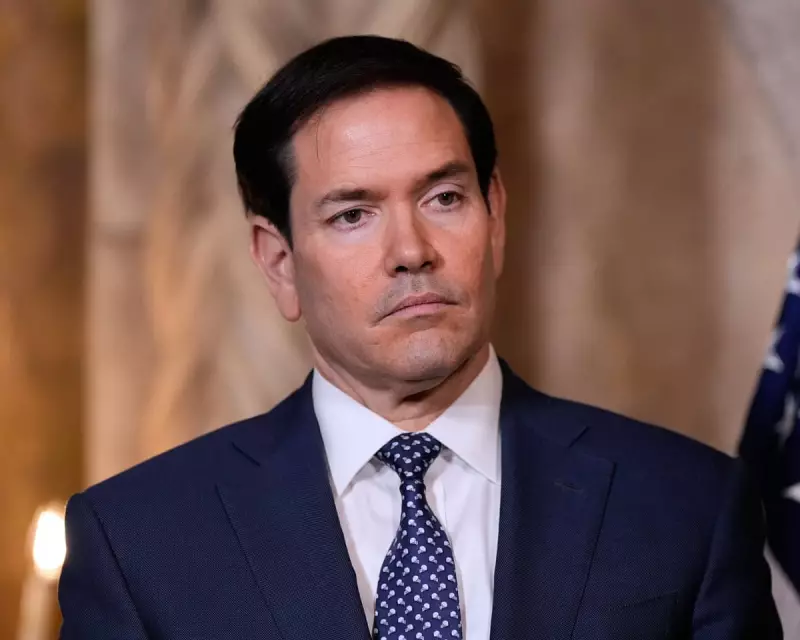
The Trump administration has ignited a major diplomatic and ideological clash by imposing sanctions on two prominent British figures leading the fight against online disinformation. US Secretary of State Marco Rubio announced "visa-related" sanctions this week against five Europeans, including UK-based campaigners Imran Ahmed and Clare Melford.
Labour MP Accuses US of Undermining Free Speech
Chi Onwurah, the Labour MP and chair of parliament's technology select committee, launched a fierce rebuke, arguing the move contradicts the very principles it claims to uphold. "Banning people because you disagree with what they say undermines the free speech the administration claims to seek," Onwurah stated.
She highlighted that Imran Ahmed, chief executive of the Center for Countering Digital Hate (CCDH), had given evidence to her committee's inquiry, advocating for greater social media regulation. "Banning him won't shut down the debate," Onwurah added, "too many people are being harmed by the spread of digital hate."
The Sanctioned Campaigners and Their Clash with Big Tech
The sanctions directly target individuals and organisations that have been vocal critics of major social media platforms. Imran Ahmed's CCDH has repeatedly criticised Elon Musk's X for a reported surge in hate speech, leading Musk to unsuccessfully sue the group and label it a "criminal organisation".
Clare Melford's organisation, the Global Disinformation Index (GDI), has also drawn Musk's ire for its work rating the reliability of news websites, including some right-wing outlets. A GDI spokesperson condemned the sanctions as "an authoritarian attack on free speech and an egregious act of government censorship," accusing the Trump administration of intimidation.
Rubio justified the measures, accusing the five of leading "organised efforts to coerce American platforms to censor, demonetise and suppress American viewpoints they oppose". A US State Department official posted on X that the message was clear: "if you spend your career fomenting censorship of American speech, you're unwelcome on American soil."
International Backlash and UK Regulation in the Crosshairs
The UK government's response was notably muted compared to its European counterparts. A British government spokesperson said, "While every country has the right to set its own visa rules, we support the laws and institutions which are working to keep the internet free from the most harmful content."
In contrast, French President Emmanuel Macron said the measures "amount to intimidation and coercion," while the European Commission "strongly condemned" the US action. Campaigners warn the UK's own Online Safety Act (OSA) could be the next target. US officials have already met with UK regulator Ofcom to express concerns that the act risks infringing free speech.
Crossbench peer and online safety campaigner Beeban Kidron called Rubio's comments an "outrage," stating, "The US tech sector, backed by the US administration, is attempting to undermine European laws and values." The row sets the stage for an escalating conflict between US tech policy and European regulatory efforts in the digital sphere.