Wuthering Heights Merchandise Sparks Debate Over Obsession Marketing
The release of Emerald Fennell's lust-fuelled adaptation of Emily Brontë's classic novel Wuthering Heights has triggered a wave of official merchandise that ranges from the peculiar to the provocative. This commercial expansion includes themed food items, luxury goods, and intimate apparel, prompting discussions about the intersection of literature, film, and consumer culture.
Themed Snacks and Culinary Interpretations
Across the United States, food aisles now feature official Wuthering Heights açai bowls designed to translate the novel's themes into edible experiences. Two distinct bowls have been created for film enthusiasts, each accompanied by explanatory slogans that promise to transform literary yearning into flavour.
The "Kiss Me" bowl represents Cathy with strawberries symbolising her wild sweetness, chia pudding embodying her composed side, and honey reflecting her sweet longing. Conversely, the "Haunt Me" bowl channels Heathcliff's character through cacao nibs representing his bitter soul, goji berries signifying his broken heart, chocolate hazelnut capturing his intense passion, and blueberries denoting his cold restraint.

Consumer reactions have been decidedly mixed, with some social media commentators expressing bewilderment at the culinary interpretations. Despite this scepticism, the existence of these food items demonstrates the current era of inventive movie merchandise collaborations that seek to extend cinematic experiences into daily consumption.
Luxury Collaborations and Intimate Apparel
The merchandise expansion extends far beyond food items, encompassing partnerships with luxury brands and intimate apparel companies. Aspinal of London has contributed leather goods, while TokyoMilk perfumers, Bloomingdales tea, and Last Crumb cookies have all created Wuthering Heights-themed products.
Notably, two separate lingerie collections have emerged, with Hanky Panky releasing a set of thongs and Lounge developing an entire line inspired by the film's aesthetic. This theme continues with Slip's silk pillowcases and eye masks, while Maude—Dakota Johnson's sexual wellness brand—has introduced a "Come Undone" massage candle and body oil with scent descriptions evoking the novel's moorland setting.
The Commercialisation of Cinematic Experiences
Such brand collaborations represent an established trend in contemporary film marketing, as demonstrated by recent blockbusters including Barbie, Wicked, and A Minecraft Movie. The current business model increasingly incorporates pre-existing brand awareness as a prerequisite for film production, with ancillary spending on merchandise becoming an integral component of revenue streams.
Films now seek viral cut-through that transforms narratives into comprehensive aesthetic events and lifestyle experiences. To fully engage with Wuthering Heights, promotional materials suggest audiences must embrace their saucier sides through themed merchandise and even stays in official Airbnb replicas of Cathy's bedroom.
Marketing Obsession and Narrative Reduction
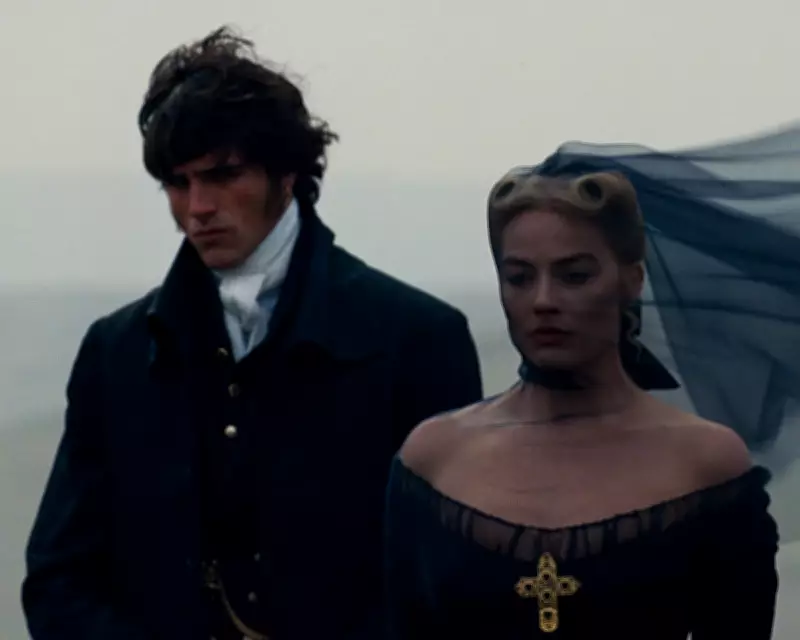
The press tour for Fennell's adaptation has emphasised the apparent quasi-romantic codependency between stars Margot Robbie and Jacob Elordi, mirroring marketing strategies employed for other major productions. This approach encourages audiences to emulate the film's theme of obsessional desire through consumption of themed products while actors perform heightened romantic tension during promotional appearances.
Critics argue that this merchandise-driven approach to curating an aesthetic of obsession fundamentally differs from Brontë's original literary exploration. While the novel meticulously examines the destructive consequences of obsessive love, the commercial campaign appears to encourage audiences to aspire toward and purchase obsession as a lifestyle accessory.
Literary Reduction and Cultural Concerns
The bleak complexity of Brontë's original vision makes these commercial endeavours particularly contentious. Many brand collaborations seem to reduce the narrative to its sexual elements while overlooking broader themes of class, race, and generational trauma—issues already under scrutiny due to the whitewashed casting of Elordi as Heathcliff.

The overtly erotic nature of numerous collaborations appears calculated to reposition the story as dark romance tailored for BookTok audiences. Official social media content employs buzzwords like "yearning" and references romance tropes popular on digital platforms, while merchandise leans into vaguely BDSM aesthetics through intimate apparel and sensual products.
Broader Cultural Context and Reader Engagement
This commercial approach reflects broader trends in literary adaptation and fan engagement, reminiscent of previous moments when popular novels generated unconventional merchandise. The phenomenon raises questions about whether artistic works should primarily function as affecting experiences rather than opportunities for commercial exploitation.
While introducing classic literature to new audiences remains valuable, the extensive merchandise campaign for Wuthering Heights highlights ongoing tensions between artistic integrity and commercial imperatives in contemporary film adaptation and marketing strategies.