Former South Korean Leader Yoon Suk Yeol Apologises Following Life Imprisonment Sentence
Former South Korean President Yoon Suk Yeol has issued a public apology for his declaration of martial law, coming just one day after he was sentenced to life in prison for the controversial action. The statement was released on Friday via his legal team, marking a significant moment in the high-profile case that has gripped the nation.
Court Ruling and Yoon's Response
On Thursday, the Seoul Central District Court found Yoon guilty of rebellion and abuse of authority related to his failed attempt to impose martial law in December 2024. The court ruled that deploying troops to the National Assembly constituted an act of insurrection. Prosecutors had initially demanded the death penalty, making the life sentence a slightly lesser, though still severe, outcome.
In his statement, Yoon expressed difficulty in accepting the court's logic, arguing that his actions were solely intended to "save the nation." He insisted that the deployment of troops to parliament was aimed at preventing lawmakers from overturning his decree, which he claimed was necessary due to threats from "anti-state forces" and North Korea.

"My judgment and decision to declare martial law on 3 December was solely for the country and the people," Yoon stated. "While it was a decision to save the nation, I deeply apologise to the people for making you experience much despair and suffering due to my shortcomings."
Details of the Case and Judicial Commentary
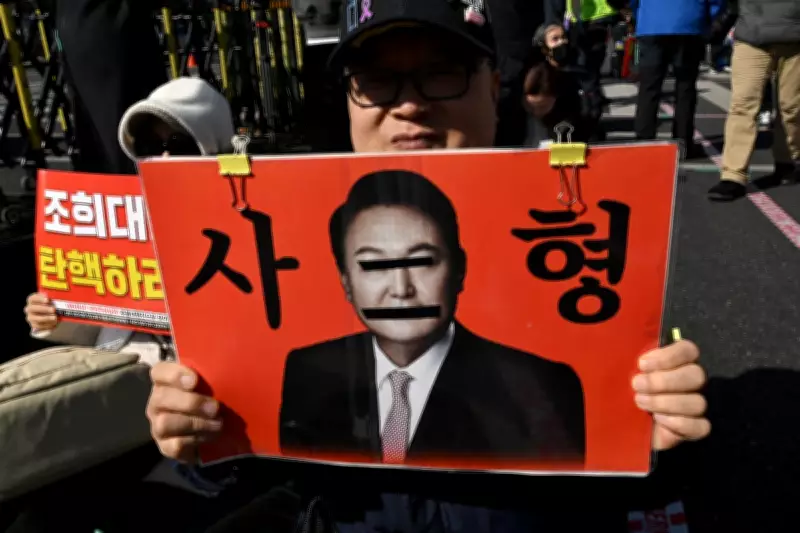
Judge Jee Kui Youn, presiding over the case, highlighted that Yoon had shown "no sign of apology for the staggering social costs incurred by the emergency martial law" prior to the sentencing. The judge also noted that Yoon had refused to appear in court multiple times without justifiable reason. The martial law declaration, which lasted only six hours before MPs regained control, plunged South Korea into deep uncertainty and triggered widespread street protests.
This ruling makes Yoon the first former South Korean leader to receive the maximum jail term, underscoring the gravity of the charges. The failed decree has been described as an illegal attempt to seize the opposition-controlled National Assembly, arrest politicians, and assume unchecked power for a considerable period.
Political Context and Further Legal Battles
Yoon, 65, has consistently denounced the charges as politically motivated, and in his latest statement, he claimed the ruling was an act of political retaliation. He warned that forces seeking to smear his actions as insurrection would only grow more rampant, using the situation to purge opponents.
Meanwhile, a prosecutor expressed some regret over the sentencing but declined to confirm whether an appeal would be filed. Yoon has been given seven days to appeal the decision himself. However, in his statement, he expressed deep scepticism about the independence of the judiciary, questioning whether continuing a legal battle through an appeal would be meaningful.
Yoon has been jailed since last July and has already received a five-year sentence on separate charges. Following Thursday's life sentence, he still faces six more trials. Additionally, his wife, former first lady Kim Keon Hee, was sentenced to 20 months in prison last month for accepting bribes in return for political favours.
Legal Team's Perspective
Yoo Jeong Hwa, one of Yoon's lawyers, clarified that the former leader's statement was merely an expression of his current state of mind and not an indication that he was waiving his right to appeal. This leaves the door open for potential further legal proceedings, though Yoon's scepticism about the judicial process casts doubt on his willingness to pursue them.
The case continues to highlight the intense political divisions and legal challenges facing South Korea, with Yoon's apology adding a new layer to the ongoing saga of his presidency and its aftermath.