Nearly thirty local authorities across the United Kingdom have formally asked to postpone their scheduled May elections, a move that has ignited a fierce political row. The majority of the councils making the request are under Labour control.
Reorganisation and Resources Behind the Requests
The push for delays is directly linked to the government's plans for local government reorganisation (LGR), specifically the merger of two-tier authorities. Councils have cited a crippling lack of resources to manage both the complex reorganisation process and the significant cost of running an election simultaneously. The financial burden of administering the vote is seen as unsustainable while also implementing Labour's structural changes.
Opposition Fury and Legal Action
The requests have been met with immediate and strong condemnation from opposition parties. The Conservatives, Liberal Democrats, and Reform UK have united in criticism, accusing the Labour Party of attempting to avoid facing voters and undermining democratic accountability.

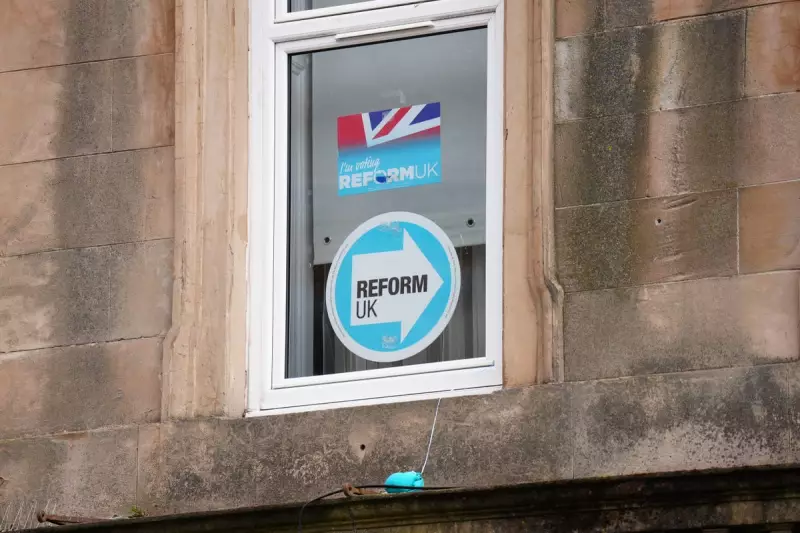
The controversy has escalated to the courts, with Nigel Farage's Reform UK announcing it has launched a judicial review to challenge the delays. The party alleges an "abuse of power" by the communities secretary, arguing the move is politically motivated rather than a necessity.
Electoral Commission Warns of Damaging Uncertainty
Adding weight to the concerns, the head of the independent Electoral Commission, Chief Executive Vijay Rangarajan, has expressed clear disappointment. He warned that postponing elections at this scale creates an "unprecedented" level of uncertainty for voters and candidates alike. Rangarajan stressed that such delays risk eroding public confidence in the democratic process itself.
The situation leaves the scheduled local elections for May 2026 in a state of flux, with the final decision on postponements now likely to be fought over in both political and legal arenas.