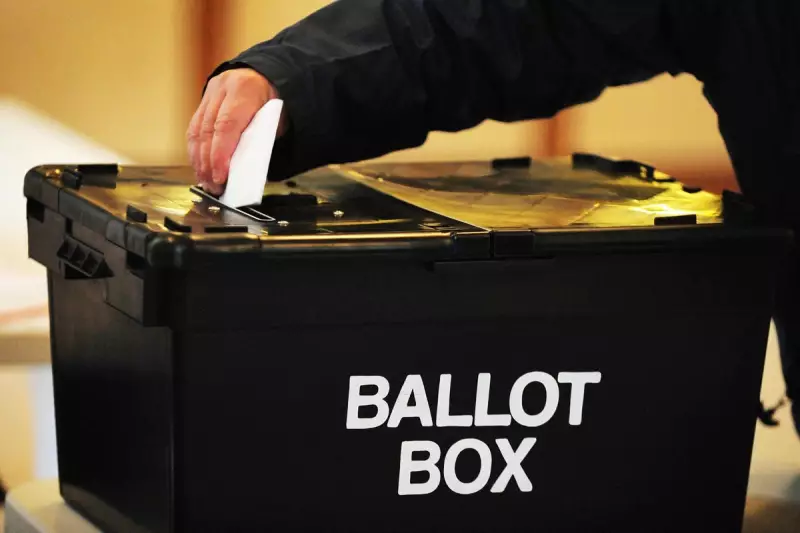
The Labour government is facing a significant political storm over plans that could see local elections for millions of voters postponed for up to a year. The controversy centres on a major overhaul of local government structures, which has led to 28 councils formally requesting to delay their ballots.
Why Are Councils Seeking to Postpone Votes?
At the heart of the issue is Labour's policy to scrap England's two-tier council system and merge authorities into larger, single unitary councils by 2028. Last month, the government indicated that 63 council areas had the potential to postpone their elections. The official reason given is that many of the merging councils lack the administrative capacity to manage both a complex reorganisation and an election simultaneously.
Consequently, ministers are expected to approve requests from 28 councils in the coming days, pushing their next elections from May of this year all the way to 2027. This move has ignited fierce criticism from opposition parties, who accuse the government of undermining democracy for political gain.

A Firestorm of Political Criticism
The proposed delays have triggered a wave of condemnation. The Electoral Commission has warned that postponing long-planned elections risks "damaging public confidence", even while acknowledging that capacity issues are a legitimate concern.
Opposition voices have been far less measured. Conservative shadow local government secretary James Cleverly accused Labour of "running scared of voters" amid poor polling numbers. He demanded that "ministers should treat voters with respect instead of disdain" and allow the elections to proceed.
The Liberal Democrats have called for a legal change to prevent ministers from delaying elections so easily. Party leader Sir Ed Davey criticised both major parties, stating the delays could allow councillors to serve "terms of up to seven years without a democratic mandate".
Perhaps the most forceful reaction has come from Reform UK and its figurehead, Nigel Farage. Farage has accused Communities Secretary Steve Reed of an "abuse of power" and launched plans for a judicial review to force the elections to go ahead. "We will use every means possible," Farage declared. The party believes Labour fears a significant loss of support to Reform in the local polls.
The Polling Context: A Nation in Political Flux
The intense political heat surrounding the delay is fuelled by startling recent polling data. A forecast by Electoral Calculus paints a dire picture for Labour if a general election were held now, suggesting the party could slump to sixth place.
Under this projection, Sir Keir Starmer would lose his St Pancras seat to the Greens, while key cabinet members like Justice Secretary David Lammy and Home Secretary Shabana Mahmood would also be defeated. The analysis suggests 16 members of Sir Keir's Cabinet could lose their seats to Reform UK.
Most dramatically, the numbers indicate that Nigel Farage could enter Number 10 with a small majority, with the Conservatives becoming the official opposition. This volatile backdrop explains why accusations of the government being "scared of the voters" have gained such traction.
The coming days will be critical as ministers make their final decision on the postponements, a move that will have profound implications for local democracy and the national political landscape.