German Politician Proposes World Cup Boycott Over Trump's Greenland Ambitions
A senior German politician has raised the provocative idea that Germany could boycott the 2026 football World Cup in the United States in protest at Donald Trump's threats to annex Greenland. Jürgen Hardt of Chancellor Friedrich Merz's ruling CDU party suggested the sporting boycott could be used as a "last resort" to pressure the White House regarding its aggressive stance towards the Danish territory.
The Political Football of International Sport
The suggestion comes as European leaders, including Britain's Keir Starmer, face a dilemma. Starmer, a well-known football enthusiast who still plays at 63, is among millions of Britons eagerly anticipating the tournament, with England and Scotland already qualified and Wales and Northern Ireland potentially joining them. Yet political leaders across Europe are desperately searching for means to apply pressure on the US administration over Greenland.
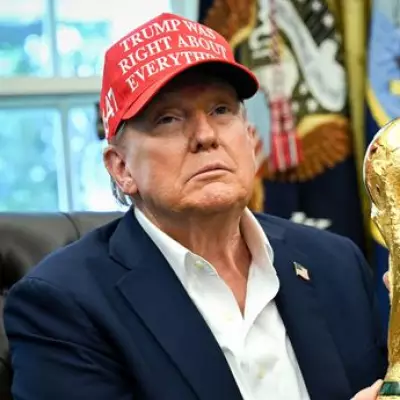
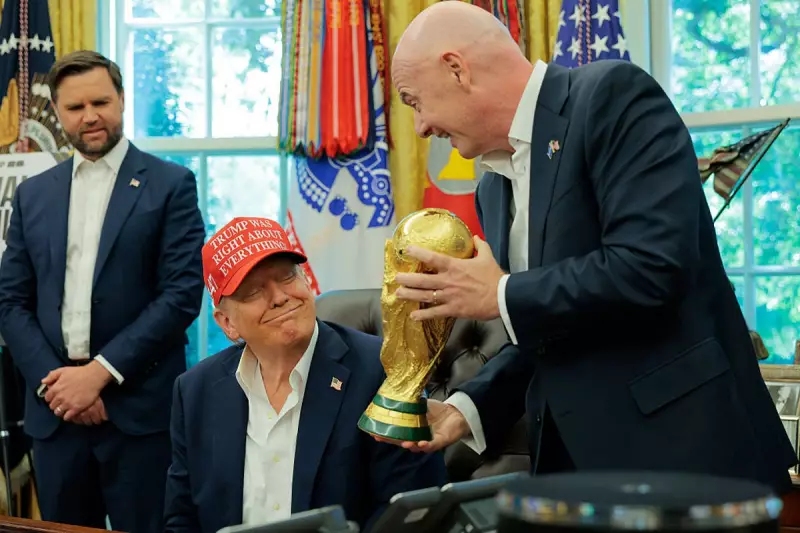
Trump has cultivated an unusually close relationship with FIFA president Gianni Infantino, ensuring the US president will be centre stage when the tournament kicks off in June. A boycott by Germany - four-time World Cup winners - or other European nations would represent a significant embarrassment to Trump during what he clearly views as a major publicity opportunity coinciding with his presidency.

Historical Precedents for Sporting Boycotts
While the notion of a mass World Cup boycott might seem far-fetched, sporting boycotts have substantial historical precedent, often with British involvement. There have been five Olympic Games boycotts, including the 1936 Berlin Olympics during Hitler's regime. The widespread global sporting boycott of South Africa from the 1960s to 1990s is widely regarded as having significantly contributed to apartheid's demise.
The United States itself led one of the most substantial sporting boycotts when it refused to participate in the 1980 Moscow Olympics following the Soviet Union's illegal invasion of Afghanistan. Then-British Prime Minister Margaret Thatcher supported this boycott, though she left the final decision to individual sports and athletes.
The Practical and Political Realities
For Keir Starmer, currently struggling with poll ratings in what might be termed the political relegation zone, joining a World Cup boycott would risk alienating millions of British football fans. The Labour leader's personal love of the game makes such a move particularly unlikely, despite the growing pressure on European leaders to respond to Trump's Greenland threats.
A 2026 World Cup without the 16 European teams scheduled to participate - including football powerhouses like England, Germany, Spain, France and the Netherlands - would be almost unimaginable. The tournament winners would be world champions in name only, significantly diminishing the competition's prestige and commercial value.
Broader Geopolitical Implications
Trump's supporters would likely argue that European withdrawal from the World Cup would merely add sport to what they perceive as the continent's increasing economic, cultural, diplomatic and military irrelevance. Meanwhile, European leaders have proposed various alternative measures, mainly involving trade reprisals, to pressure the US over Greenland.
The situation presents particular challenges for smaller nations. Denmark, which could still qualify through forthcoming play-offs, faces the question of whether any self-respecting nation could participate in a US-hosted tournament if American troops have taken control of Greenland by June. Trump is scheduled to attend America's opening match against Paraguay on June 12 in Los Angeles, potentially just as military action in Greenland reaches its conclusion.
While Hardt's proposal represents an extreme measure, it highlights the growing desperation among European leaders to find effective leverage against Trump's administration. As trade reprisals and diplomatic pressure yield limited results, the symbolic power of sporting boycotts - however unlikely their implementation - continues to resonate as a potential tool of international protest.