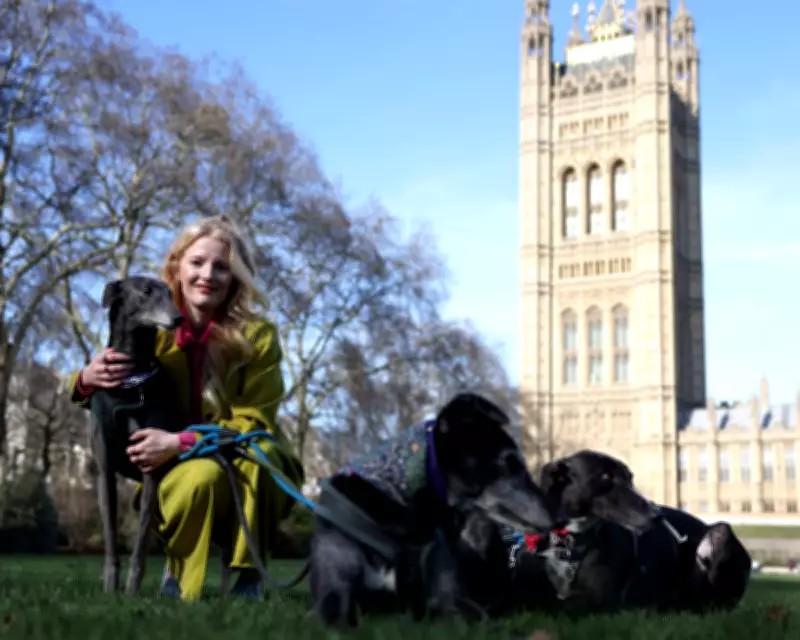
Hannah Spencer, the Green party's newly elected MP for Gorton and Denton, has launched a scathing attack on Reform UK leader Nigel Farage, accusing him of emulating Donald Trump by denying the legitimacy of her recent byelection victory. Spencer, who took her seat in Westminster on Monday, condemned Farage's unfounded claims that his party's candidate actually came first among British-born voters.
Farage's Controversial Claims
Following Spencer's decisive win with 14,980 votes—more than 4,400 ahead of Reform's second-place candidate—Farage asserted without evidence that "amongst British-born voters, Matthew Goodwin came first in their election last week. Of that, I have absolutely no doubt whatsoever." This statement came as Reform UK unveiled new policies to restrict voting rights exclusively to British citizens in parliamentary elections.
Insults to Voters and Democratic Process
Farage further inflamed tensions by criticizing Green voters themselves, stating: "I'm not sure anyone who votes Green works, but there we are." Spencer responded forcefully, declaring: "Everyone's vote is equal. Farage today is talking racist nonsense and is trying to sound like his hero Donald Trump who also tried to deny the results of an election he lost."

The new MP emphasized the secret ballot's integrity, noting Farage had spent minimal time in the constituency and couldn't possibly know who voted for Reform. "Farage has insulted the people of my constituency by saying people who voted Green don't work," Spencer added. "We won by appealing to everyone, including Reform voters, and his party were shown the door."
Pattern of Election Denial
Georgie Laming, director of campaigns at anti-extremism group Hope Not Hate, highlighted Farage's "track record of seeking to undermine elections and the wider democratic process," comparing him to his "close ally Donald Trump." Laming noted Farage has previously disputed election defeats in Oldham (2015), Peterborough (2019), and Rochdale (2024).
Analysts Question Farage's Numbers
Sunder Katwala, director of the British Future think tank, argued that Farage was attempting to delegitimize lawful voters while his numerical claims didn't add up. "The Greens would have won the election among the four-fifths of voters born in the UK, who include white and Asian voters, perhaps more by 1,000 or 1,500 votes than 5,000," Katwala explained.
Polling analysis indicated Reform and the Greens each secured about one-third of the white British vote, but Reform's appeal remained too narrow among under-40s, students, graduates, renters, and British-born minorities to challenge Spencer's substantial margin of victory.
Reform's Voting Restrictions Proposal
Reform UK's Sunday announcement included plans to significantly limit postal voting—restricting it to elderly and disabled individuals, armed forces personnel, and overseas workers—while removing Commonwealth citizens' voting rights in UK elections. The party later clarified that Irish passport holders in the UK would retain their voting privileges.
Currently, any eligible voter can choose postal voting, and Commonwealth citizens residing in the UK can participate in all election types. Reform's proposals represent a dramatic shift in electoral accessibility that has drawn criticism from democratic watchdogs and political opponents alike.
Spencer's election marks the Green party's first MP in northern England, signaling a potential realignment in regional politics as traditional party loyalties evolve. Her victory speech emphasized grassroots campaigning and broad community engagement, contrasting sharply with Farage's divisive rhetoric about voter legitimacy and participation.