How Insect Polling Sheds Light on Trump's Standing Before the US Midterms
A recent YouGov survey on insects has provided an unusual but telling comparison for American politics, revealing that Donald Trump's disapproval rating places him among some of the nation's least-liked creatures. The poll, which asked 1,148 adults about their feelings toward various insects, found that butterflies are America's favorite, with 80% of respondents expressing a positive reaction. In contrast, mosquitoes top the list of least favorites, with 86% holding negative views, followed by cockroaches at 84% and wasps at 76%.
Trump's Disapproval in the Bug World
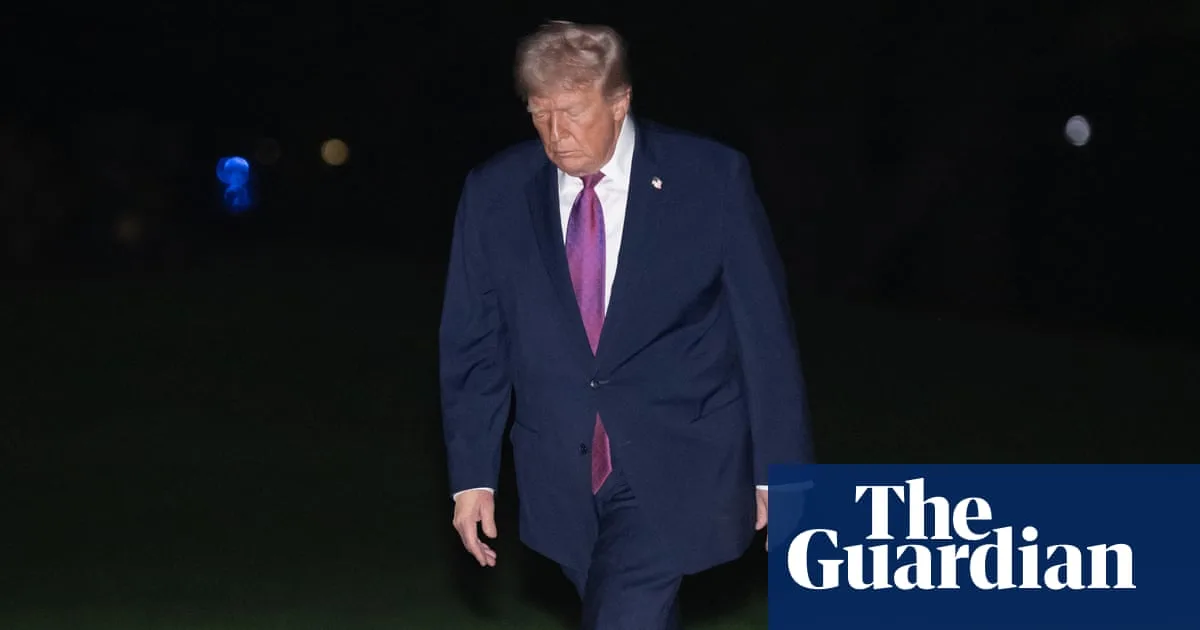
According to data from the Associated Press-NORC Center for Public Affairs Research, Trump's current disapproval rating among all Americans stands at 61%. This means he is not as unpopular as wasps but is disliked more than spiders, which have a 57% disapproval rate, and ants, at 52%. While spiders are not technically insects, the YouGov poll included them, offering a broader perspective on public sentiment. As the 2026 midterm elections approach, this comparison underscores Trump's challenging position, with all House districts, 33 Senate seats, and numerous governorships up for grabs in November.
Midterm Implications and Historical Context
In theory, presidential approval should not directly impact midterm elections, as voters are selecting members of Congress rather than endorsing the president or insects. However, Republicans hold a narrow advantage of just four seats in the House, and historical trends show that the sitting president's party often loses seats during midterms. The more unpopular a president, the greater the losses tend to be. Trump experienced this firsthand in the 2018 midterms, when Republicans lost 40 House seats, leading to Democratic control and setting the stage for his two impeachments.
Trump has reportedly expressed concern in private, warning Republicans at a policy retreat last month that losing the midterms could result in renewed impeachment efforts. If Democrats regain control, they could block Republican-led bills on issues like healthcare and launch investigations into alleged government overreach, further complicating Trump's agenda.
Financial Factors and Campaign Spending
One area where insects have no advantage is campaign finance. The Republican National Committee had $95 million in cash at the end of December, compared to the Democrats' $14 million, which was offset by $17 million in loans. Republicans are also outperforming Democrats in House and Senate fundraising, with Maga Inc, a pro-Trump Super Pac, holding approximately $304 million to spend—a figure with no Democratic equivalent. As of January 1, the Republican party had over $600 million available for the midterms, while Democrats had less than $200 million.
However, this is not the full story. Outside groups and wealthy individuals are expected to contribute around $5 billion to House and Senate races, according to AdImpact. In the 2024 election, just 100 wealthy families spent $2.6 billion, with $6.7 billion supporting Democrats and $7.6 billion backing Republicans, indicating that both sides can attract significant funds.
Trump's Public Persona and Future Outlook
Despite private worries, Trump has publicly projected confidence, claiming on Truth Social earlier this month that he has "the highest poll numbers I have ever received." He attributed this to a strong economy, though no evidence supports his assertion. In the coming months, Trump will likely focus on improving his poll numbers, as the midterms could determine his political future. As the insect poll suggests, he faces an uphill battle, with ants and spiders serving as a metaphor for his need to boost popularity.
Ultimately, while polling on insects offers a quirky lens, it highlights broader political dynamics. The 2026 midterms will test whether Trump's disapproval rating translates into electoral losses, with financial resources and voter sentiment playing critical roles in the outcome.