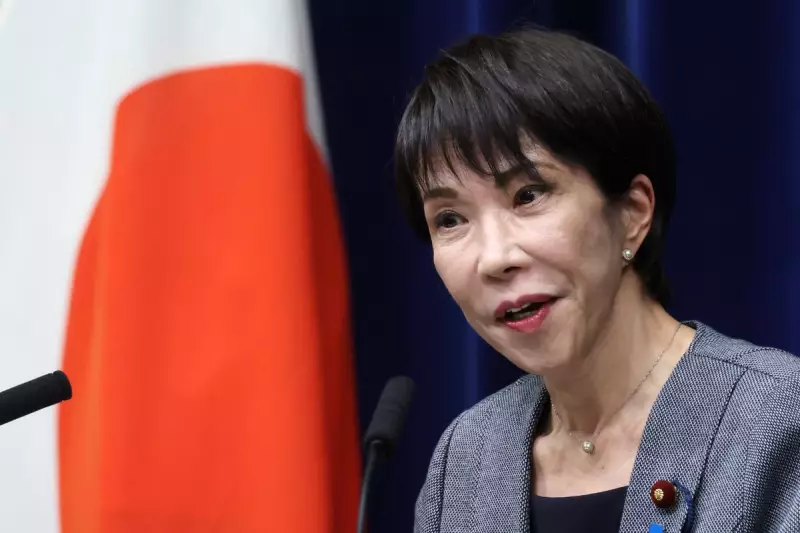
In a bold political move, Japanese Prime Minister Sanae Takaichi has announced she will dissolve parliament and call a surprise national election for 8 February 2026.
A Gamble for a Stronger Mandate
The snap poll represents Prime Minister Takaichi's first major electoral test since she took office in October 2025. She inherited a fragile political situation, with her long-dominant Liberal Democratic Party (LDP) having lost its parliamentary majority. Analysts suggest Takaichi is aiming to capitalise on her current strong public approval ratings to secure a decisive victory. A win would restore the LDP's majority in the powerful lower house, significantly strengthening her hand to pass legislation and pursue her policy agenda.
Key Issues and the Political Landscape
The campaign is expected to be dominated by pressing domestic and international concerns. Foremost among voter anxieties is the rising cost of living, which a recent poll indicated was the main concern for 45 per cent of respondents. This economic pressure will be a critical battleground. Alongside this, debates on diplomacy and national security, including plans for increased defence spending, will feature prominently.

The electoral arithmetic is finely balanced. The LDP currently holds 199 of the 465 seats in the lower house and governs in coalition with the Japan Innovation Party. Facing them is a newly formed main opposition bloc, the Centrist Reform Alliance, which commands 172 seats.
What a Victory Would Mean
A successful outcome for Prime Minister Takaichi would provide her with a clear public mandate and end the period of minority government. This would grant her greater authority to implement key policies focused on bolstering Japan's defence capabilities and stimulating economic growth. The election on 8 February will ultimately determine whether her early gamble to seek a fresh mandate from the public pays off, setting the course for Japanese politics for the coming years.