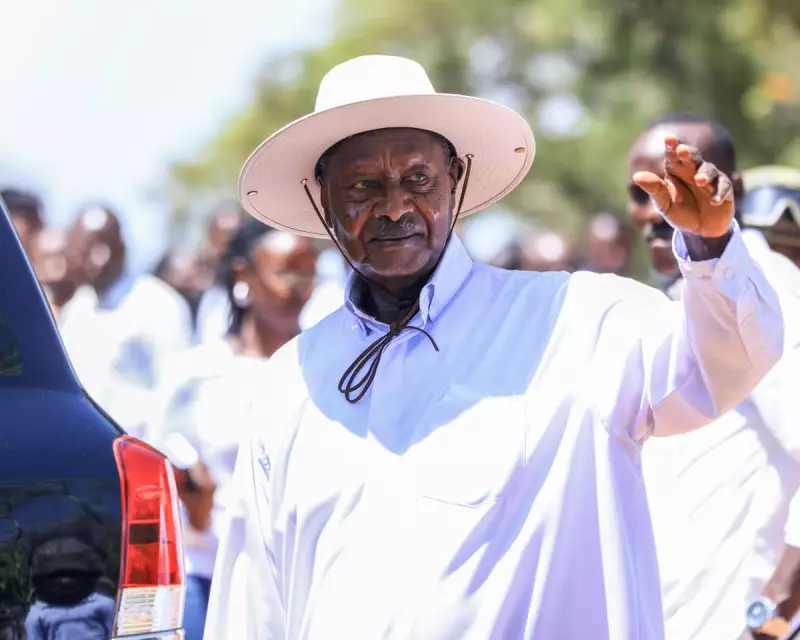
Uganda's long-standing leader, Yoweri Museveni, has been declared the winner of the country's presidential election, securing a seventh term in office amidst an internet blackout and serious allegations of electoral malpractice.
Contested Victory and Allegations of Irregularities
State election authorities announced that Museveni, 81, won more than 70% of the vote. His main challenger, the popular musician and opposition figure Robert Kyagulanyi, widely known as Bobi Wine, immediately rejected the outcome. Wine condemned what he labelled "fake results" and called for peaceful public protests to demand the release of what he believes are the rightful figures.
Wine's campaign detailed a series of alleged irregularities that marred the poll. These included the widespread failure of biometric voter identification machines in urban areas, which are traditional opposition strongholds. Electoral officials subsequently resorted to using manual voter registers, a move endorsed by Museveni but which Wine claimed facilitated "massive ballot stuffing" and favouritism towards the incumbent's party.

Security Forces Raid and Post-Election Clashes
The election period was marked by a significant security crackdown. Bobi Wine alleged that he was forced to flee his home to escape arrest after security forces raided it on Friday, cutting power and disabling CCTV cameras. Ugandan police stated he was not arrested but that they were restricting access to his neighbourhood to prevent unrest.
Despite an internet shutdown intended to curb dissent, the voting day passed with relatively few major incidents. However, police reported a clash in central Uganda where seven people died after officers fired in what they described as self-defence against opposition "goons". A local MP contested this account, claiming security forces killed 10 people at his residence.
A Leader's Long Grip on Power
This victory extends Yoweri Museveni's rule to over four decades, making him the world's third-longest-serving non-royal national leader. Since coming to power in 1986, he has overseen a period of stability and economic growth, but has also systematically dismantled obstacles to his continued rule. This includes removing presidential term and age limits from the constitution and jailing political opponents.
Rights monitor Freedom House categorises Uganda as "not free", noting that while elections are held regularly, they are not considered credible. The country has not witnessed a peaceful transfer of power since gaining independence from Britain sixty years ago. As Museveni prepares for another five-year term, the allegations of fraud and the suppression of dissent cast a long shadow over Uganda's democratic credentials.