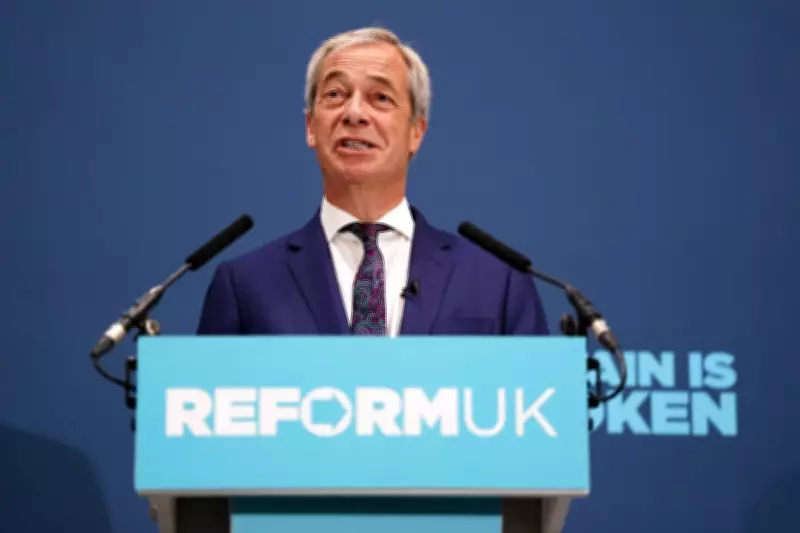
Reform UK Announces Sweeping Electoral Reform Proposals Following By-Election
Reform UK has unveiled a comprehensive set of proposals for electoral reform, which include significant restrictions on postal voting and the removal of voting rights for Commonwealth citizens. The policy announcement comes in the wake of a recent by-election result and is rooted in party leader Nigel Farage's firm belief that allowing non-British citizens to participate in elections undermines national sovereignty.
Postal Voting to Face Severe Limitations Under New Plans
Outlining the party's intentions in the Sunday Telegraph and the Mail on Sunday, Nigel Farage asserted that postal voting has turned the United Kingdom's elections into a laughing stock. He described the current system as absurd and claimed it facilitates fraud, intimidation, and outright cheating. Under Reform UK's proposed changes, postal voting would be drastically limited to specific groups only:
- The elderly
- Disabled individuals
- Serving armed forces personnel
- Those working overseas during an election period
This represents a stark contrast to the existing framework, which permits any eligible voter to cast their ballot by post without such restrictions.

Commonwealth Citizens to Lose Voting Rights in UK Elections
Furthermore, Reform UK aims to strip Commonwealth citizens of their right to vote in all types of UK elections. Currently, Commonwealth citizens who qualify as residents can participate fully in the electoral process, a provision that the party seeks to abolish entirely. A spokesperson for Reform UK confirmed that these changes would not affect Irish citizens, who retain their voting rights in parliamentary elections under separate arrangements.
The policy stems from Mr Farage's conviction that allowing Commonwealth citizens to vote shifts the focus of elections from domestic issues to international concerns, thereby eroding national sovereignty. According to 2012 estimates from the Office for National Statistics, approximately 1.2 million Commonwealth nationals were residing in the UK at that time.
Farage's Strong Criticism of Current Electoral Systems
Mr Farage stated emphatically: For too long, postal voting has allowed our elections to be turned into a laughing stock, riddled with fraud, intimidation and outright cheating. It's been allowed to go on for years and has poisoned trust in our democracy. He added: Meanwhile, allowing non-Brits – people with zero connection to this country – to vote on our future is absurd. It is right that only British citizens should be able to vote in British parliamentary elections.
He concluded by affirming that a Reform government would immediately ban wholesale postal voting and ensure that only British citizens can vote in elections, with the goal of restoring trust in British democracy.
By-Election Fraud Allegations Prompt Reform UK's Action
The announcement follows Reform UK's request for police to investigate allegations of election fraud in the Gorton and Denton by-election this week. Election observer group Democracy Volunteers reported witnessing concerningly high levels of family voting, an illegal practice where two voters use a single polling booth and potentially influence each other's choices.
Mr Farage pledged to take decisive action after the next general election if no measures are implemented to address these allegations. He remarked: If this is what was happening at polling stations, just imagine the potential for coercion with postal votes.
Political Reactions and Historical Context of Postal Voting Criticisms
Tory party chairman Kevin Hollinrake described the allegations of family voting as deeply concerning but criticized Reform UK's plans as a headline-grabbing exercise. He argued: Rushing to impose sweeping bans on postal voting is a kneejerk reaction that risks disenfranchising pensioners, disabled people and overseas British citizens who rely on postal ballots to have their say. Hollinrake emphasized the need for proportionate, evidence-based reforms rather than measures that could exclude law-abiding voters.

Nigel Farage has a history of criticizing postal voting following electoral defeats. When his former party, Ukip, lost the Oldham West and Royton by-election in 2015, he alleged postal vote abuse and questioned election conduct in constituencies with large ethnic minority communities. Similarly, after the Brexit Party's loss in the Peterborough by-election in 2019, Farage again denounced the postal vote system, though a legal challenge was later withdrawn.
Reform UK MP Richard Tice also questioned the validity of postal ballots when his party's candidate lost the Rochdale by-election in 2024, urging it to serve as a serious wake-up call. However, in none of these instances was postal voting fraud ever proven, and no convictions resulted.
Official Data and the Broader Implications
The latest Electoral Commission data from 2024 indicates no evidence of large-scale election fraud in the UK, with 94% of allegations resolved locally through words of advice or resulting in no further police action. Despite this, Reform UK's proposals highlight ongoing debates about electoral integrity, sovereignty, and the balance between accessibility and security in democratic processes. The party's push for reform underscores a persistent tension in UK politics regarding who should have a voice in shaping the nation's future.