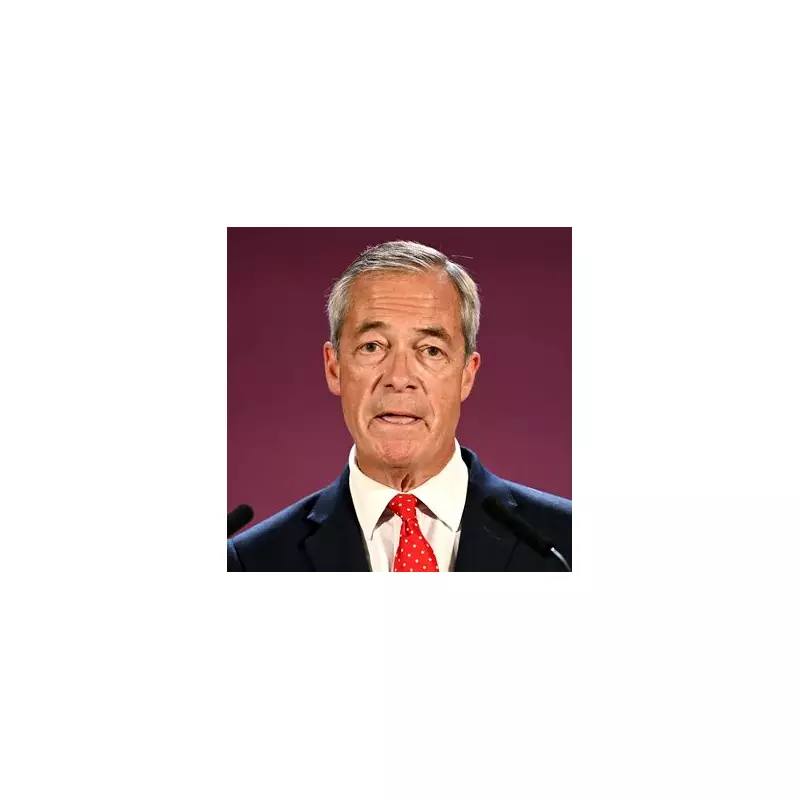
As Nigel Farage sets his sights on Number 10, his party, Reform UK, has unveiled a sweeping policy platform that promises to radically reshape the British state. From unprecedented cuts to public spending to a fundamental overhaul of the NHS and immigration system, the proposals mark a stark departure from the political status quo.
Radical Economic and Public Service Reforms
At the heart of Reform's economic plan is a pledge to reduce the size of the state to just 35% of GDP. Deputy leader Richard Tice stated this ambition would necessitate public spending cuts of nearly £300 billion, based on current figures. The party has not detailed where these vast reductions would fall, but critics, including former Prime Minister Gordon Brown, warn that schools and hospitals would likely bear the brunt.
The National Health Service is directly in the firing line. Reform has suggested cutting NHS funding by £26 billion and offering tax breaks to incentivise private healthcare for those who can afford it. More fundamentally, Nigel Farage has expressed openness to replacing the tax-funded model with an insurance-based system. While not committing to a specific plan, he has repeatedly stated the current model "doesn't work" and that he is "thinking about all the options."

On taxation, Farage has faced accusations of plotting a "golden ticket for foreign billionaires" through a proposed 'Britannia Card'. This scheme would allow wealthy overseas individuals to pay a one-off fee of £250,000 to gain 'non-dom' status, shielding their foreign earnings and inheritance from UK tax. Tax expert Dan Neidle estimates this could cost the Treasury £35 billion over five years in lost revenue.
Immigration, Net Zero, and Workers' Rights
Reform's immigration policy includes one of its most controversial pledges: abolishing Indefinite Leave to Remain (ILR). The party's head of policy, Zia Yusuf, confirmed this would mean no new awards and the rescinding of existing status, potentially leading to hundreds of thousands of legal migrants losing their settled status and facing deportation. Prime Minister Keir Starmer has branded the policy "racist".
The party has also declared it will "wage war" on net zero targets, threatening what Labour analysis suggests could be over 950,000 jobs in clean energy industries. As part of this, Reform wants to allow widespread fracking for shale gas, dismissing environmental and seismic concerns. Richard Tice has labelled the scientific consensus on man-made climate change as "garbage", a stance at odds with a recent YouGov poll showing 60% of the public support the UK's green pledges.
Further deregulation is proposed for the online sphere and the workplace. Reform plans to scrap the Online Safety Act, which protects children and adults online, though Farage has admitted he does not know what would replace it. The party also intends to repeal the newly-passed Employment Rights Act in its entirety, which would remove new rights including day-one paternity leave, sick pay from the first day of illness, and bans on exploitative zero-hours contracts.
International Relations and Potential Fallout
Reform's platform risks significant international friction. The party plans to renegotiate the Brexit deal to strip EU citizens of benefits claims in the UK, a move likely to be rejected in European capitals. Unilateral action by a Reform government could trigger a trade war with the European Union.
Despite leading in some polls, Nigel Farage's personal approval rating stood at -4 in Mirror polling last week, indicating a trust deficit. As the political battle for 2026 heats up, the debate over these policies will centre on their economic viability, social impact, and the profound transformation they envisage for the United Kingdom.