Reform's Northern Push Meets Resistance in Manchester Constituency
In the heart of Greater Manchester, the upcoming by-election in the Gorton and Denton constituency has become a flashpoint for national political tensions. With Reform UK mounting an aggressive campaign to capture traditionally Labour territory, residents are grappling with divisive rhetoric that threatens community cohesion.
Denton's Mixed Sentiments Reflect National Divide
Market Square in Denton presents a microcosm of contemporary British politics. Mike Mathews, a 58-year-old public sector worker walking his English bulldog Frankie, expresses sympathy for Labour leader Keir Starmer while acknowledging political fatigue. "We endured 14 years of corrupt PPE contracts, Partygate scandals, and Michelle Mone controversies," Mathews observes. "Now someone buys Starmer glasses, and it's treated as equivalent. The comparison seems disproportionate."
Like many undecided voters, Mathews is primarily concerned with preventing Reform's advancement. "I'm waiting to see which candidate can most effectively block Reform," he reveals. "Their true nature remains unclear to some voters."

Labour's Counteroffensive in Vulnerable Territory
Labour has deployed numerous senior figures to reinforce their historical connections to the region. The constituency presents complex demographics: while Denton shows susceptibility to Reform's messaging, areas like Longsight, Gorton, Levenshulme and Burnage maintain strong Irish communities alongside third-generation Asian populations and international students.
Labour candidate Angeliki Stogia, meeting supporters at Cha Cha Chai in Longsight, emphasizes the election's national significance. "This represents an extremely dangerous moment with potential consequences across Britain," Stogia warns. "Reform demonstrates no genuine concern for Gorton and Denton residents—they merely seek to exploit them for spreading hatred."
Stogia, born in Greece but now proudly Mancunian after three decades in the city, takes Reform's campaign personally. "Their suggestion that UK-born individuals from diverse backgrounds cannot be truly British insults numerous constituents," she states.
Personal Stories Highlight Immigration Anxiety
The human impact of Reform's rhetoric emerges through poignant encounters. Stogia recounts meeting a mother originally from Bangladesh who arrived in Britain at age four. "She was constructing a house extension while weeping uncontrollably," Stogia describes. "She asked why she should continue building if she might be forced to return to Bangladesh, where she knows nobody. Reform will never comprehend this constituency's diversity because they lack genuine interest. They prioritize division over addressing practical needs like home repairs."
Reform's Controversial Candidate and Messaging
Reform's candidate Matt Goodwin, endorsed by former English Defence League leader Tommy Robinson, promotes extreme positions even within his party's spectrum. He frequently references 'Great Replacement' conspiracy theories predicting white demographic displacement by 2063 and argues that British citizenship requires more than legal documentation.
Goodwin claims Manchester shaped his identity, citing family connections to local industry and education. However, his campaign specifically targets Denton, where he previously researched far-right activity as an academic.
Historical Grievances and Political Scars
Local frustrations extend beyond immigration debates. Residents reference the 'Trigger Me Timbers' WhatsApp group scandal involving former Labour MP Andrew Gwynne, exclusion of Greater Manchester Mayor Andy Burnham from candidacy, winter fuel allowance reductions, disability benefit cuts, and historical disappointments with figures like Peter Mandelson.
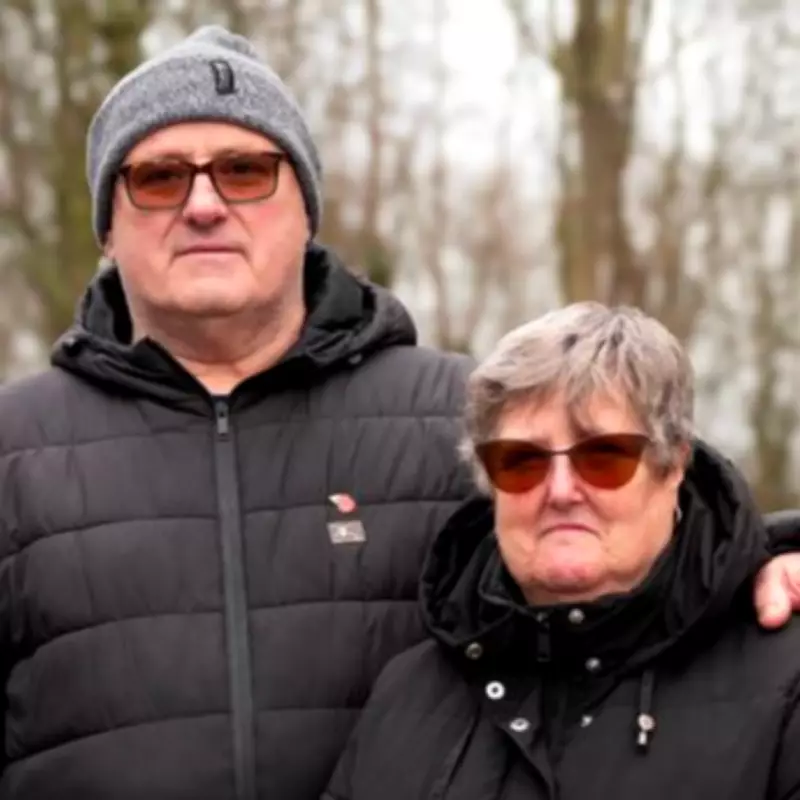
At Crownpoint North shopping centre, veteran Tom Sanderson, 69, and his wife Irene, 66, express political disillusionment. "At least Boris Johnson would look you directly in the face while lying," Tom remarks, capturing widespread cynicism toward all political establishments.

Manchester's Tradition of Unity Versus Division
Stogia contrasts Reform's divisive approach with Manchester's historical resilience. "When tragedy strikes—whether the 1996 IRA bombing, last year's Heaton Park incident, or the 2017 Manchester Arena attack—this city unites across all communities regardless of residency duration," she emphasizes.
At Hyde Road's Hide Out Youth Zone, where Stogia tours with Labour's Lisa Nandy, a wall displays hand-drawn flags representing members' heritage: Ivory Coast, Ireland, Angola, Jamaica, Burundi, Pakistan, South Africa, Nigeria, Barbados, Bahamas, Romania and Trinidad and Tobago. Alongside these symbols of diversity hangs the Manchester bee emblem—a 150-year-old symbol of industry that transformed into a powerful representation of unity after the arena attack.
"Should these children not be here?" Stogia asks, gesturing toward youngsters playing pool, football, and completing homework. "This city understands Labour supports it. We must accelerate our efforts, and I hope residents provide me that opportunity."
As the by-election approaches, Greater Manchester's social fabric faces another test. While Reform targets discontent with promises to "send people home," Labour emphasizes community solidarity forged through shared challenges. The outcome may signal whether divisive politics can fracture historically resilient communities or whether Manchester's tradition of unity will prevail once more.