Scotland's Political Landscape at a Crossroads
As Scottish voters prepare to head to the polls in May for the seventh Holyrood election since devolution in 1999, the political atmosphere is charged with uncertainty and shifting allegiances. The Scottish National Party (SNP), having governed for an impressive 19 years since 2007, now faces a critical test as polling indicates a weakening of public trust in its ability to deliver on promises. This election could significantly realign Scotland's political dynamics, with major parties grappling with unique challenges and opportunities.
The SNP: Dominance Under Scrutiny
The SNP enters this contest from a position of prolonged incumbency, yet without the enthusiastic support that once defined its campaigns. After nearly two decades in power, voters are increasingly judging the party on its track record rather than future pledges, particularly highlighting failures to outline a credible path to a second independence referendum. Despite these hurdles, the SNP continues to poll favorably, though broader indicators reveal declining confidence in Scottish public services and governance.
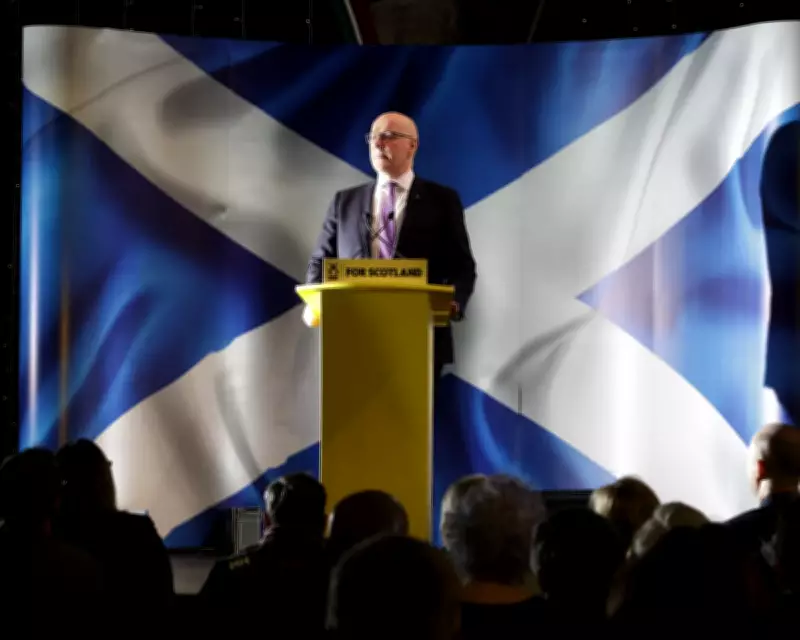
John Swinney's leadership has provided stability following the rapid resignations of Nicola Sturgeon and Humza Yousaf, but grassroots activism appears thinner than in previous years. As noted by observers, only the most dedicated supporters are engaging in traditional campaigning activities like leafleting, signaling a potential erosion of the party's once-vibrant activist base.
Labour's Dual Identity Crisis
Scottish Labour confronts a complex dilemma: operating as an opposition force in Holyrood while bearing the brunt of dissatisfaction with the Westminster government led by Keir Starmer. On the doorstep, anger is palpable over policies such as winter fuel payment adjustments, the two-child benefit cap, and disability benefit reductions, even after some U-turns. Anas Sarwar's recent call for Starmer to resign, which left him isolated without backing from other senior Labour figures, underscores the internal tensions and risks of appearing disloyal.
However, Labour may find solace in its organizational strength. With substantial funding and a well-coordinated ground operation, the party demonstrated its capability in the Hamilton byelection, where it outperformed both the SNP and Reform UK despite visible frustration with Westminster politics.
Reform UK's Strategic Ascent
Reform UK is emerging as a significant player in Scottish politics, polling second to the SNP and aiming to translate this support into elected representation at Holyrood for the first time. Early defections from the Scottish Conservatives, particularly in the Brexit-supporting north-east and post-industrial central belt, highlight Reform's appeal in areas with strong conservative traditions or economic grievances.
The party has invested heavily, earmarking £1 million for its Scottish campaign and appointing Malcolm Offord, a multimillionaire financier from Greenock, as its new Scottish leader to bolster local credentials. Reform seeks to capitalize on voter feelings of being overlooked on issues like immigration and gender recognition, though it remains uncertain whether this investment will yield parliamentary seats.
Smaller Parties and Tactical Dynamics
The Scottish Greens, now led by Ross Greer and Gillian Mackay, face challenges after their governing partnership with the SNP collapsed, complicating their radical image. Meanwhile, the Scottish Conservatives, under Russell Findlay, struggle with an identity crisis and pressure from Reform on their right flank, having lost the unifying "stop independence" message that previously drove electoral gains.
In this proportional system, smaller parties like the Liberal Democrats could gain leverage, especially if the election results in another SNP minority government. A notable trend is the rise of tactical voting, with polls suggesting majorities of both Labour and SNP supporters are willing to vote against their usual preferences to block Reform's advance, indicating that fear and prevention may outweigh hopeful endorsements.
Conclusion: A Contest Defined by Constraints
May's election is shaping up as a battle where nearly every party is burdened—by incumbency, Westminster unpopularity, organizational weaknesses, or ideological confusion. The outcome may hinge less on positive appeals and more on voter fatigue, tactical calculations, and efforts to prevent undesirable results. As Scotland's sophisticated electorate, shaped by years of referendums and varied voting systems, prepares to decide, the future of the nation's politics hangs in a delicate balance, poised for potential realignment.