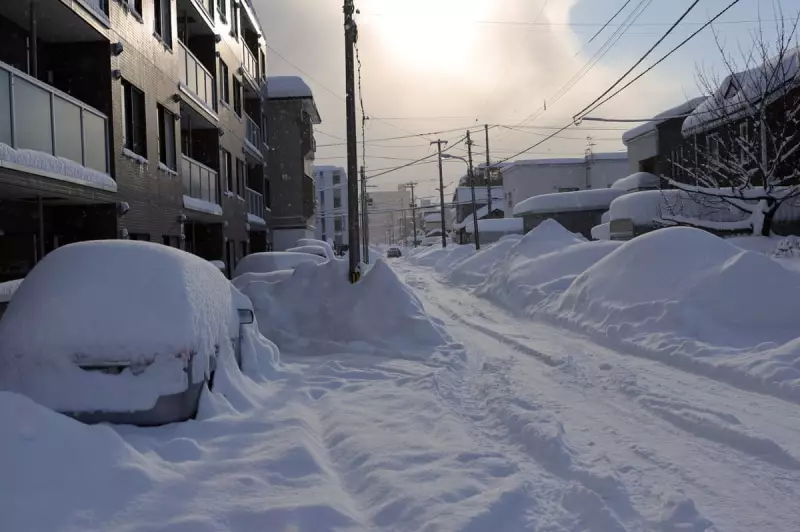
Japan's Snap Election Confronts Winter's Wrath as Snow Piles Up
In a bold political move, Prime Minister Sanae Takaichi has called a snap general election for Japan, but the decision is now shrouded in controversy as bitter winter weather threatens to undermine voter participation. With the vote scheduled for 8 February, regions across the country, particularly in the north like Sapporo and Aomori prefecture, are grappling with record snowfall that has already claimed lives and disrupted campaign preparations.
Logistical Nightmares and Safety Concerns
The timing of this election, coming just 16 days after the dissolution of the lower house—the shortest gap in living memory—has compounded logistical headaches. Local municipalities are struggling to arrange polling stations, forcing employees into overtime. Authorities in Aomori have slashed the number of billboards from 621 in last year's summer elections to a mere 97, as heavy snow buries campaign posters and obscures candidate information.
Adding to the chaos, security measures introduced after the 2022 assassination of Shinzo Abe are clashing with winter necessities. Police have warned that kairo pocket warmers, essential for braving the cold, could trigger metal detectors at campaign events. This has led to calls for female officers and staff to handle body checks, further complicating the electoral process.

Voter Apathy and Political Shifts
Observers fear that a combination of freezing temperatures, Takaichi's high approval ratings, and a fragmented opposition could fuel voter apathy, a persistent issue in Japanese elections. Non-fiction writer Satoru Ishido noted, "This time, all the conditions for a low voter turnout are in place." The Liberal Democratic Party (LDP) faces additional hurdles as it can no longer rely on its former coalition partner Komeito for grassroots support, forcing it to appeal to non-aligned voters who may be less inclined to participate in harsh weather.
Internal Affairs Minister Yoshimasa Hayashi has urged local authorities to prepare for heavy snowfall on election day, warning of potential delays in distributing polling booth admission tickets. In response, the ministry has launched a task force to promote mobile polling stations and transport options, aiming to mitigate the impact on turnout.
Generational and Regional Divides
Interestingly, younger voters appear more resilient to the cold, with over 58% of those in their 20s and 30s comfortable with the election timing, compared to 47.5% of older demographics. This trend could benefit smaller parties like Sanseito, which has gained traction among youth with its strict immigration policies. However, in snow-heavy north-east Japan, 61% oppose the February timing, highlighting regional discontent.
Prime Minister Takaichi has acknowledged the challenges, expressing gratitude to voters in snowy areas for their efforts. As Japan braces for this historic winter election, the outcome may well be shaped not just by political agendas, but by the relentless forces of nature.