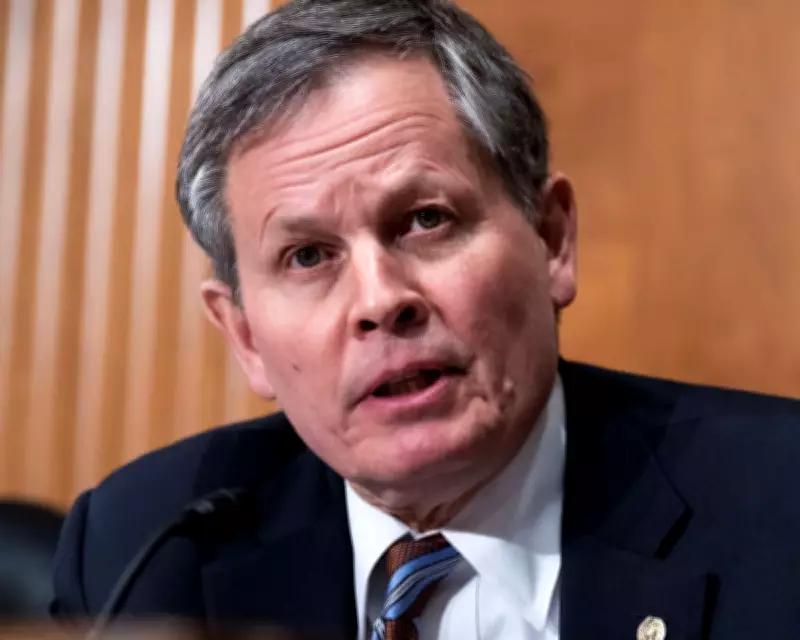
In a surprising political development, Republican US Senator Steve Daines of Montana has abruptly withdrawn his bid for re-election to a third term. The announcement came on Wednesday, just minutes before the official deadline for candidates to file with the Montana secretary of state's office for the upcoming November election.
Daines Confirms Resignation and Decision
Daines confirmed his resignation in a formal statement, ending months of deliberation over his political future. He expressed that after extensive reflection, he had concluded not to seek another term, emphasizing a desire for fresh leadership in the Senate.
"After wrestling with this decision for months, I have decided I will not seek re-election," Daines stated. "It is time for new leaders like Tim Sheehy to spearhead the fight for Montana in the United States Senate." This endorsement highlights a strategic shift within the Republican Party in Montana, as Daines steps aside to support Sheehy's candidacy.

Timing and Political Context
The withdrawal occurred on a day marked by significant political activity in Montana. Shortly before the deadline, Montana US attorney Kurt Alme, also a Republican, entered the race, adding to the competitive landscape. Additionally, former University of Montana president Seth Bodnar launched an independent campaign for Daines's seat, further diversifying the field of candidates.
These moves underscore the dynamic and unpredictable nature of the upcoming Senate election in Montana, with multiple contenders now vying for the position. Daines's decision to drop out at the last minute has reshaped the race, potentially influencing voter perceptions and party strategies in the months leading up to the election.
Implications for Montana and National Politics
Daines's withdrawal raises questions about the future direction of Republican representation in Montana and its impact on national Senate dynamics. His endorsement of Tim Sheehy suggests a concerted effort to maintain conservative leadership in the state, while the entry of independent and other Republican candidates could lead to a highly contested election.
As the political landscape evolves, observers will closely monitor how this development affects campaign strategies, voter engagement, and the overall balance of power in the US Senate. Daines's departure marks the end of an era for Montana politics, paving the way for new figures to emerge and shape the state's political future.