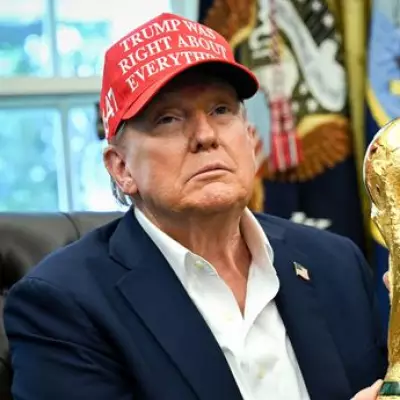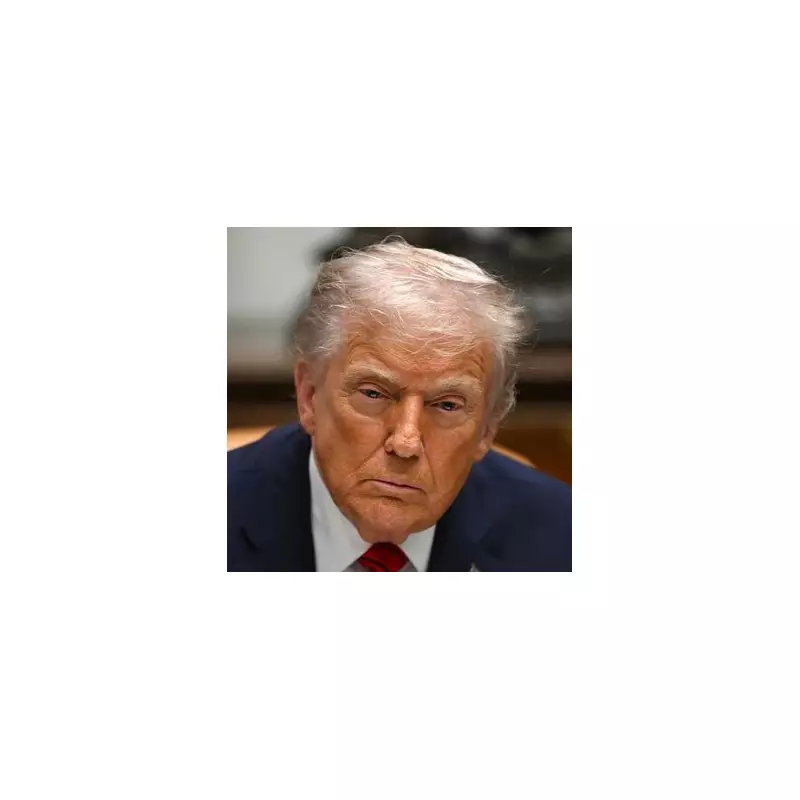
As Donald Trump marks the first anniversary of his historic return to the White House, the United States stands fractured and the world order teeters, a direct consequence of a presidency defined by personal ambition over public duty. The grand promises of dominance, discipline, and delivery have given way to a stark reality of recklessness, shattered pledges, and an ego that has placed the nation's democratic institutions under unprecedented strain.
A World Order Unravelled: Alliances and Sovereignty Under Fire
On the global stage, President Trump's most damaging legacy may be the systematic dismantling of alliances built over generations. His approach to NATO has transformed the concept of collective defence into a transactional protection racket, with repeated suggestions that American guarantees are conditional. This stance has sown deep anxiety in European capitals and offered a clear signal of encouragement to adversaries.
The president's foreign policy, which he boasts has "ended wars," is revealed under scrutiny as a series of high-risk gambits. In the Middle East, he has claimed credit for de-escalation without securing durable peace, reducing complex diplomacy to headline-grabbing deal-making. His audacious attempt to claim Greenland, framed as strategic leverage, was widely interpreted by allies as diplomatic blackmail, confirming long-held fears that under Trump, national sovereignty is merely a commodity.

The most brazen exercise of power came with the intervention in Venezuela. Authorising a direct operation to remove Nicolás Maduro, Trump brushed aside international law, treating a sovereign nation's vast oil reserves as a problem to be solved by unilateral force. This act cemented a global perception of an America unmoored from the rules-based order it once championed.
Domestic Turmoil: Economic Pain and Institutional Demolition
At home, the disruption has been equally severe. Trump's detonation of the global trade system with sweeping tariffs, imposed under constitutionally contested authority, has backfired spectacularly. Promises of a manufacturing revival and cheaper living have collapsed. Instead, inflation has climbed, supply chains have buckled, and households have absorbed the shock.
Polls indicate around two-thirds of Americans now disapprove of his economic management. Job growth has slowed, manufacturing has shed tens of thousands of positions, and unemployment has risen—a trend Trump openly links to his mass dismissal of federal workers. These purges have been both ideological and structural, with agencies like the Department of Education effectively abolished and USAID gutted to a shell.
Legislatively, the passage of the so-called "One Big Beautiful Bill" slashed taxes and ripped up climate initiatives while cutting health programmes, leading to soaring premiums. On immigration, the administration's harsh stance has seen refugee programmes shut, asylum routes closed, and over 600,000 deportations recorded since January, tearing communities apart.
The Unfulfilled Vow: The Epstein Files and a Promise of Transparency Broken
Perhaps the most politically toxic scandal of this second term centres on Trump's catastrophic handling of the Jeffrey Epstein files. Returning to office, the president publicly pledged full transparency and the release of all government records related to the convicted sex offender, a man he once called a friend. That promise lies in ruins.
Despite a legal requirement for disclosure, the Trump-controlled Department of Justice has failed to release vast tranches of material. Congressional committees have met with resistance and accusations that the administration is slow-walking disclosures to shield sensitive information. For a president who built his brand on accusations of "deep state" cover-ups, the optics are devastating. Critics and victim advocates assert the files are being hidden to protect Trump and other powerful figures named within, a charge the White House denies but cannot dispel.

His governing style remains performative and extreme, boasting of ignoring checks and balances. Federal data shows he has issued more executive orders in one year than any recent predecessor, with many measures now bogged down in legal challenges he dismisses as persecution.
The Reckoning Ahead: Midterms and the Threat of Collapse
The year 2026 now looms as a potential existential threat. The midterm elections in November present a severe danger. Historically punishing for the incumbent party, Trump has worsened the odds through economic pain and scandal. Polling suggests a restless electorate may hand Congress back to the Democrats.
Should Democrats regain the House or Senate, the consequences would be immediate and severe. A flood of congressional investigations and subpoenas would follow, with the Epstein files and questions of abuse of power returning to centre stage. Most significantly, impeachment would transform from a symbolic threat to a real possibility. A third impeachment, backed by Democratic majorities, could lead to conviction and removal from office.
After one year, the record is clear. Alliances are weaker, the nation is viewed as unstable, transparency vows are broken, and domestic unrest simmers. Trump sells chaos as control and declares victories where none exist. The pressing question for 2026 is no longer if he will test the limits of power, but whether the strained institutions of American democracy will finally push back, revealing the fragility of a system under the weight of presidential excess.