Nearly One Quarter of UK Voters Express Regret Over 2024 General Election Ballot Decisions
A significant new opinion poll has uncovered that almost a quarter of British voters now believe they cast their ballot incorrectly during the July 2024 general election. The comprehensive survey, conducted by Savanta, indicates that 23 per cent of those who participated in the election feel they made the wrong decision when filling out their voting paper.
Labour Supporters Show Highest Levels of Electoral Remorse
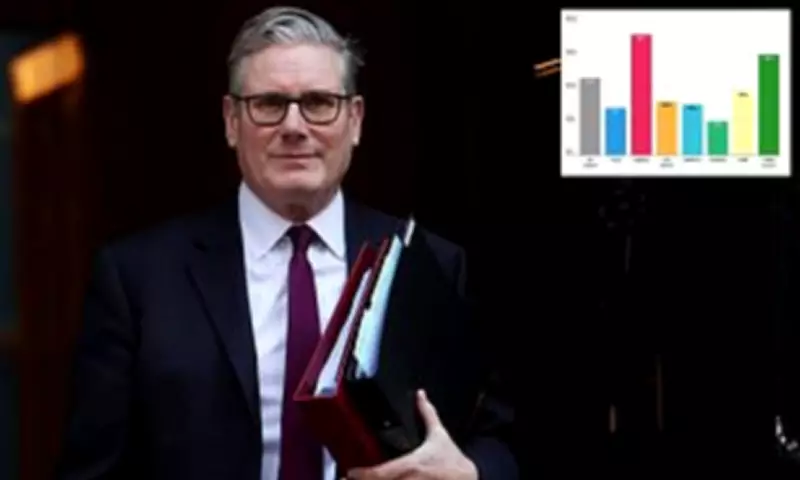
The research reveals particularly striking figures among supporters of the governing party. More than one in three individuals who backed Labour at the general election – specifically 36 per cent – now say they voted the wrong way. This contrasts sharply with supporters of other major political parties.
Only 14 per cent of those who voted Conservative express similar regret, while 15 per cent of Reform UK voters and 16 per cent of Liberal Democrat voters report feeling the same way about their electoral choice. Despite these figures, the majority of voters remain confident in their decision, with seven in ten – 71 per cent – asserting they made the correct choice at the ballot box.

Rising Regret Among Reform UK Voters Signals Shifting Sentiment
The latest polling data, commissioned by the Institute of Research and Reforms International, shows results largely consistent with previous research conducted in November of last year. However, one notable exception emerges among supporters of Reform UK, where signs of increasing regret are becoming apparent.
Since November, there has been a substantial 11 percentage point increase in the number of Reform voters who believe they made an incorrect decision by backing Nigel Farage's party in July 2024. This growing discontent suggests shifting political allegiances and reconsideration among certain voter segments.
Widespread Economic Gloom and Distrust in Political Leadership
The Savanta poll also paints a bleak picture of public sentiment regarding the United Kingdom's economic situation and the capability of politicians to address pressing financial concerns. More than half of respondents – 57 per cent – report that their household finances have deteriorated compared to two years ago.
Amid ongoing international tensions, including the Iran crisis which has driven energy prices upward, a substantial 69 per cent of voters believe the cost of living is unlikely to improve significantly within the next year. This economic pessimism is coupled with deep-seated distrust toward political representatives.
An overwhelming 76 per cent of those surveyed agree that politicians remain out of touch with the financial pressures confronting ordinary households. The same proportion believe the cost-of-living crisis reflects deeper structural problems within the UK economy, while 74 per cent agree that successive governments have failed to address the underlying causes of this ongoing financial strain.
Age Divisions Reveal Generational Differences in Economic Outlook
The research highlights significant generational divides in economic perception. Voters aged 55 and over demonstrate substantially more pessimism about the UK economy compared to their younger counterparts.
For instance, 83 per cent of over-55s agree that the cost-of-living crisis indicates deeper structural economic problems, whereas only 63 per cent of those aged 18-34 share this viewpoint. This twenty percentage point gap underscores how different age groups experience and interpret economic challenges.
Expert Analysis Points to Erosion of Political and Economic Confidence
Ali Rehman Malik, chairman of IRR International, provided commentary on the poll findings, stating: 'These findings suggest not simply dissatisfaction, but a gradual erosion of confidence in both political representation and economic direction.'
Malik continued: 'While a majority of voters still stand by their 2024 decision, the level and distribution of regret point to growing strain within the electorate. What is particularly striking is the consistency of the economic sentiment. The cost-of-living crisis is widely understood not as a temporary pressure, but as a reflection of deeper structural issues within the UK economy.'

The chairman further explained: 'In this context, restoring public trust will depend not only on policy outcomes, but on whether there is a clear, coherent and credible approach to addressing the underlying pressures facing households. It is also important to recognise that voter regret is not uniform in meaning. Higher levels of regret among governing party voters often reflect the realities of incumbency, where expectations are tested against delivery.'
The Savanta survey collected responses from 2,227 UK adults through online methodology between 13 and 16 March, providing a robust snapshot of current voter sentiment and economic outlook across the nation.