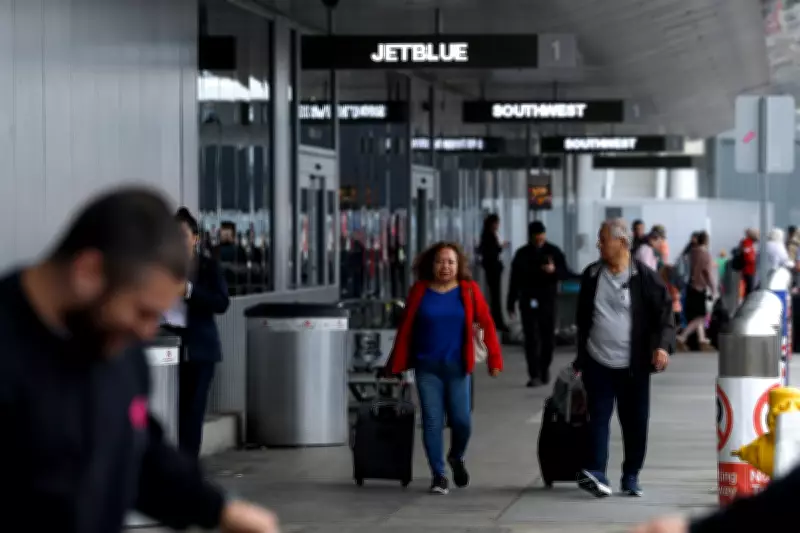
United Airlines has become the latest major carrier to implement an immediate increase in checked baggage fees, joining JetBlue in responding to skyrocketing fuel prices driven by ongoing conflict in the Middle East. The move marks the first baggage fee hike from United in two years and reflects broader industry pressures as airlines grapple with surging operational expenses.
Immediate Fee Increases for Travelers
Effective Friday, April 3, 2026, most United Airlines customers will now pay $10 more to check their luggage. According to the airline's updated website, passengers traveling within the United States, Mexico, Canada, and Latin America will face new rates of $45 for their first checked bag and $55 for their second bag. For tickets purchased on or after April 3, third checked bag fees will increase by $50 in most markets.
"This is the first time in two years the airline has raised bag fees," United confirmed in an official statement. The airline noted that customers who check bags less than 24 hours before departure will incur an additional $5 charge.

Exceptions and Premium Benefits
Despite the widespread increases, certain passenger groups will continue to receive a free first checked bag. These exceptions include co-branded credit card holders, specific loyalty-tier members, active military personnel, and travelers booked in premium cabins. United emphasized that these policies help maintain customer loyalty while addressing financial pressures.
Fuel Price Crisis Driving Changes
The fee adjustments come as global oil supplies face severe disruption due to Middle East conflicts, particularly affecting the strategic Strait of Hormuz where approximately one-fifth of the world's oil typically transits. This disruption has caused crude oil prices to fluctuate dramatically, directly impacting airline fuel costs since jet fuel is refined from crude oil.
According to data from Argus Media, the average price for a gallon of jet fuel in major U.S. hubs including Chicago, Houston, Los Angeles, and New York reached $4.88 on Thursday, representing a near-doubling from the $2.50 average before conflict escalation on February 28. The energy market intelligence company's U.S. Jet Fuel Index tracks these critical pricing benchmarks across primary transportation centers.
Industry-Wide Financial Pressure
Speaking to investors at a recent conference, United CEO Scott Kirby revealed that higher jet fuel costs had already added approximately $400 million to the airline's operating expenses. Similar figures were reported by Delta Air Lines and American Airlines executives, indicating an industry-wide challenge.
Fuel typically represents the second largest expense for airlines after labor costs. Industry analysts anticipate that U.S. carriers will continue passing these increased costs to travelers through higher add-on fees or ticket adjustments, since they generally avoid implementing direct fuel surcharges unlike many non-U.S. carriers that have already adopted such measures.
Competitive Landscape and Strategy
United's move follows JetBlue's decision earlier this week to raise checked baggage fees by up to $9 during peak travel periods. JetBlue explained that charging more for optional services used by select customers helps maintain competitive base fares. Like United, JetBlue will continue offering complimentary first checked bags to certain customer segments.
This strategic approach allows airlines to balance revenue generation with customer retention, particularly as travelers become increasingly sensitive to overall travel costs. The fee adjustments represent a targeted response to extraordinary market conditions rather than blanket price increases across all service aspects.
As global energy markets remain volatile and geopolitical tensions persist, airlines face continued pressure to adapt their pricing structures. The current baggage fee increases signal a broader trend of airlines seeking innovative ways to manage costs while maintaining service quality and competitive positioning in an increasingly challenging operational environment.