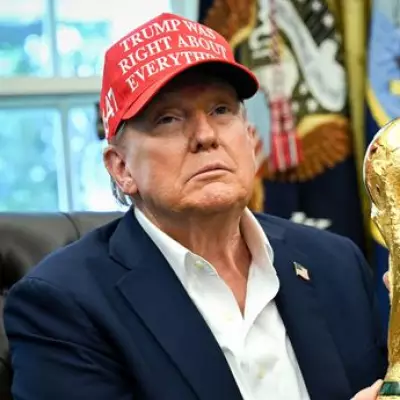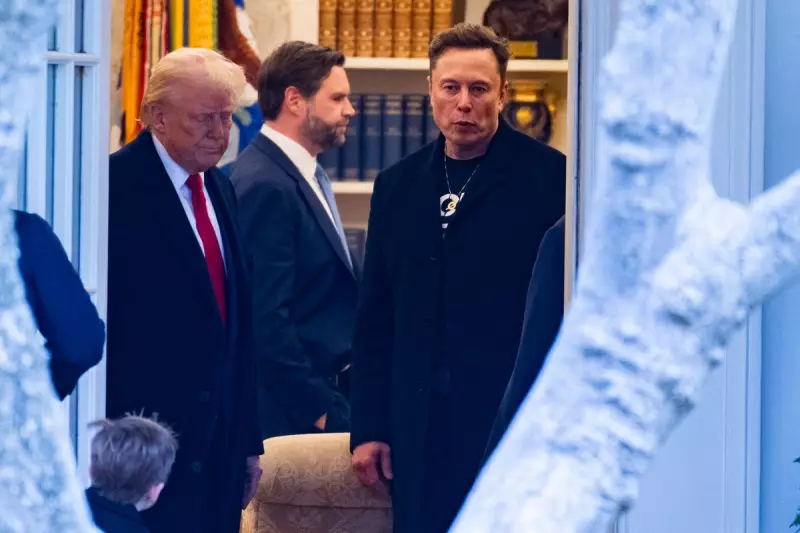
Vice President JD Vance played a pivotal behind-the-scenes role in repairing the fractured relationship between President Donald Trump and billionaire Elon Musk, according to a new report. The delicate peace, brokered after a fiery public falling out in the summer of 2025, has significant implications for the future of the Republican Party and the 2028 presidential race.
The Rift and the Kingmaker's Threat
Following Trump's inauguration in January 2025, Musk quickly became a powerful figure, leading a drive for government efficiency. However, the alliance soured within months as Musk clashed with Congress and administration officials. The situation reached a breaking point in early June. After learning that Musk's preferred NASA chief, Jared Isaacman, had donated to Democrats, President Trump pulled the nomination. Musk retaliated online, attacking Trump's legislative agenda.
The conflict escalated publicly. The SpaceX CEO accused Trump of being in government files related to Jeffrey Epstein and vowed to start a new "America Party." Trump retorted that Musk had "gone off the rails." This threat of a third party, backed by Musk's vast wealth and influence, sent alarm through Trump's political base, risking a split in the Republican vote.

Vance's Covert Diplomacy
Vance, leveraging his close personal friendship and shared tech-worldview with Musk, stepped in to mediate. He did not confront Musk directly but worked the phones, communicating with the billionaire's associates to understand his grievances. It became clear Musk's threats were serious. "Whenever Elon talks, there are only two possibilities," one associate told The Washington Post. "He's either telling you what he wants you to do... or what he is going to do."
Vance had a personal stake in the outcome: winning back Musk's support was seen as crucial for supercharging his own path to the Republican nomination in 2028. He began lobbying the White House and senators to address Musk's core complaints, facing pushback from some officials like Transportation Secretary Sean Duffy.
A Fragile Truce and Future Kingmaking
Several factors ultimately persuaded Musk to stand down. His inner circle was sceptical of a third-party bid's success. Furthermore, the assassination of conservative activist Charlie Kirk in September galvanised Musk to re-engage with Republican politics. Vance's backchannel efforts also bore fruit.
The White House reassigned aide Sergio Gor, who had delivered the news about Isaacman, to an overseas posting. Vance also successfully revived Isaacman's NASA nomination. By November, Musk was back at White House dinners, signalling a reconciliation.
However, sources from both camps caution that the peace remains "fragile." Despite this, Vance's standing with Musk appears solid. In a December interview, Musk predicted Vance would succeed Trump and serve two terms as president. "He enjoys kind of that kingmaker role," a source said of Musk. "Part of being a kingmaker is making sure everybody in the world knows you're the king." This mended relationship positions Vance as a formidable potential heir, with one of the world's most influential figures potentially in his corner for the 2028 contest.