200,000 International Adoptees Face Deportation Threat in US
As many as 200,000 individuals adopted from overseas by American parents are now at serious risk of detention or deportation under the Trump administration's immigration policies, according to legal experts. These international adoptees have spent most of their lives in the United States but never obtained formal citizenship, leaving them vulnerable to enforcement actions.
A Lifetime in America Without Legal Status
Over the past eight decades, American families have adopted more than 500,000 children from abroad. However, many parents failed to complete the citizenship process for their children, creating a hidden population of tens of thousands who lack legal status despite being raised as Americans. "Most immigrants know from the very beginning what they have to do to gain legal status, but many adoptees have never questioned whether or not they have it, until now," explained Minnesota-based family law attorney Mónica Dooner Lindgren in a recent New York Times report.
Gregory Luce, an immigration lawyer who leads the Minneapolis nonprofit Adoptees United, estimates approximately 200,000 foreign-born adoptees grew up without US citizenship. Many only discover their precarious situation when applying for passports or Social Security benefits. "Naturalization in this environment is much harder and much riskier," Luce told The New York Times. "Most people are super scared, and the hard question for me is always, what should they do? Naturalize, renew a green card, do nothing?"

Enforcement Surge Targets All Foreign-Born Individuals
The Trump administration's immigration enforcement surge has reportedly been targeting "all people of color" without discrimination between different categories of foreign-born individuals, according to Lindgren. This approach has been particularly concerning in states like Minnesota, which has one of the highest rates of international adoption in the nation.
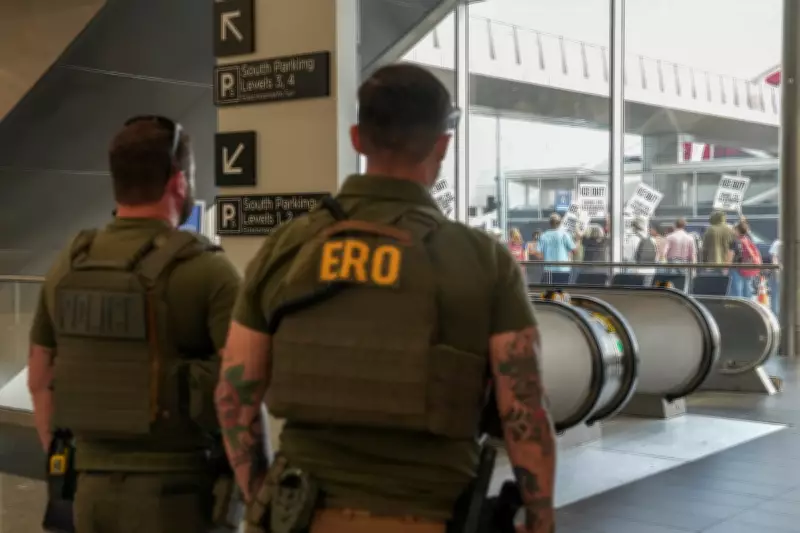
Recent months have seen Immigration and Customs Enforcement (ICE) agents deployed to more than a dozen airports across the country amid ongoing congressional battles over the agency's expanding budget. Democrats have refused to approve additional funding for the Department of Homeland Security unless it prohibits agents from wearing masks during operations and conducting warrantless home raids.
Legal Loopholes and Legislative Efforts
Congress has attempted to address adoptee citizenship issues in the past but often left significant gaps. A 2001 law granting automatic citizenship to adoptees under 18 excluded up to 75,000 individuals who were older when the legislation took effect. In September, a bipartisan bill called the Protect Adoptees and American Families Act was introduced in the House of Representatives to provide automatic citizenship to all international adoptees, though its passage remains uncertain.
The White House has recently softened its rhetoric regarding mass deportations, but whether this will translate to meaningful changes in enforcement practices remains unclear. Federal judges have ruled more than 7,000 times that Trump administration immigration agents illegally detained individuals, with government lawyers frequently failing to present counter-arguments.
Widespread Fear Among Adoptee Community
Many adoptees without citizenship are reportedly afraid to apply for it even if eligible, fearing that doing so might draw attention from immigration authorities. "The Department of State website says that a US valid passport is sufficient to prove citizenship, but that is not preventing agents from detaining adoptees," noted Lindgren. This has created a climate of fear within the international adoptee community, with many terrified of being caught up in what they perceive as a "mass deportation campaign" under the Trump administration.
The situation highlights the complex intersection of immigration policy, family law, and human rights, affecting individuals who have known no home but America yet lack the legal protections of citizenship.