For most parents, registering a child's birth is a simple, joyful formality. For hundreds of thousands of children born in the UK to parents without settled status, however, the path to citizenship is a labyrinth of bureaucracy, cost, and profound uncertainty—a reality that could worsen under proposed immigration reforms.
A Life Built on a Shattered Assumption
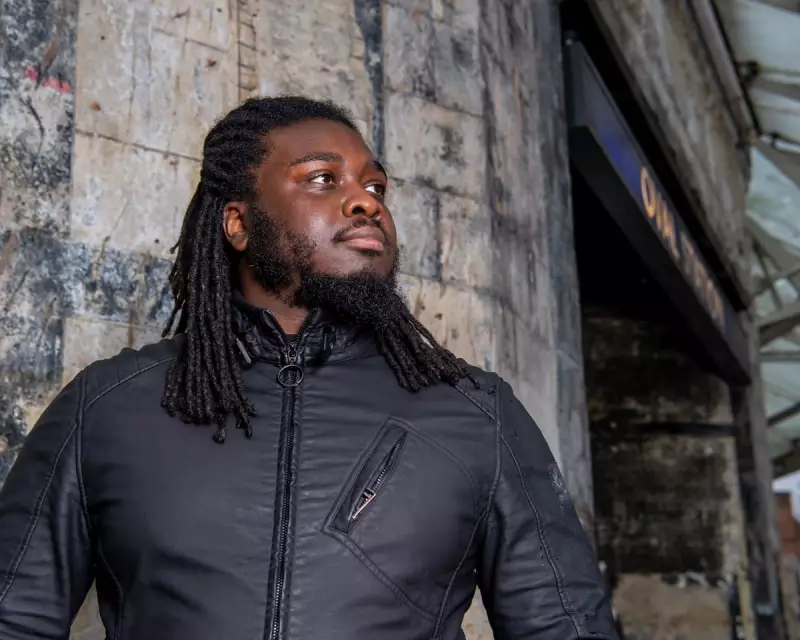
Olu Sowemimo's story is a stark illustration of this hidden crisis. Born in 1991 at St Guy's Hospital in London, he grew up in Kennington believing unquestioningly in his British identity. His life followed a typical London trajectory until adolescence, when he was groomed into a county lines gang at age 13. Arrested at 16 in his school uniform, he was imprisoned, a moment he describes as the beginning of the system's failure to recognise his vulnerability.
Upon his release at age 20, determined to rebuild his life and help others, Sowemimo applied for a passport. The rejection was a devastating shock. "I found out that technically I wasn't British," he recalls. The news shattered his mother, who had migrated from Nigeria and later obtained settled status and citizenship for herself and Olu's older brother. She had assumed her UK-born son was automatically a citizen.
The Crushing Weight of 'Limbo'
Contrary to popular belief, the UK does not have birthright citizenship. A child's status depends entirely on their parents' immigration position at the time of birth. Sowemimo's mother held a visa, not permanent residency, when he was born, placing him outside automatic citizenship.
This revelation warped his sense of self. "I slowly started to see myself differently from everybody else," he explains. A constant, gnawing fear took hold. "Every day I'm coming into work... I'm constantly thinking, could today be the day I am detained and deported?" His terror was rational; he knew of UK-born individuals held in immigration removal centres.
Seeking legal help proved frustrating, with solicitors often as confused as he was. Hope arrived with Solange Valdez-Symonds, supervising solicitor and CEO of the Project for the Registration of Children as British Citizens (PRCBC).
The 'Good Character' Barrier and a 15-Year Fight
PRCBC campaigns around a key legal provision: children born in the UK who live here for 10 years and are of "good character" have a right to be registered as British citizens. Many, like Sowemimo, are unaware they should have been registered at age 10. The process costs £1,214, though fee waivers now exist for some.
The major obstacle is the "good character" test. PRCBC has long criticised its application, noting that hundreds of vulnerable, UK-born children have been denied citizenship for minor infractions like petty theft, or even just cautions. The Home Office amended its guidance in 2019, but campaigners say little has changed, with officials failing to distinguish between child applicants with a right to register and adult migrants applying to naturalise.
Sowemimo's application was initially rejected based on his past offence. Valdez-Symonds and PRCBC mounted a vigorous challenge, documenting his extensive youth work and rehabilitation. The emotional toll was immense. "I had to keep explaining to people that I am not making this up... You feel isolated," Sowemimo says. "I know I belong here... but I had to keep proving and proving and proving it."
Finally, in 2024 at age 32, he received the email confirming his citizenship was approved. The relief was mixed with anger. "Why did I have to wait until I was a grown man to find out I was British?" he asks. He promptly booked his first-ever flight—to Fiji—cementing the freedom his new passport afforded.
A Warning for the Future
While Sowemimo's personal battle is over, his case highlights systemic issues that could affect more children. The Labour government has proposed doubling the lawful residence requirement for settlement from five to ten years for many migrants. Campaigners warn this will significantly increase the number of children growing up without citizenship, locked out of the security granted to others at birth.
Sowemimo's message to policymakers is direct: "These policies are forcing people to really second guess who they are. You're alienating us... It is horrible to have the fear of being deported to a country we had never stepped foot in."
Asked if he now feels British, he is reflective. The passport is a tangible reminder, but the memory of his ordeal lingers. He occasionally faces online comments denying his Britishness. "I know who I am," he states. "It's such a shame I needed a little book to confirm that to me. But at this point, I am British. No matter what anybody tells me."