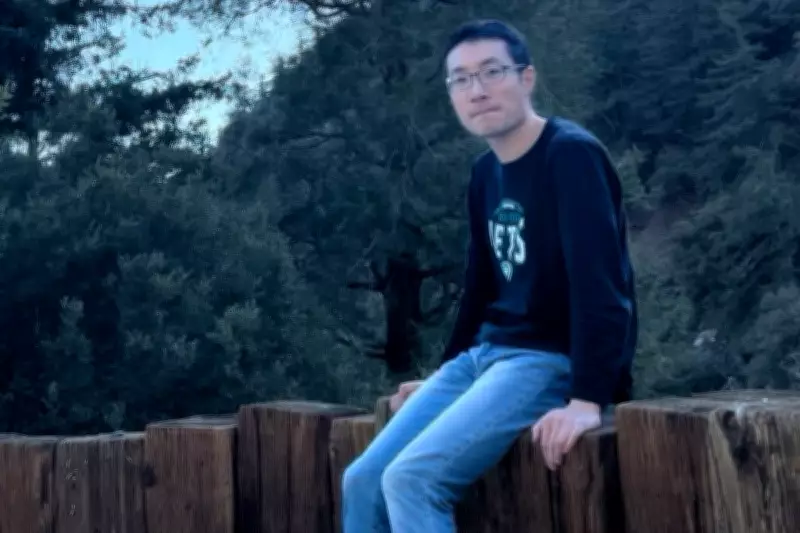
In a significant ruling that underscores ongoing international concerns about human rights in China, a United States immigration judge has granted asylum to a Chinese national who exposed alleged abuses in his homeland. Guan Heng, aged 38, received the decision on Wednesday 28 January 2026, after a hearing in Napanoch, New York, where Judge Charles Ouslander found he had a "well founded fear" of persecution if deported back to China.
From Secret Filming to Asylum Seekers
Guan Heng's journey to asylum began in 2020 when he secretly filmed detention facilities in Xinjiang, a region in northwest China. This footage added to existing evidence that activists claim documents widespread rights abuses targeting ethnic minorities, particularly the Uyghur population. Estimates suggest up to 1 million individuals have been detained in the area under controversial government programmes.
Speaking through a translator via video link from the Broome County Correctional Facility, Guan told the court, "I sympathized with the Uyghurs who were persecuted." He emphasised that his intention was not to create grounds for an asylum application but to highlight the plight of those affected. In a recent interview with The Associated Press, Guan explained he knew leaving China was necessary to publish the footage safely.
A Perilous Escape Route
After filming, Guan first travelled to Hong Kong, then to Ecuador—where Chinese tourists could visit visa-free—and onward to the Bahamas. He released most of his video material on YouTube before undertaking a hazardous boat journey to Florida in October 2021. Guan admitted to the judge that he was uncertain whether he would survive the voyage and wanted to ensure the footage reached a global audience.
Following the video's publication, Chinese police questioned his father on three separate occasions, according to Guan's testimony. This familial pressure underscored the risks he faced, with Judge Ouslander noting the Chinese government had inquired about Guan's whereabouts and past activities, validating fears of retaliation.
Legal and Political Hurdles
Guan applied for asylum after arriving illegally in the US in 2021. His case encountered multiple obstacles, including custody since August as part of a mass deportation campaign under the Trump administration. Initially, the Department of Homeland Security attempted to deport him to Uganda, but abandoned the plan in December after public outcry and congressional attention.
During the hearing, Guan was asked if his actions were strategically timed to support his asylum claim. He firmly denied this, stating his primary motivation was humanitarian. His lawyer, Chen Chuangchuang, argued in closing that the case represents a "textbook example of why asylum should exist," asserting the US has both "moral and legal responsibility" to protect Guan.
Rare Success in a Tough Climate
Judge Ouslander ruled that Guan was a credible witness and met the legal criteria for asylum, a decision that becomes increasingly rare under the current political landscape. Since President Donald Trump returned to office, asylum approval rates have plummeted. Data from Mobile Pathways, a California-based nonprofit, shows the rate dropped to 10% in 2025, down from an average of 28% between 2010 and 2024.
Despite the favourable ruling, Guan was not immediately released. The Department of Homeland Security's lawyer indicated the department reserves the right to appeal within 30 days. Judge Ouslander urged a prompt decision, highlighting Guan's detention of approximately five months already.
Broader Implications and Denials
The Chinese government has consistently denied allegations of rights abuses in Xinjiang, describing its programmes as vocational training aimed at imparting employable skills and countering radical ideologies. Dissenting views are often suppressed through coercive measures, according to critics.
This case not only highlights individual bravery but also reflects broader tensions in US immigration policy and international human rights advocacy. As Guan awaits potential release, his story serves as a poignant reminder of the challenges faced by those fleeing persecution in an era of tightening asylum regulations.