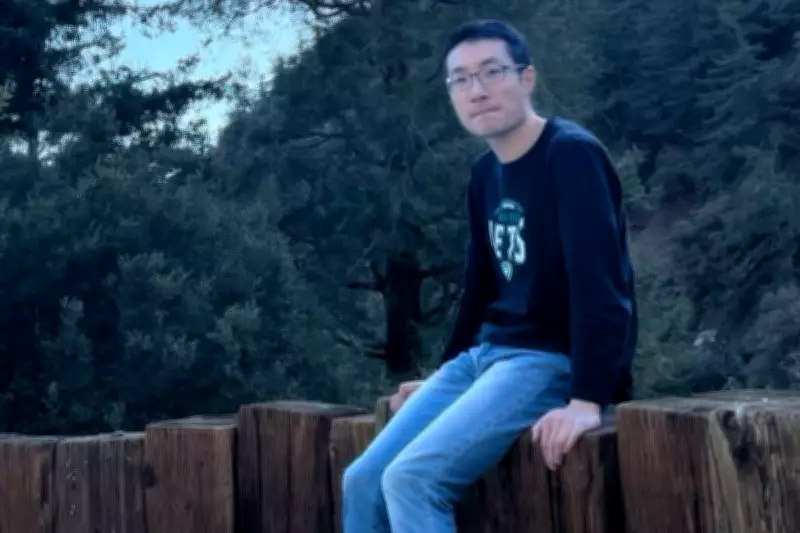
A Chinese national who covertly documented human rights violations in China's Xinjiang region has been granted political asylum in the United States, following a judicial determination that he possessed a legitimate and well-founded fear of persecution should he be returned to his homeland.
From secret filming to asylum hearing
Guan Heng, aged 38, initially applied for asylum after entering the United States without authorisation in 2021. He has remained in immigration custody since August, when he was apprehended during a large-scale enforcement operation initiated under the Trump administration's deportation policies.
The Department of Homeland Security had originally pursued plans to deport Mr Guan to Uganda. However, this strategy was abandoned in December following mounting public concern over his situation and subsequent attention from lawmakers on Capitol Hill.
Documenting the camps
In 2020, Guan Heng undertook the dangerous mission of secretly filming inside detention facilities located in Xinjiang. His footage contributed to the growing body of evidence that activists and international observers cite when alleging widespread human rights abuses in the region.
It is estimated that up to one million members of ethnic minority groups, predominantly Uyghurs, have been detained within these facilities. The Chinese government consistently refutes these allegations, maintaining that the centres are vocational training programmes designed to impart employable skills and combat extremist ideologies.
A perilous journey to publication
During a recent hearing conducted via video link from the Broome County Correctional Facility in Napanoch, New York, Mr Guan explained his motivations to the court. Through a translator, he stated, "I sympathised with the Uyghurs who were persecuted." He firmly denied that his actions were calculated to create grounds for an asylum application.
Understanding that publishing the footage would necessitate leaving China, Mr Guan first travelled to Hong Kong. He then journeyed to Ecuador—a destination accessible to Chinese tourists without a visa—before moving on to the Bahamas. In October 2021, he released the majority of his video evidence on YouTube, just prior to embarking on a hazardous boat trip to Florida.
"I didn't know whether I would survive the boat trip and wanted to make sure the footage would be seen," Mr Guan told the presiding judge. He further revealed that after the video's publication, Chinese police interrogated his father on three separate occasions.
A landmark ruling
Judge Charles Ouslander, in delivering his ruling, informed Mr Guan that the court found him to be a credible witness and that he had successfully met the legal criteria for asylum. The judge concurred with Mr Guan's fears of retaliation if repatriated, specifically noting the Chinese government's inquiries into his family and his own past activities.
Chen Chuangchuang, Mr Guan's legal representative, characterised the case in his closing statement as a "textbook example of why asylum should exist." He argued that the United States bears both a moral and legal responsibility to provide sanctuary in such instances.
A rare success in a restrictive era
This decision represents an increasingly uncommon victory for an asylum seeker since the return of former President Donald Trump to office. Federal data compiled by the California-based nonprofit Mobile Pathways indicates a sharp decline in asylum approval rates.
The approval rate plummeted to just 10 percent in 2025, a significant drop from the 28 percent average recorded between 2010 and 2024. Mobile Pathways specialises in assisting immigrants as they navigate the complexities of the US legal system.
Despite the favourable ruling, Mr Guan was not released from custody immediately. The lawyer representing the Department of Homeland Security indicated the department reserves the right to appeal the decision, a process for which they have a 30-day window.
Judge Ouslander urged the DHS to reach a prompt decision, emphasising that Mr Guan has already endured approximately five months in detention. The case continues to highlight the intense international scrutiny and diplomatic tensions surrounding allegations of human rights violations in Xinjiang.