
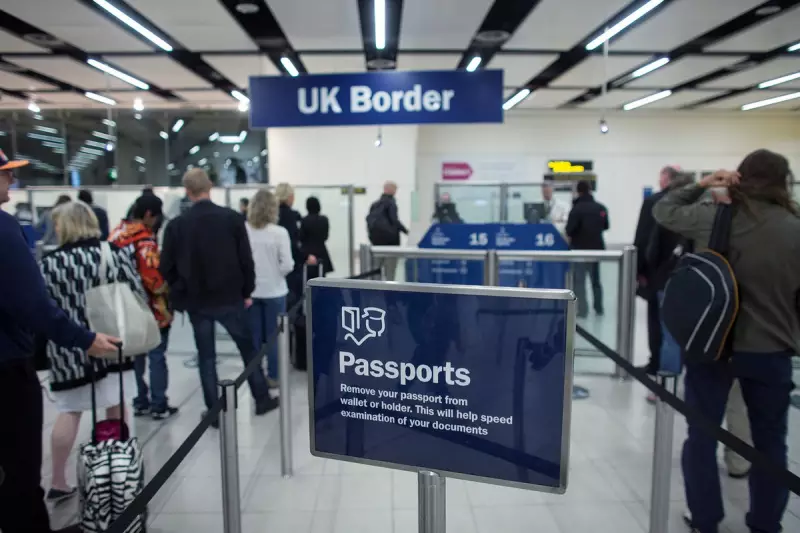
British citizens who hold dual nationality could be turned away at the border if they attempt to return home without a valid UK passport, under a significant rule change taking effect next month.
What Are The New Entry Rules?
From 25 February 2026, all dual British citizens arriving in the UK must present either a current British passport or a certificate of entitlement to prove their right of abode. This marks a decisive shift from previous, more flexible arrangements where individuals could use alternative passports and supporting documents to confirm their status.
The change is part of the wider rollout of the Home Office's Electronic Travel Authorisation (ETA) scheme. While British and Irish citizens are exempt from needing an ETA, the digitisation of the immigration system means carriers now require a definitive, pre-checked document to confirm exemption status before travel.
Who Is Affected And What Are The Costs?
The new requirement applies to all British dual citizens living or travelling overseas, including those residing in EU nations. Those travelling on or before 24 February can still enter using a valid non-British passport, but the rules tighten immediately after that date.
For those needing to obtain a passport, the cost is a significant factor. A standard adult British passport is priced at £94.50, with applications from abroad often costing slightly more. An Irish passport, which also satisfies the requirement, costs €75. The alternative, a certificate of entitlement placed in a foreign passport, carries a much heftier fee of £589.
Why Is This Change Being Implemented?
A House of Commons briefing paper clarified the rationale, noting that while there is no absolute legal mandate for British citizens to travel on a British passport, practical pre-departure checks make it exceedingly difficult to board without one. The Home Office has advised dual nationals to use a UK passport for many months but is now moving to strict enforcement.
"Carriers are unlikely to deviate from the guidance because they can be penalised for bringing inadequately documented passengers to the UK," the briefing stated, explaining why documents like expired passports or naturalisation certificates are no longer sufficient for boarding.
A Home Office spokesperson said the ETA system ensures a more seamless travel experience for millions while strengthening border security. "ETAs also give us greater power to stop those who pose a threat from setting foot in the country and gives us a fuller picture of immigration," the spokesperson added.
Dual citizens are now urged to check their documentation urgently to avoid being refused entry or facing delays when the new rules take full effect on 25 February.