Failed Asylum Seeker Faces Jail for Fake Dynamite Hoax at MI5 Headquarters
Chilling CCTV footage has revealed how a failed asylum seeker sparked a major terrorism alert by leaving a fake stick of dynamite outside the headquarters of MI5 in central London. Brazilian national Julian Valente Pereira, 32, staged the protest at Thames House, the secret services base, just one day after being informed he would be deported from the United Kingdom.
Court Proceedings and Sentencing
At Westminster Magistrates Court, Chief Magistrate Paul Goldspring ruled that the offence was too serious to be handled in the magistrates court, where sentencing powers are limited to 12-month jail terms. Pereira has been remanded in custody and will be sentenced at the Old Bailey on a date to be set. The judge noted that Pereira's actions on New Year's Day diverted critical police resources away from London's parade, and he deliberately targeted MI5, heightening the severity of the incident.
"His culpability is diminished by his mental health, but it's the diversion of resources and the building chosen that are significant," the judge stated. "If I was sitting in the Crown Court, I would be looking at a sentence of about 18 months, which might be suspended, and I don't see how I can sentence today."

Details of the Incident
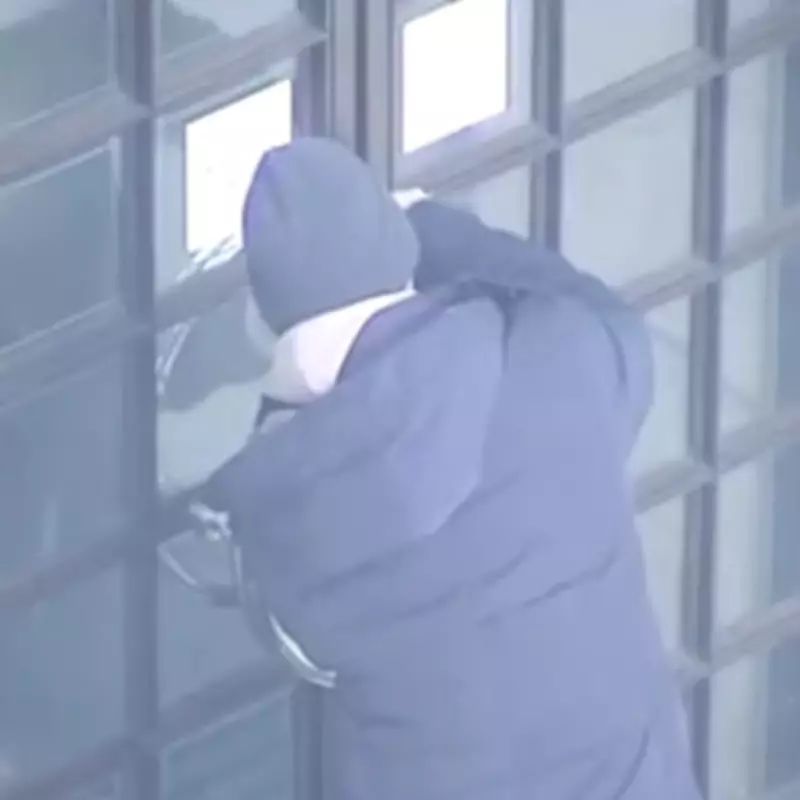
The incident occurred on January 1, when Pereira approached Thames House in Millbank. CCTV footage shows him attempting to open the locked doors before stuffing paperwork related to his immigration case through them. He then retrieved an object from his bag, which he initially threw on the pavement. The CCTV operator zoomed in to reveal what appeared to be a fuse hanging from a brown cylinder.
Pereira is seen moving the object and propping it against the MI5 HQ doors, with a green cigarette lighter positioned nearby. This triggered a terrorism alert, leading to the deployment of a counter-terrorism bomb expert. It was later discovered that the device was a fake, constructed from rolled-up A4 paper, brown masking tape, and string.
Background and Motives
Prosecutor Shannon Revel explained that Pereira admitted to seeking "maximum attention" for his complaints against the Home Office, following a long-running failed bid for asylum. "No-one was going to pay attention to this act if they thought it was masking tape and paper," she said. "The attention he desperately wanted on January 1 is only achieved by the fact that someone believed that object could explode."
Pereira entered the UK with permission to work in July 2018 but has remained illegally since February 2019. After handing himself in to police as an overstayer in October 2020, he sought asylum. His application was refused in 2023, and his final appeal was dismissed on December 31, 2025. His paid-for accommodation was withdrawn on January 9.
Additional Protests and Evidence
During the trial, it emerged that Pereira had also visited Buckingham Palace, where he threw a bag containing a copy of the immigration ruling and a knife stabbed through his ID inside the perimeter gates. In messages read out in court, he told a friend of his plans, writing, "I'm going to Buckingham Palace with a knife and one pen drive," and adding, "All the information is inside the pen drive."
When advised to stop, Pereira responded, "I'm going to try and get attention. I'm going to throw the bag into Buckingham Palace." A note on his phone from August 2025 mentioned "MI5 terrorising people inside hotels" and stated, "I need to see the King." He also expressed intentions to give information to the Archbishop of Canterbury as a precaution.
Legal Outcome and Mental Health Considerations
Despite Pereira's claim that the device would not have been mistaken for an explosive, saying, "The news inside was dynamite," the judge found him guilty of carrying out a bomb hoax. The court concluded that Pereira intended for observers to believe the explosive was real. His mental health was noted as a mitigating factor, but the deliberate choice of target and resource diversion were deemed significant aggravating elements.

Pereira was arrested at an asylum hotel in Uxbridge, west London, where he told officers about his "long and tireless battle with the Home Office." The case highlights the complexities of immigration disputes and the severe consequences of actions that compromise national security protocols.