Religious leaders across the United States are steeling themselves for a profoundly challenging period ahead as they intensify efforts to support and minister to immigrant communities facing heightened anxiety and targeted policies.
Communities in Crisis: Haitians, Afghans, and Somalis Bear the Brunt
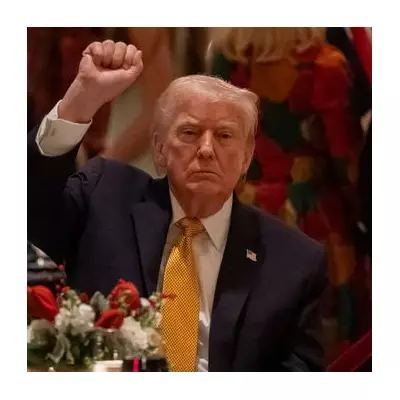
The fears of these faith leaders are crystallising around the hardened rhetoric and policy proposals from President Donald Trump, who has blamed immigrants for issues ranging from crime to housing shortages. In a stark social media post, he demanded "REVERSE MIGRATION." This has left numerous communities in a state of deep apprehension.
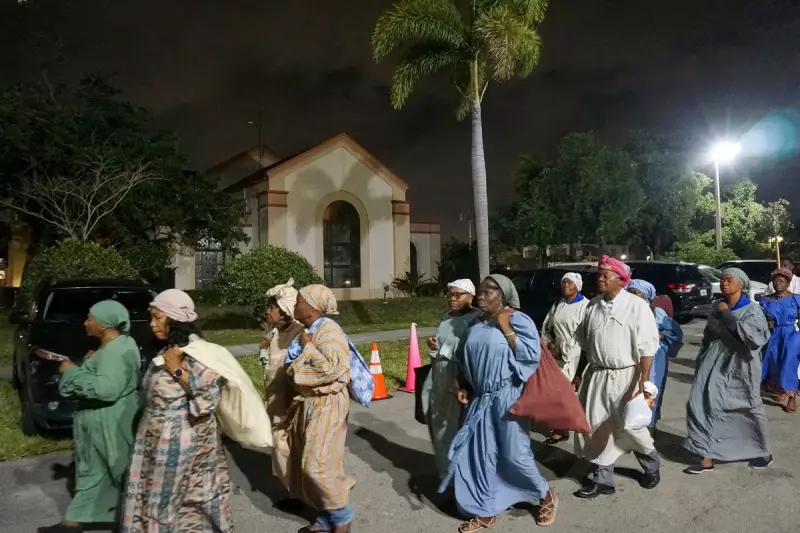
For Haitians residing in places like Springfield, Ohio—a city of about 59,000 where over 15,000 Haitians live—the situation is particularly dire. Many arrived under the Temporary Protected Status (TPS) programme, which expires in early February 2026. Pastor Carl Ruby of Central Christian Church warns of an impending "economic and humanitarian disaster," with legislative solutions appearing unlikely. Faith communities are responding with increased resolve, with more churches pledging to provide sanctuary.
Afghan refugees, many of whom assisted the US military before the Taliban takeover, have been hit hard by the suspension of the US refugee programme. Organisations like Lutheran Social Services of the National Capital Area have seen budgets slashed by 68%, leading to severe staff cuts. CEO Kristyn Peck decried the false narrative tarring all Afghan immigrants as threats following a single suspect's actions.
In Minnesota, leaders of the sizable Somali community have formed a task force to address fallout from fraud scandals, increased immigration enforcement, and Trump's derogatory language. Imam Yusuf Abdulle emphasised the community's resilience and success, despite facing fear and targeted rhetoric.
Faith Institutions Mobilise in Response
In a significant move in mid-November 2025, U.S. Catholic bishops voted overwhelmingly to issue a special message—their first such collective statement in 12 years—decrying developments causing fear among immigrants. The message opposed mass deportations and dehumanising rhetoric.
Similarly, the presiding bishop of the Evangelical Lutheran Church in America, Yehiel Curry, issued a pastoral message thanking congregations for their support amid aggressive enforcement. He pledged to continue heeding "God’s call to show up alongside these neighbours."
International organisations have also voiced strong condemnation. World Relief, a Christian humanitarian agency, criticised policies that insult the global church and abandon allies. The Jewish nonprofit HIAS drew parallels with historical persecution, pledging solidarity with those being targeted.
A Year of Resolve and Sanctuary Ahead
As 2026 approaches, faith leaders are not retreating but rather consolidating their efforts. From providing essential services through volunteers to preparing for political advocacy ahead of the midterm elections, their work is becoming more crucial. The collective message from pulpits, mosques, and synagogues is clear: the commitment to protect and support vulnerable immigrant communities will intensify, even in the face of mounting political pressure.
The road ahead is undeniably tough, but for these leaders, it is a fundamental test of faith in action.